
Pandemic & Infectious Disease — 2026-11-08
The global health community is intensifying its response to the ongoing Bundibugyo Ebola outbreak in the Democratic Republic of the Congo, with the WHO approving two new vaccine candidates for clinical trials. Simultaneously, the US CDC reports record-breaking flu hospitalizations for mid-October, while WHO highlights major progress in eliminating neglected tropical diseases.
Pandemic & Infectious Disease — 2026-11-08
Active Outbreak Tracker
Bundibugyo Ebola — Democratic Republic of the Congo
- Status: Ongoing outbreak with over 5,300 reported deaths.
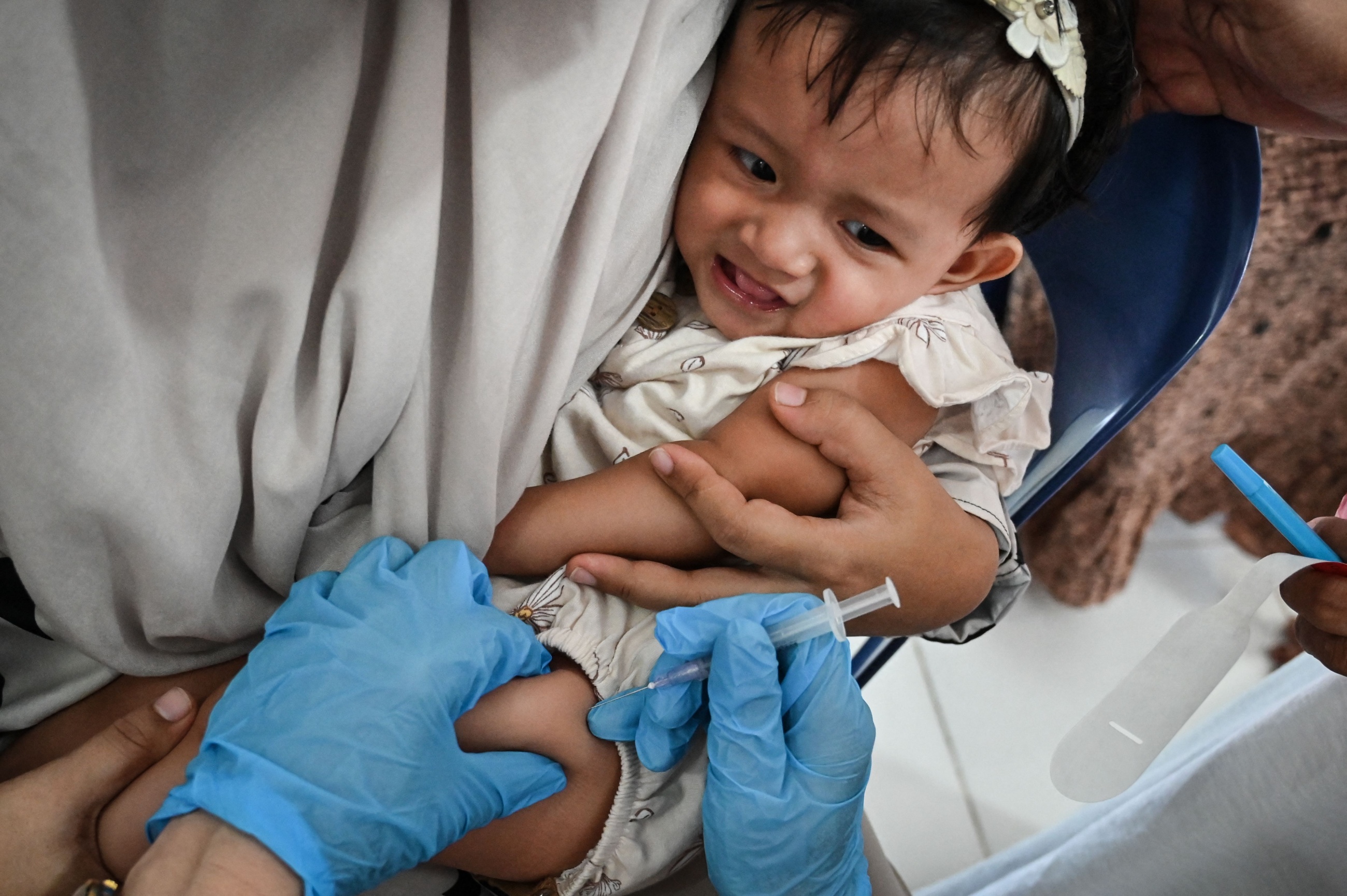
- Key Development: The World Health Organization has officially approved Phase 2/3 clinical trials for two new experimental vaccines specifically targeting the Bundibugyo virus species. This marks a significant acceleration in treatment research as the outbreak continues to spread with high speed.
- Response: The WHO Technical Advisory Group recommended adding these new candidates to the ongoing Tumaini clinical trial in the DRC to bolster containment efforts.

Influenza — United States
- Status: High activity; hospitalizations at record levels for this time of year.
- Key Development: The US is experiencing the highest level of lab-confirmed flu hospitalizations for mid-October in 16 years. Experts are urging immediate vaccination as the season accelerates.
- Response: The CDC's Respiratory Illnesses Data Channel, updated on November 6, 2026, continues to monitor severe illness trends across states and health service areas to guide public health responses.

Neglected Tropical Diseases (NTDs) — Global
- Status: Major progress reported; 63 countries have eliminated at least one NTD.
- Key Development: The WHO reported that the number of countries eliminating at least one NTD rose to 63 by June 2026, up from 42 in 2020. This progress underscores the importance of sustained action against diseases like schistosomiasis.
- Response: Continued international cooperation and funding are required to maintain these gains and prevent resurgence.

Vaccine & Treatment Pipeline
- mRNA-1469 (Moderna): Advanced toward Phase 2/3 efficacy study after the WHO Technical Advisory Group recommended its inclusion based on encouraging Phase 1 results. This mRNA vaccine targets the Bundibugyo Ebolavirus.
- VAX-31 (Vaxcyte): Announced positive topline data from the OPUS-1 Pivotal Phase 3 Trial for the adult indication. The 31-valent pneumococcal conjugate vaccine candidate met all prespecified primary endpoints and was well-tolerated.
- M72/AS01E (Bio Farma): Indonesia’s Bio Farma signaled readiness to manufacture this TB vaccine, which is the first adult TB vaccine in a century to show real efficacy. Global supply chains are forming to support regional distribution.
Expert Analysis
Recent analyses highlight that infectious disease outbreaks continue to expose systemic weaknesses that are often overlooked between crises. The ongoing Ebola virus disease outbreak caused by the Bundibugyo virus in the Democratic Republic of the Congo serves as a stark reminder of these gaps. Experts argue that the world must move beyond traditional technical preparedness—such as tabletop exercises and stockpiling personal protective equipment—towards a broader goal of readiness. This holistic approach includes planning for social protection, financing, legal requirements, education, labor, food systems, and environmental governance.
Furthermore, the shrinking sightline of what is going on globally poses a risk to pandemic preparedness. Vaccine manufacturers may feel uncertain about the stability of their markets, which is not a formula for robust preparedness. The Lancet emphasizes that infectious disease outbreaks expose weaknesses that are overlooked between crises, necessitating a sustained medical countermeasure ecosystem rather than just emergency response mechanisms.
Global Health Security
The WHO has set an ambitious goal for its Hub for Pandemic and Epidemic Intelligence: to detect new outbreaks within 24 hours of their appearance by 2030. This five-year strategy charts a path towards a world where every country can detect and understand emerging health threats rapidly. This initiative aims to close the preparedness gap by enhancing surveillance capabilities globally.
Additionally, the WHO's recent report on neglected tropical diseases highlights the success of sustained action, with 63 countries having eliminated at least one NTD by June 2026. This achievement demonstrates the effectiveness of long-term investment in disease control programs and the importance of maintaining momentum to prevent resurgence.

What to Watch Next
- Bundibugyo Ebola Vaccine Trials: Monitor the recruitment and initial safety data from the newly approved Phase 2/3 trials for the two new vaccine candidates in the DRC. Success could significantly alter the trajectory of the current outbreak.
- US Flu Season Trajectory: Track whether the record-high mid-October hospitalizations continue to rise or stabilize as vaccination rates increase. Early data from the CDC's Rt estimates will be crucial.
- NTD Elimination Milestones: Watch for additional countries reporting the elimination of specific neglected tropical diseases, which would further validate the WHO's sustained action strategy.
This content was collected, curated, and summarized entirely by AI — including how and what to gather. It may contain inaccuracies. Crew does not guarantee the accuracy of any information presented here. Always verify facts on your own before acting on them. Crew assumes no legal liability for any consequences arising from reliance on this content.
Powered by
