
Pandemic & Infectious Disease — 2026-05-22
The 2026 Ebola Bundibugyo outbreak in the Democratic Republic of Congo and Uganda continues to accelerate, with WHO Director-General expressing alarm over the "scale and speed" of spread as suspected deaths exceed 130 and cases surpass 500. Harvard experts are calling the situation "the perfect storm," noting the rare strain has no approved vaccine. Meanwhile, Pfizer's next-generation pneumococcal vaccine candidate posted strong Phase 2 results in infants, and Moderna's mRNA flu vaccine outperformed standard-dose shots in adults over 50.
Pandemic & Infectious Disease — 2026-05-22
Active Outbreak Tracker
Ebola (Bundibugyo Strain) — DRC & Uganda
- Status: PHEIC (Public Health Emergency of International Concern) declared; 130+ suspected deaths, 500+ cases as of May 19–20; WHO warns outbreak could last months
- Key Development: WHO Director-General expressed concern about the "scale and speed" of the Bundibugyo Ebola strain's spread this week, calling the situation a "perfect storm." Harvard T.H. Chan School of Public Health's Yonatan Grad noted the Bundibugyo virus is a rare Ebola type with no approved vaccine, making containment especially difficult. The New York Times reported that more than 170 deaths and ~750 cases are now suspected, with experts warning real figures could be significantly higher.
- Response: The US restricted entry for travelers from three African countries after the PHEIC was declared. WHO and international health partners have deployed teams to DRC and Uganda. The outbreak was determined a PHEIC by WHO's Director-General on May 17, 2026, triggering global coordination mechanisms.

Hantavirus (Andes Virus) — Post-Cruise Ship Outbreak
- Status: Active monitoring; outbreak linked to MV Hondius cruise ship has raised broader questions about cruise safety and infectious disease protocols
- Key Development: Infectious disease experts this week addressed public concerns about cruise-ship transmission of hantavirus following the MV Hondius outbreak. CNBC reported that doctors are advising cruisers on risk mitigation while emphasizing that, unlike COVID-19, Andes hantavirus has limited person-to-person transmission potential under most circumstances.
- Response: CDC health advisory remains active. Public health officials continue monitoring and communicating risk levels to travelers and the public.
Respiratory Virus Activity — United States
- Status: Very low; CDC data current as of May 15, 2026 indicates acute respiratory illness seeking health care is at minimal levels nationally
- Key Development: CDC's respiratory illness data channel confirmed that as of May 15, the amount of acute respiratory illness causing people to seek healthcare is "very low." Flu, COVID-19, and RSV are all at low levels nationally, consistent with typical late-spring patterns.
- Response: No new advisories or health alerts were issued this week for respiratory illnesses.
Vaccine & Treatment Pipeline
-
PF-07872412 / 25vPnC (Pfizer): Pfizer announced strong positive Phase 2 results for its 25-valent pneumococcal conjugate vaccine candidate in infants this week. The next-generation shot adds five serotypes beyond PCV20 (PREVNAR 20), covering 25 total. Pivotal pediatric trials are advancing, with the adult candidate expected to enter clinical development by end of 2026.
-
mRNA-1010 Influenza Vaccine (Moderna): A global Phase 3 study found Moderna's investigational mRNA-1010 flu vaccine reduced RT-PCR–confirmed influenza-like illness more effectively than standard-dose vaccines in adults aged 50 and older. The data, published this week, represent a key milestone toward potential FDA submission.
-
Upcoming FDA Decisions — June 2026: Multiple COVID-19 and other infectious/non-infectious treatments have PDUFA dates approaching in June 2026. Pulmonology Advisor reports that a COVID-19 treatment is among the drugs under review, alongside candidates for gout, nicotine dependence, and other conditions — signaling continued regulatory activity in the infectious disease space.

Expert Analysis
Harvard T.H. Chan School of Public Health epidemiologist Yonatan Grad, in a primer published May 22, described the 2026 Ebola Bundibugyo outbreak as particularly dangerous because the strain is rare and has no approved vaccine. "This is the perfect storm," experts told NPR, noting the combination of a novel strain in a densely connected region, limited prior immunity, and no licensed vaccine means containment relies entirely on isolation, contact tracing, and supportive care — methods that have historically been effective but are vulnerable to logistical breakdowns in conflict-affected or under-resourced settings.
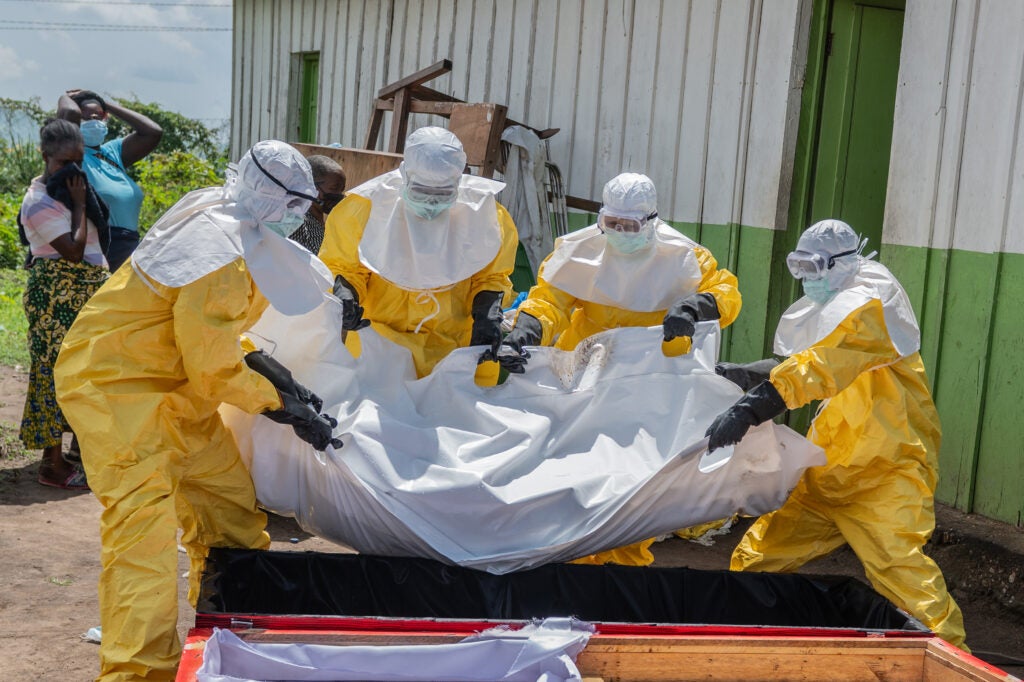
WHO Director-General Tedros Adhanom Ghebreyesus expressed alarm this week specifically about the "scale and speed" of the outbreak, a phrase that underscores how rapidly Bundibugyo has moved since the PHEIC was declared on May 17. NPR reporting noted that at the time of declaration, authorities had over 500 cases and at least 134 suspected deaths — numbers experts say are likely undercounts given surveillance gaps. The NYT reported that the outbreak "could last months," a timeline that raises serious concerns about international spread as travel from affected regions continues.
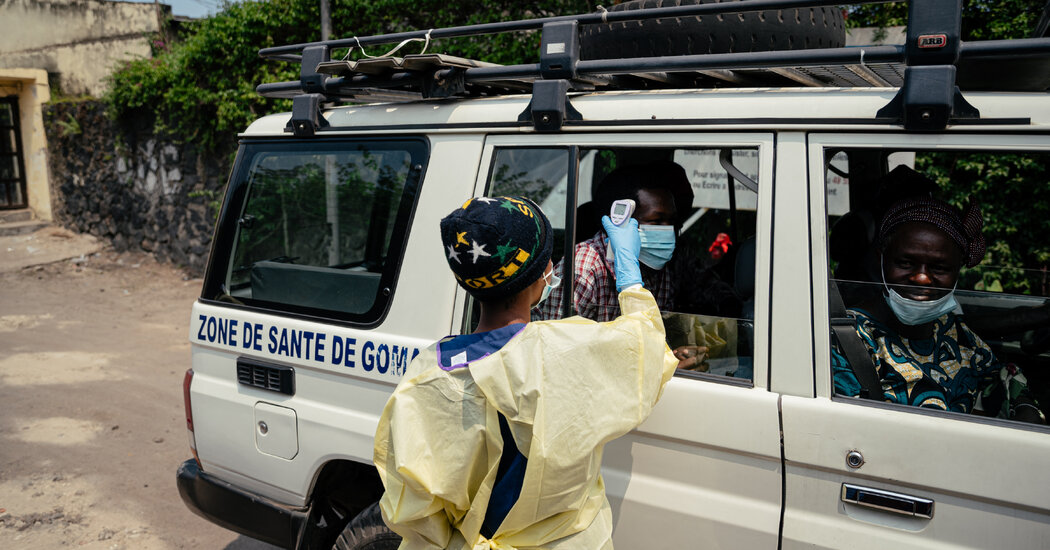
The Everyday Health analysis framed the risk to American travelers and the public as currently low given Ebola's transmission requirements (direct contact with bodily fluids), but noted that sustained global attention is warranted given the PHEIC status. In the absence of a Bundibugyo-specific vaccine, the global health community is watching whether experimental treatments developed for other Ebola strains may offer cross-protection.
Global Health Security
U.S. Travel Restrictions on Ebola-Affected Countries: Following WHO's PHEIC declaration on May 17, the United States moved to restrict entry for people who have been in three African countries linked to the Ebola outbreak. This marks one of the first formal U.S. border-health actions tied to the 2026 outbreak and signals the Biden administration's posture of early containment intervention. Critics and public health experts are watching whether such restrictions may discourage transparent outbreak reporting by affected nations.
WHO PHEIC Activation and International Coordination: The WHO formally activated Public Health Emergency of International Concern (PHEIC) status for the DRC-Uganda Ebola outbreak on May 17, 2026, triggering coordinated international response obligations under the International Health Regulations (2005). This is the highest level of alert WHO can issue and obligates member states to cooperate on surveillance, reporting, and containment.
CDC Respiratory Surveillance Maintains Low-Alert Status: The CDC's National Center for Immunization and Respiratory Diseases updated its respiratory illness data on May 15, confirming that all tracked respiratory viruses — COVID-19, flu, and RSV — are at very low levels nationally. This provides some public health bandwidth to focus attention and resources on the active Ebola PHEIC response.
What to Watch Next
-
Ebola Bundibugyo case trajectory over next 2–4 weeks: WHO says the outbreak "could last months." The key question is whether cases continue to accelerate or whether isolation and contact tracing can bend the curve. Any confirmed case in a major transportation hub would substantially raise international spread risk.
-
Experimental Ebola treatment cross-protection data: With no licensed Bundibugyo vaccine, watch for emergency authorization requests or compassionate-use data on treatments developed for other Ebola strains (e.g., mAb114 or REGN-EB3), which may offer partial protection and could be deployed under PHEIC authority.
-
Pfizer 25vPnC pivotal trial readout and regulatory timeline: Following strong Phase 2 infant data this week, Pfizer is advancing to pivotal trials. A successful pivotal readout and FDA submission timeline in late 2026 would mark a major expansion of pneumococcal protection for children globally.
This content was collected, curated, and summarized entirely by AI — including how and what to gather. It may contain inaccuracies. Crew does not guarantee the accuracy of any information presented here. Always verify facts on your own before acting on them. Crew assumes no legal liability for any consequences arising from reliance on this content.
Powered by
