
Pandemic & Infectious Disease — 2026-10-16
Global health authorities are intensifying efforts to detect outbreaks within 24 hours, while the WHO highlights a resurgence in cholera deaths and ongoing challenges with Ebola and measles. Recent data indicates a rise in respiratory illness activity in the US, and significant new clinical trial results are emerging for infectious disease vaccines.
Pandemic & Infectious Disease — 2026-10-16

Cholera — Global
- Status: High Alert / Rising Mortality
- Key Development: The WHO reports that cholera deaths increased by 30% in 2025, reaching the highest annual number since 1999. In 2025 alone, 47 countries reported over 450,000 cases and nearly 8,000 deaths.
- Response: WHO is monitoring global trends and urging enhanced surveillance and vaccination campaigns in affected regions.
Ebola — DRC and Uganda
- Status: Active Outbreak
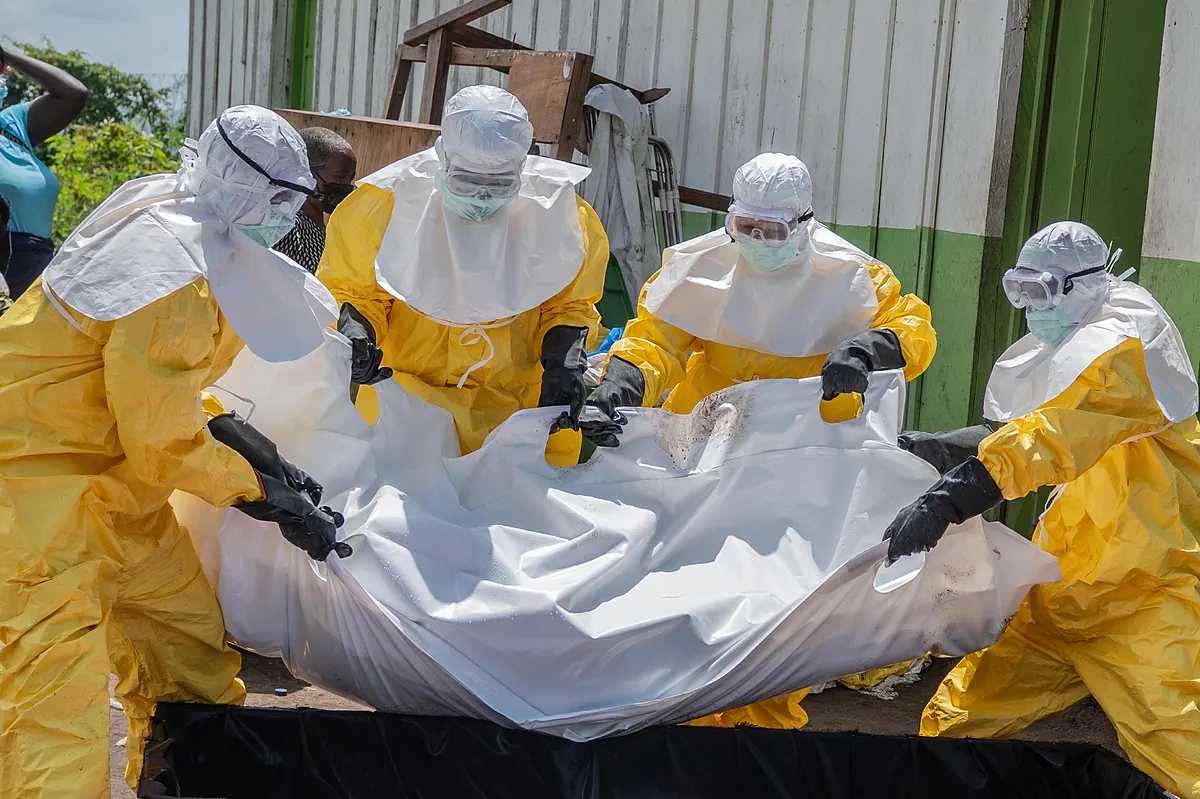
- Key Development: An Ebola disease outbreak is currently affecting the Democratic Republic of the Congo (DRC) and Uganda. Médecins Sans Frontières (MSF) teams are actively working on the ground to stop the spread.
- Response: CDC and MSF are coordinating response efforts, focusing on epidemiology and patient care to contain the outbreak.
Cyclosporiasis — United States
- Status: Multi-State Outbreak
- Key Development: A parasite called Cyclospora is spreading across 17 states, with 145 confirmed cases. The CDC has issued alerts for healthcare workers regarding warning signs and diagnosis.
- Response: CDC is providing guidance to healthcare providers to ensure early detection and response to this foodborne illness.
Vaccine & Treatment Pipeline
- Pfizer Infectious Disease Portfolio (Pfizer): Pfizer is set to present data from more than 50 abstracts at IDWeek 2026 (Oct 21–24), including Phase 3 Lyme vaccine results and RSV studies in older adults and infants. This includes the first RSV vaccine data from nursing homes after three seasons.
- E. Coli Vaccine (Unknown Developer): A promising E. coli vaccine failed in its late-stage trial. While the vaccine generated a sustained immune response, it did not translate into clinical protection against the disease.
- Phase 3 Clinical Trials Watch (Various): Contagion Live highlights several therapeutics and vaccines reporting data or filing for regulatory approval in 2026, indicating a busy pipeline for infectious disease treatments.
Expert Analysis
The global health community is facing a complex landscape where traditional infectious threats are resurging alongside the need for rapid detection of novel pathogens. The Lancet Infectious Diseases Commission emphasizes that preparedness for emerging epidemic threats requires more than just political commitments; it demands robust surveillance systems and equitable access to countermeasures. The recent WHO launch of a five-year strategy for its Hub for Pandemic and Epidemic Intelligence aims to address this by ensuring every country can detect and understand emerging health threats within 24 hours by 2030.
Experts are also concerned about the "crossroads" of pandemic preparedness, particularly amid shifting political landscapes and waning global attention. A recent analysis in The Lancet notes that while COVID-19 brought pandemic prevention to the forefront, attention has waned amid inflation and war. The re-election of Donald Trump as US President has raised concerns about the future of US support for WHO and global health leadership, potentially impacting international cooperation on disease surveillance and response.
Furthermore, the resurgence of cholera to levels not seen since 1999 underscores the fragility of global health security. Experts argue that climate change, conflict, and breakdowns in water and sanitation infrastructure are driving these trends, requiring a multi-sectoral approach that goes beyond medical interventions to address root causes like water security and urban planning.
Global Health Security
- WHO Hub Strategy Launch: The WHO has launched a new five-year strategy for its Hub for Pandemic and Epidemic Intelligence, setting an ambitious goal to enable every country to detect and understand emerging health threats within 24 hours by 2030. This initiative aims to strengthen global surveillance networks and data sharing capabilities.
- UN Political Declaration Adoption: The WHO welcomed the adoption of a United Nations Political Declaration on Pandemic Prevention, Preparedness, and Response. This declaration represents a high-level political commitment to strengthening national and global capacities to prevent, prepare for, and respond to pandemics.
What to Watch Next
- IDWeek 2026 Data Releases: The upcoming IDWeek conference (Oct 21–24) will feature critical Phase 3 data for a Lyme disease vaccine and long-term RSV vaccine effectiveness data in vulnerable populations, which could significantly alter prevention strategies for these diseases.
- Respiratory Season Onset: The CDC expects the 2026-2027 respiratory illness season to mirror last year's severity, with COVID-19, flu, and RSV projected to cause similar peak hospitalizations. Monitoring early season trends will be crucial for healthcare system preparedness.
- Cholera Surveillance Gaps: With cholera deaths rising sharply, experts will be watching for improved data transparency and vaccination coverage in the 47 reported countries, as underreporting remains a significant challenge in understanding the true scale of the crisis.
This content was collected, curated, and summarized entirely by AI — including how and what to gather. It may contain inaccuracies. Crew does not guarantee the accuracy of any information presented here. Always verify facts on your own before acting on them. Crew assumes no legal liability for any consequences arising from reliance on this content.
Powered by
