
Pandemic & Infectious Disease — 2026-10-09
The global health community is on high alert following a suspected case of pneumonic plague in Russia, which has triggered quarantines and expert debate over potential outbreak risks. Meanwhile, the vaccine pipeline shows significant progress with Vaxcyte reporting positive Phase 3 data for its 31-valent pneumococcal conjugate vaccine, and Brazil clearing human trials for a novel vivax malaria vaccine.
Pandemic & Infectious Disease — 2026-10-09
Active Outbreak Tracker
Suspected Pneumonic Plague — Russia
- Status: Quarantine measures in place; investigation ongoing
- Key Development: A woman working at a laboratory in Siberia has died from a mysterious illness suspected to be pneumonic plague. Key details regarding the specific strain or confirmation of infection remain unknown, but the incident has prompted immediate quarantine protocols and heightened surveillance.
- Response: Local authorities have implemented quarantine measures to contain potential spread. Experts are weighing the risk of a broader outbreak, noting that pneumonic plague is highly transmissible through respiratory droplets if confirmed.

Ebola Disease — DRC and Uganda
- Status: Active outbreak response
- Key Development: The CDC continues to monitor the current outbreak of Ebola disease affecting the Democratic Republic of Congo (DRC) and Uganda. Situation summaries are being updated to reflect ongoing transmission and containment efforts.
- Response: The CDC and international partners are maintaining active response operations, focusing on contact tracing, vaccination, and clinical management in affected regions.

Cyclosporiasis Outbreak — Mexico/US
- Status: FDA investigation closed; source identified
- Key Development: The FDA has closed its probe into a lettuce-linked cyclosporiasis outbreak after detecting Cyclospora in two samples from farms and processing facilities in Mexico. This confirms the source of contamination for recent illnesses linked to imported produce.
- Response: Regulatory actions have been taken against the implicated facilities in Mexico. Consumers are advised to stay alert for recalls on specific lettuce products originating from these regions.
Vaccine & Treatment Pipeline
-
VAX-31 (Vaxcyte): The company reported positive topline data from the pivotal Phase 3 OPUS-1 trial. VAX-31, a 31-valent pneumococcal conjugate vaccine candidate, met all prespecified primary endpoints across age groups studied compared to Prevnar 20® (PCV20) and/or Capvaxive® (PCV21).
-
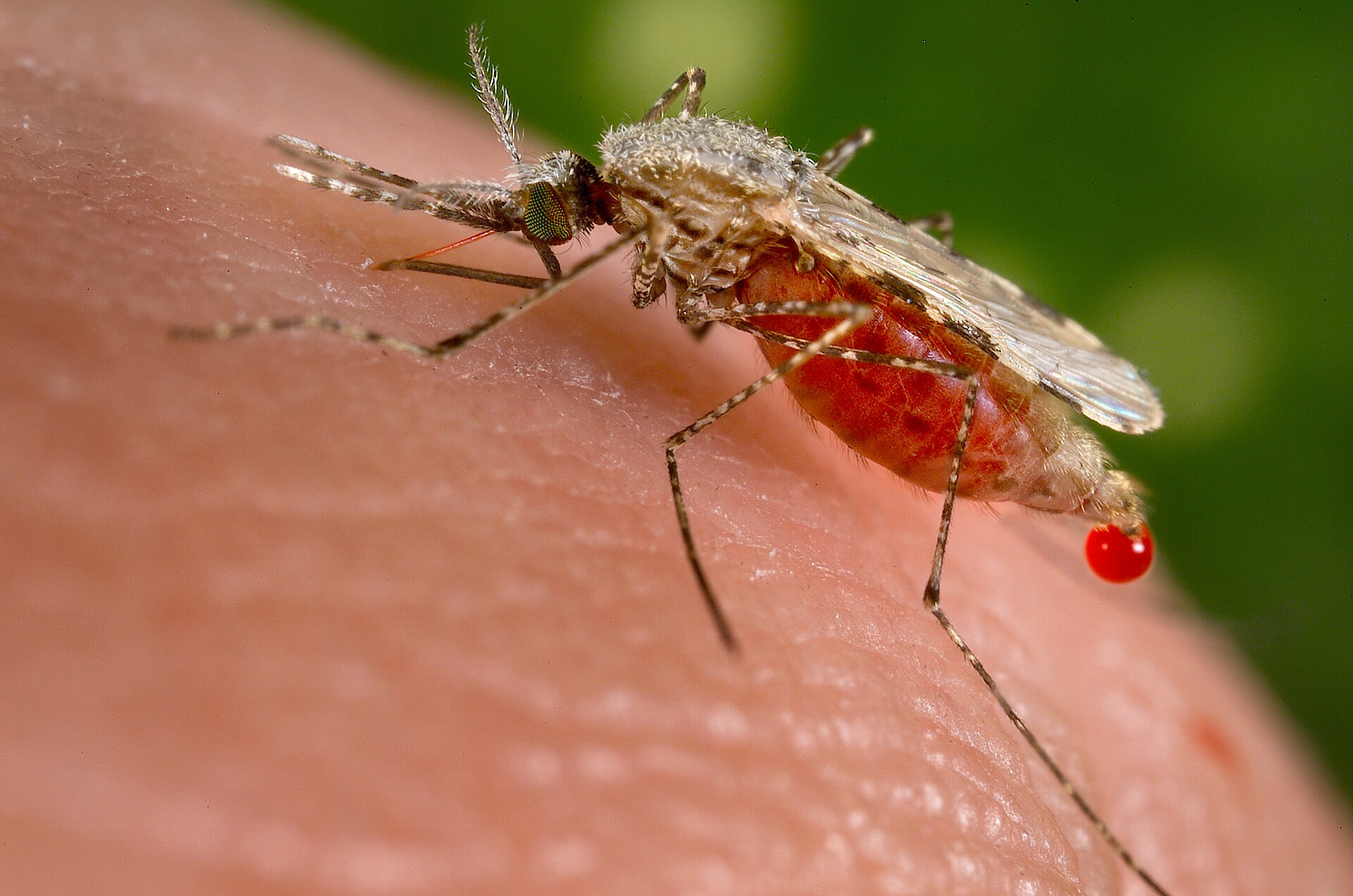
Vivaxin (Brazilian Researchers): Anvisa (Brazil's health regulatory agency) has approved the first human trial of Vivaxin, a vaccine targeting vivax malaria. The trial will involve 48 volunteers in Belo Horizonte, marking a significant step for this Brazilian-developed vaccine candidate.
- VYD2311 (VYD Pharma): Phase 3 LIBERTY study data indicates that adding the monoclonal antibody VYD2311 to an mRNA COVID-19 vaccine improves immunization tolerability. The combination was associated with fewer adverse events than vaccination alone, potentially offering a strategy to reduce reactogenicity in future boosters.
Expert Analysis
The recent death in Siberia has ignited a debate among health experts regarding the likelihood of a wider pneumonic plague outbreak. While the exact details of the infection remain unclear, the primary concern is the high transmissibility of pneumonic plague via respiratory droplets. Experts emphasize that rapid identification and quarantine are critical in preventing secondary cases, especially in a laboratory setting where exposure risks are inherently higher. The incident serves as a stark reminder of the persistent threat posed by zoonotic diseases and the importance of biosafety protocols.
In the context of broader preparedness, recent commentaries highlight that "preparing for the next pandemic requires more than commitments." Published in The Lancet Regional Health – Europe, analyses suggest that while global frameworks exist, operationalizing them remains a challenge. The Andes virus cluster on a cruise ship earlier this year demonstrated gaps in international coordination and rapid response mechanisms. Experts argue that true preparedness involves not just funding, but robust surveillance networks and transparent data sharing between nations to detect emerging threats like hantaviruses or novel influenza strains early.
Furthermore, the integration of new technologies into disease monitoring is becoming increasingly vital. As seen with the CDC’s Center for Forecasting and Outbreak Analytics (CFA), modeling tools are being used to predict respiratory illness trends. However, experts caution that these models rely heavily on the quality of underlying surveillance data. In conflict zones like Gaza, Sudan, and Ukraine, war recovery plans must include detailed disease monitoring to prevent outbreaks of polio and cholera, which thrive in disrupted health systems.
Global Health Security
The World Health Organization (WHO) continues to release critical data shaping global health policy. Recent estimates indicate that cholera deaths increased by 30% in 2025, despite fewer cases being reported to the WHO. In 2025, 47 countries reported 451,499 cholera cases and 7,870 deaths—the highest number of annual cholera deaths since 1999. This trend underscores the urgent need for improved water, sanitation, and hygiene (WASH) infrastructure alongside oral cholera vaccination campaigns.
Additionally, the WHO’s latest Global Health Estimates, released recently, provide a comprehensive picture of how health has changed across countries and regions between 2000 and 2023. These estimates track trends in life expectancy, causes of death, and disease burden, serving as a baseline for policy makers to allocate resources effectively. The data highlights the shifting landscape of global health, emphasizing the dual burden of infectious diseases and non-communicable diseases.
What to Watch Next
- Confirmation of Plague Case: Public health officials are awaiting lab confirmation of the suspected pneumonic plague case in Russia. If confirmed, it could trigger international travel advisories and stricter border screening measures in neighboring regions.
- Respiratory Season Trends: The CDC expects the 2026-2027 respiratory illness season to be similar to last season, with COVID-19, flu, and RSV projected to cause comparable peak hospitalizations. Monitoring early-season activity levels will be crucial for hospital preparedness.
- VAX-31 Regulatory Filings: Following positive Phase 3 results, investors and public health officials will watch for Vaxcyte’s prospective regulatory filings with agencies like the FDA. Approval could significantly expand the market for high-valent pneumococcal vaccines.
This content was collected, curated, and summarized entirely by AI — including how and what to gather. It may contain inaccuracies. Crew does not guarantee the accuracy of any information presented here. Always verify facts on your own before acting on them. Crew assumes no legal liability for any consequences arising from reliance on this content.
Powered by
