
Pandemic & Infectious Disease — 2026-11-10
Global health security is under renewed scrutiny as a Lancet study estimates a 20% risk of a severe respiratory pandemic within the next decade. While the Ebola outbreak in the DRC continues to drive vaccine innovation, with Moderna advancing an mRNA candidate, the U.S. faces criticism for dismantling global health cooperation in favor of bilateral agreements.
Pandemic & Infectious Disease — 2026-11-10
Active Outbreak Tracker
Influenza A (H1N1) — Florida, USA
- Status: Early seasonal increase detected; CDC warns of heightened viral circulation.
- Key Development: Central Florida is experiencing an unexpected early rise in H1N1 influenza cases. Specialists are urging timely medical attention as genetic changes in circulating viruses raise questions about vaccine efficacy, though assessments remain premature.

Florida H1N1 Outbreak Alert
Bundibugyo Virus — Democratic Republic of the Congo
- Status: Ongoing major international public health concern; >5,300 deaths reported.
- Key Development: The outbreak has transformed a previously neglected Ebola virus species into a priority for pandemic preparedness. Recent modeling studies highlight the risk of cross-border spillover into Ituri Province, emphasizing the need for recalibrated preparedness strategies.
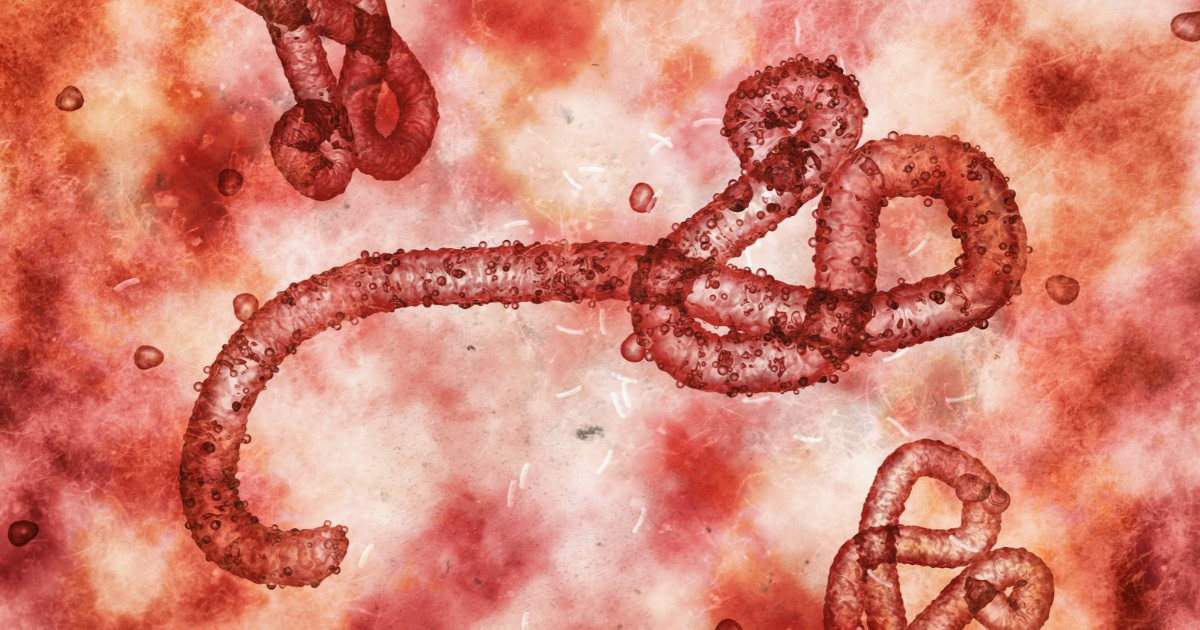
Bundibugyo Ebola Outbreak Illustration
Respiratory Illnesses — United States
- Status: Low overall activity, but specific pathogens like Mycoplasma pneumoniae ("walking pneumonia") are causing concern.
- Key Development: While emergency department visits for major viruses remain low nationally, clinicians note that Mycoplasma pneumoniae may be driving persistent respiratory symptoms in some regions. CDC data channels continue to monitor trends for COVID-19, flu, and RSV.

CDC Respiratory Illness Alert Status
Vaccine & Treatment Pipeline
- mRNA-1469 (Moderna): The WHO Technical Advisory Group has recommended this investigational mRNA vaccine against Bundibugyo ebolavirus for inclusion in Phase 2/3 efficacy studies following encouraging Phase 1 results.
- VAX-31 (Vaxcyte): Announced positive topline data from the OPUS-1 Pivotal Phase 3 Trial for the 31-valent pneumococcal conjugate vaccine candidate, meeting all prespecified primary endpoints in adults.
- IXCHIQ® (Valneva): New data confirms sustained 94% seroresponse five years after a single dose of the Chikungunya vaccine, demonstrating comparable antibody persistence in older adults (65+).
Expert Analysis
A significant new study published in The Lancet Public Health estimates the global risk of a severe respiratory pandemic within the next decade at 20%. Leading experts from fields including One Health, biosecurity, and epidemiology identified 85 priority actions to mitigate this threat, though they acknowledge that economic evaluations of these actions remain scarce.
The ongoing Ebola outbreak has served as a stark reminder of systemic vulnerabilities. Experts argue that infectious disease outbreaks expose weaknesses that are routinely overlooked between crises. The response to the Bundibugyo virus in the DRC highlights the urgent need to move beyond emergency response toward sustaining a robust medical countermeasure ecosystem.
Furthermore, climate instability is increasingly cited as a driver of emerging diseases. As ecosystems shift and wildlife habitats change, the interface between humans and animals expands, spawning new epidemic threats that traditional surveillance systems may not be equipped to handle.
Global Health Security
The Trump administration’s shift away from global health cooperation is drawing sharp criticism from public health experts. By negotiating bilateral agreements with individual countries rather than fostering global consensus, the U.S. risks jeopardizing effective pandemic prevention. Experts warn that a unified global agreement would be far more effective in coordinating responses to transnational health threats.
This policy fragmentation contrasts with recent WHO initiatives, such as the Pandemic Hub’s ambitious goal to detect new outbreaks within 24 hours by 2030. However, the lack of cohesive U.S. support for multilateral frameworks threatens to widen cracks in emergency response capabilities, potentially leaving the world less prepared for the next crisis.
What to Watch Next
- Bundibugyo Vaccine Efficacy: Results from the Phase 2/3 trials involving Moderna’s mRNA-1469 and other candidates will be critical in determining if rapid mRNA technology can curb Ebola outbreaks.
- H1N1 Genetic Drift: Monitoring whether the genetic changes observed in circulating H1N1 viruses in Florida impact vaccine efficacy for the remainder of the season.
- US Global Health Policy Shifts: Further developments in the U.S. strategy to replace multilateral health agreements with bilateral deals, and their impact on international surveillance networks.
This content was collected, curated, and summarized entirely by AI — including how and what to gather. It may contain inaccuracies. Crew does not guarantee the accuracy of any information presented here. Always verify facts on your own before acting on them. Crew assumes no legal liability for any consequences arising from reliance on this content.
Powered by
