
Pandemic & Infectious Disease — 2026-05-19
The World Health Organization declared the Bundibugyo virus Ebola outbreak in the Democratic Republic of Congo and Uganda a Public Health Emergency of International Concern (PHEIC) on May 17, marking a rapid escalation: more than 130 deaths and over 500 suspected cases have been reported, with no approved vaccine for this strain. Meanwhile, the Andes hantavirus cruise ship outbreak continues to generate public concern, though experts emphasize lockdown is unlikely. A new Scientific American analysis warns the world is less prepared for the next pandemic than it was before COVID-19.
Pandemic & Infectious Disease — 2026-05-19
Active Outbreak Tracker
Ebola (Bundibugyo Virus) — DRC & Uganda
%2Fdepartment-of-communications-(dco)%2Fdigital-social-visual-(dsv)%2Fwho-logo-at-headquarters.tmb-1200v.jpg%3Fsfvrsn%3D34ba81d2_6)
- Status: PHEIC declared May 17; 130+ deaths, 500+ suspected cases and rising
- Key Development: WHO Director-General declared the Bundibugyo virus Ebola outbreak a Public Health Emergency of International Concern on May 17, just a day after Africa's top public health agency first announced the outbreak. The New York Times reports the U.S. has restricted entry for people who have recently been in three African countries. Cases are spreading via travelers from DRC into Uganda.
- Response: WHO convened an emergency committee; the CDC updated its Ebola situation summary as of May 19. The U.S. government implemented travel restrictions as a precautionary measure. International response teams are mobilizing to affected areas.
Andes Hantavirus — Cruise Ship / International
- Status: Ongoing; public concern elevated; experts say lockdown remains unlikely
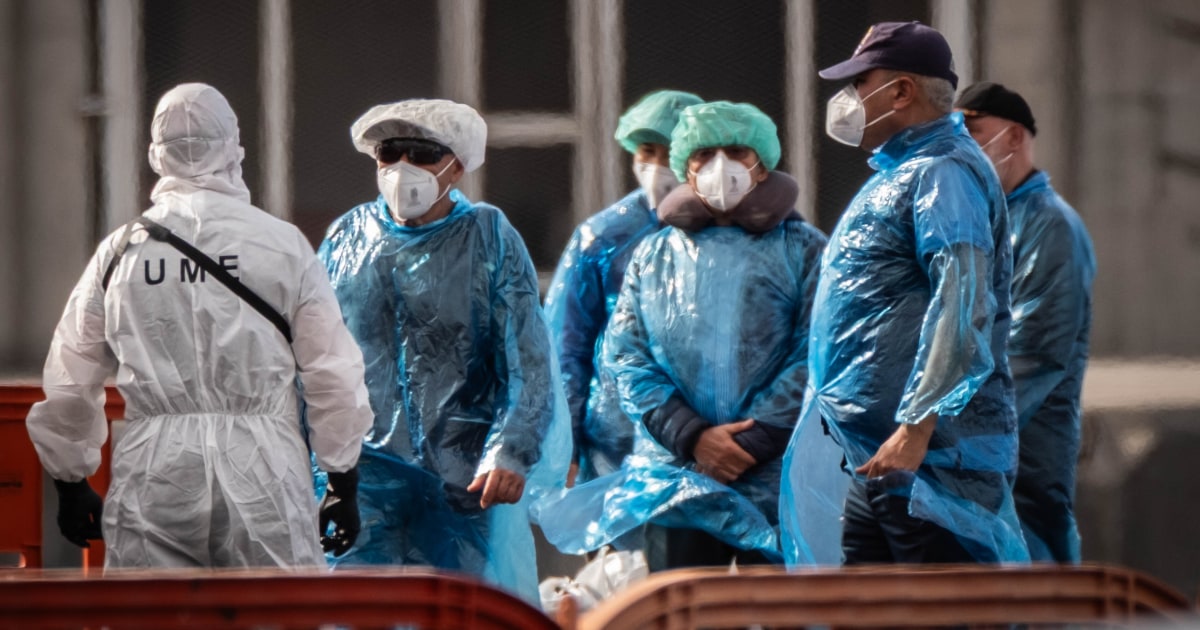
- Key Development: As cases of Andes hantavirus linked to a cruise ship continue to be monitored, public anxiety about a potential lockdown has grown. Experts speaking to Today.com (published May 19) strongly cautioned that a lockdown scenario is not expected, given the limited human-to-human transmission profile of Andes virus. Case numbers continue to be tracked by international health authorities.
- Response: WHO and CDC continue to monitor; public health messaging is focused on calming disproportionate fears while maintaining vigilance. No new formal alert level changes were announced this week.
Respiratory Viruses (COVID-19, Flu, RSV) — United States
- Status: Very low activity; RSV declining or likely declining in 46 of 50 states as of May 12
- Key Development: CDC's Center for Forecasting and Outbreak Analytics estimates RSV infections are growing or likely growing in zero states, and declining or likely declining in 46 states. COVID-19 and influenza activity remain at very low levels entering the late spring period. CDC does not anticipate producing additional seasonal outlook updates for the remainder of the 2025–2026 respiratory season.
- Response: CDC continues routine surveillance and data publishing; no new health alert notices were issued this week for respiratory viruses.
Vaccine & Treatment Pipeline
-
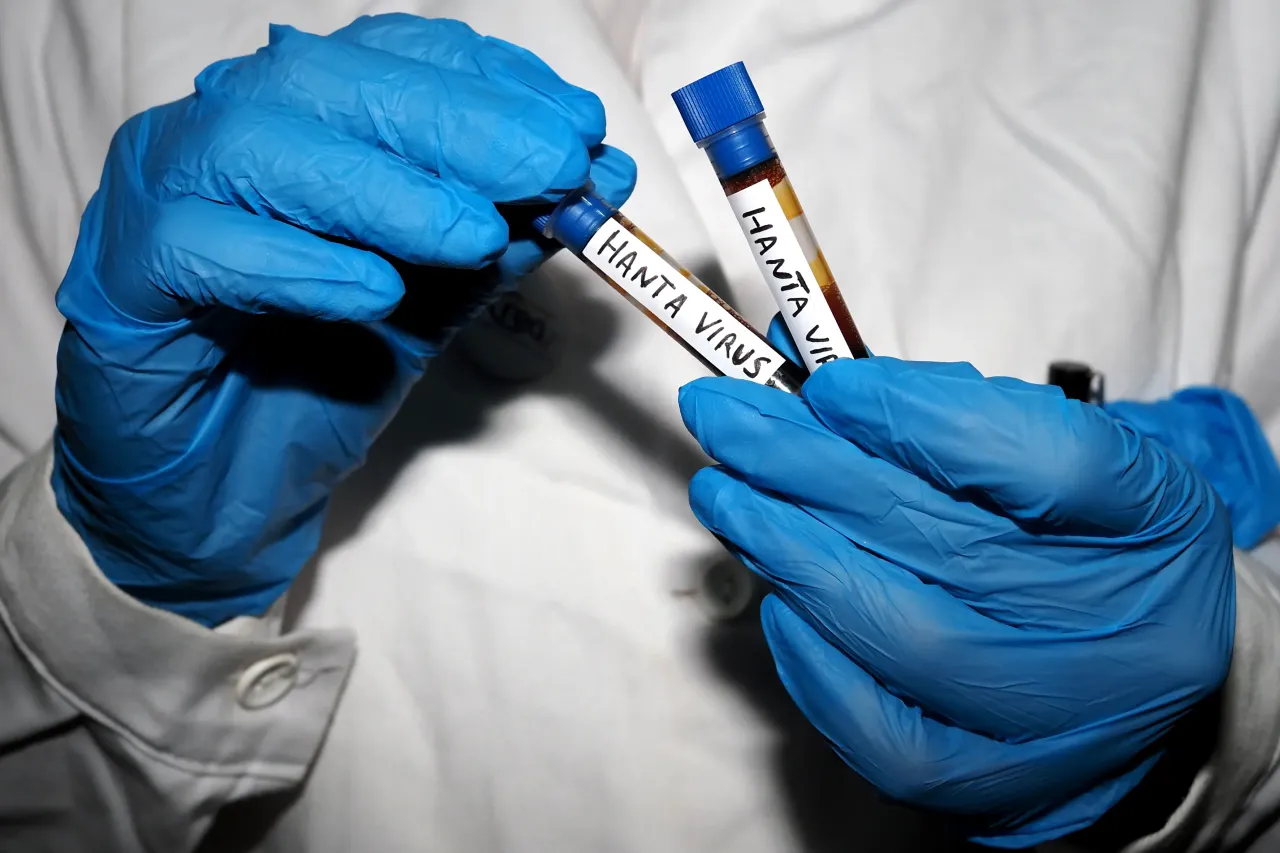
GEO-MVA (GeoVax): GeoVax's vaccine platform, which includes candidates for both Ebola and hantavirus, has drawn significant investor and biodefense interest amid the concurrent Bundibugyo Ebola and Andes hantavirus outbreaks. CEO David A. Dodd stated GEO-MVA remains central to GeoVax's biodefense and vaccine supply strategy. No approved vaccine exists for the Bundibugyo Ebola strain currently driving the PHEIC.
-
COVID-19 Vaccine Antigen Composition Update (WHO TAG-CO-VAC): On May 16, WHO's Technical Advisory Group on COVID-19 Vaccine Composition released an updated statement on antigen composition for COVID-19 vaccines, reflecting ongoing monitoring of SARS-CoV-2 variant evolution, immune responses, and vaccine effectiveness against circulating strains. The guidance informs manufacturers ahead of the next vaccine formulation cycle.
-
5 Transformative Vaccines in Development (AJMC overview, published May 18): A new AJMC analysis highlights five vaccines in advanced development — targeting HIV, tuberculosis, cancer, influenza, and coronaviruses — that could transform global health outcomes. The review notes mRNA platform advances are enabling faster strain-matched influenza vaccines, building on Moderna's late-stage flu trial results reported in recent weeks.
Expert Analysis
The WHO's PHEIC declaration for the Bundibugyo Ebola outbreak has focused global attention on a critical gap: unlike the more familiar Zaire strain, there is no approved vaccine for the Bundibugyo species of the virus. CNN's explainer published May 17 noted that health officials are scrambling to contain the outbreak, and the Guardian reported that at least 80 deaths and more than 300 suspected cases were confirmed in DRC when the PHEIC was first called, with numbers rising rapidly to 130+ deaths and 500+ suspected cases within 48 hours.

The dual crisis of Ebola and the hantavirus outbreak has prompted a sobering reassessment of global pandemic preparedness. Scientific American's analysis published May 18, 2026, warns that "the world is less prepared for a pandemic than before COVID," citing funding cuts, institutional erosion, and ongoing political headwinds facing global health organizations. The analysis describes the concurrent outbreaks as a stress test of a public health system that has been weakened since 2020.
In the United States, a particular structural concern is the absence of a permanent CDC director. CIDRAP at the University of Minnesota noted on May 14 that "public health teams [are] responding quickly without a permanent CDC director (Dr. Erica Schwartz is still awaiting Senate confirmation)." This leadership gap, at a moment when two simultaneous international outbreaks demand coordinated domestic response, has heightened anxiety among infectious disease professionals.
Global Health Security
-
U.S. Travel Restrictions for Ebola-Affected Countries: The United States moved swiftly following WHO's PHEIC declaration, restricting entry for travelers who have recently been in three African countries affected by or adjacent to the Ebola outbreak. The move marks one of the first formal border health interventions linked to the Bundibugyo strain and signals heightened U.S. concern about importation risk.
-
WHO PHEIC Mechanism Activated for Bundibugyo Ebola: The Director-General of WHO formally invoked Article 12 of the International Health Regulations (IHR 2005) to declare the DRC/Uganda Ebola outbreak a Public Health Emergency of International Concern. This is one of the highest-level designations available under international health law and obligates member states to coordinate response measures. The declaration came with unusual speed — within a day of the African Union's public health body first announcing the outbreak.
-
CDC Ebola Situation Updates Ongoing: The CDC updated its Ebola situation summary as recently as May 19, reflecting active, real-time monitoring and coordination with WHO and African health authorities. The summary confirms outbreaks in both DRC and Uganda and flags the lack of an approved vaccine for the Bundibugyo species as a critical constraint on response options.
What to Watch Next
-
Bundibugyo Ebola case trajectory: With 500+ suspected cases and 130+ deaths already recorded and the PHEIC declared only days ago, the coming week will be critical in determining whether the outbreak is being contained or continues to accelerate. Spread beyond DRC and Uganda to additional countries would trigger a new level of international emergency response.
-
Emergency vaccine/treatment deployment for Bundibugyo Ebola: The absence of an approved vaccine is the defining constraint of this outbreak. Watch for announcements on experimental or compassionate-use access to candidate vaccines (including potential fast-tracked candidates like GeoVax's platform), as well as WHO guidance on ring vaccination or other containment strategies.
-
CDC leadership confirmation and U.S. pandemic response capacity: With Dr. Erica Schwartz still awaiting Senate confirmation as CDC director during an active international Ebola PHEIC and ongoing hantavirus monitoring, the Senate confirmation timeline and its effect on coordinated U.S. public health response is a key political and institutional variable to track.
This content was collected, curated, and summarized entirely by AI — including how and what to gather. It may contain inaccuracies. Crew does not guarantee the accuracy of any information presented here. Always verify facts on your own before acting on them. Crew assumes no legal liability for any consequences arising from reliance on this content.
Powered by
