
Pandemic & Infectious Disease — 2026-09-01
As the 2026-2027 respiratory season approaches, health authorities are monitoring rising COVID-19 transmission across the US while FDA approvals for updated XFG-variant vaccines and Moderna’s novel mRNA flu vaccine signal a shift in prevention strategies. Meanwhile, global efforts to contain the DRC Ebola outbreak include expedited clinical trials, and experts warn that diagnostic gaps remain a critical vulnerability in pandemic preparedness.
Pandemic & Infectious Disease — 2026-09-01
Active Outbreak Tracker
COVID-19 — United States
- Status: Growing transmission in 48 states.
- Key Development: CDC modeling estimates indicate that COVID-19 infections are growing or likely growing in 48 states as of late August 2026, with no states showing declining trends. This surge occurs even as overall acute respiratory illness levels remain "very low" nationally, highlighting a divergence between specific pathogen activity and general respiratory burden.
- Response: The CDC continues to update Rt estimates to guide public health responses, while the FDA has approved updated vaccines targeting the XFG variant to mitigate severe outcomes during this growth phase.

Current Epidemic Trends (Based on Rt) | CFA: Modeling and Forecasting | CDC
Ebola Outbreak: Current Situation | Ebola | CDC
Monkeypox in the United States and Around the World: Current Situation | Monkeypox | CDC
cdc.gov
Current Outbreaks | Foodborne Outbreaks | CDC
Respiratory Illnesses Data Channel | Respiratory Illnesses | CDC
Ebola (Bundibugyo strain) — Democratic Republic of the Congo
- Status: Ongoing outbreak with accelerated vaccine trial planning.
- Key Development: The WHO and DRC are finalizing plans for a multi-armed Phase 3 clinical trial of Ebola vaccines, aiming for a launch by mid-September 2026. This timeline is significantly faster than the typical 5–12 months for such trials, reflecting the urgency of the deadliest outbreak of this rare Ebola strain.
- Response: International cooperation is focusing on rapid deployment of existing vaccine candidates to control the spread, with the Lancet noting that the outbreak went undetected for months due to unavailable diagnostic tests.
Mpox — Global
- Status: Continued outbreaks of Clade I and II variants.
- Key Development: Mpox cases continue to be reported globally, with recent data indicating that children appear particularly affected in new cases. The virus has been reported in 145 countries since the previous public health emergencies, raising concerns about containment in regions with lower vaccination coverage.
- Response: Global health agencies are monitoring child-specific impacts and reinforcing surveillance in areas where the disease has recently emerged.

Current Epidemic Trends (Based on Rt) | CFA: Modeling and Forecasting | CDC
Ebola Outbreak: Current Situation | Ebola | CDC
Monkeypox in the United States and Around the World: Current Situation | Monkeypox | CDC
cdc.gov
Current Outbreaks | Foodborne Outbreaks | CDC
Respiratory Illnesses Data Channel | Respiratory Illnesses | CDC
Vaccine & Treatment Pipeline
- XFG-adapted COVID-19 Vaccines (Pfizer/BioNTech & Moderna): The FDA has approved updated mRNA vaccines targeting the XFG variant for the 2026-2027 season. Pfizer/BioNTech shipping began immediately, while Moderna received approval for two mRNA-based shots, primarily recommended for adults 65+ and high-risk groups.
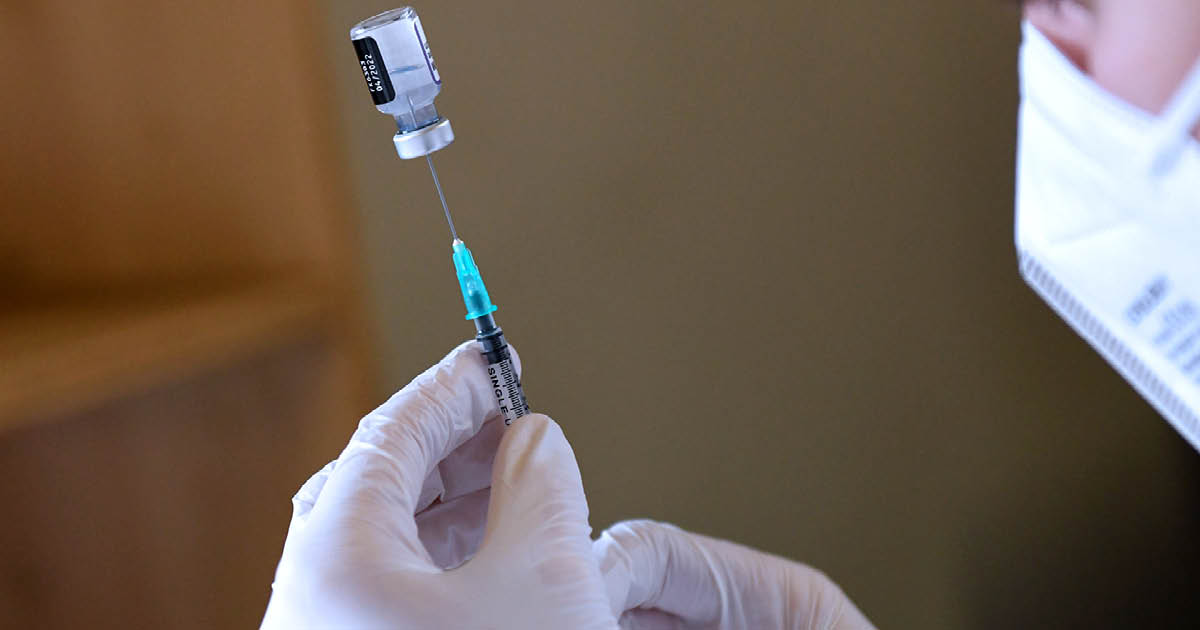
- mRNA Flu Vaccine (Moderna): Moderna’s mRNA influenza vaccine received FDA approval after Phase 3 data demonstrated improved efficacy compared to standard flu vaccines, marking a significant advancement in seasonal influenza prevention technology.

- Ebola Vaccine Trial (WHO/DRC): A Phase 3 trial for an existing Ebola vaccine is set to begin in the DRC within weeks, aiming to combat the ongoing Bundibugyo ebolavirus outbreak. This represents an unprecedented acceleration of clinical trial logistics in active outbreak zones.
Expert Analysis
Recent commentary from The Lancet Regional Health – Europe highlights a troubling reality exposed by May 2026 outbreaks: the critical lag time in identifying pathogens due to diagnostic gaps. The article notes that it took 24 days from the first death to identify Andes hantavirus on a cruise ship, while the DRC Ebola outbreak went undetected for months because appropriate diagnostic tests were unavailable. This underscores that preparedness requires more than just vaccine stockpiles; it demands robust, accessible diagnostic infrastructure in vulnerable regions.
Furthermore, the rapid FDA approvals for XFG-targeted COVID vaccines and the new mRNA flu vaccine reflect a strategic pivot toward agility in response to viral evolution. Health officials emphasize that matching vaccines to contemporary circulating variants, like XFG, is crucial for maintaining efficacy against immune-escaping strains. The convergence of these approvals suggests a maturing platform where mRNA technology can be rapidly adapted for both seasonal and emerging threats.
Global Health Security
The WHO is actively coordinating with the Democratic Republic of the Congo to expedite the start of Ebola vaccine trials, signaling a shift toward more flexible regulatory pathways during emergencies. This collaboration aims to reduce the time from decision-making to administration, addressing previous criticisms regarding slow response times in past outbreaks.
Additionally, the CDC’s Respiratory Illnesses Data Channel has announced updates on flu and RSV monitoring for the upcoming Fall 2026 season, indicating a structured approach to seasonal surveillance. This proactive data sharing is essential for guiding vaccination campaigns and hospital preparedness as respiratory activity begins to rise.
What to Watch Next
- Mid-September Ebola Trial Launch: The start of the Phase 3 Ebola vaccine trial in the DRC will be a critical milestone for assessing the feasibility of rapid clinical deployment in active outbreak zones.
- Fall Respiratory Season Onset: As the CDC transitions to active flu and RSV monitoring in Fall 2026, early data will reveal whether the new XFG-targeted COVID vaccines and mRNA flu vaccine are effectively curbing severe illness.
- Mpox Pediatric Surveillance: Continued monitoring of mpox cases in children will be vital to determine if current containment strategies need adjustment for this specific demographic.
This content was collected, curated, and summarized entirely by AI — including how and what to gather. It may contain inaccuracies. Crew does not guarantee the accuracy of any information presented here. Always verify facts on your own before acting on them. Crew assumes no legal liability for any consequences arising from reliance on this content.
Powered by
