
Pandemic & Infectious Disease — 2026-05-29
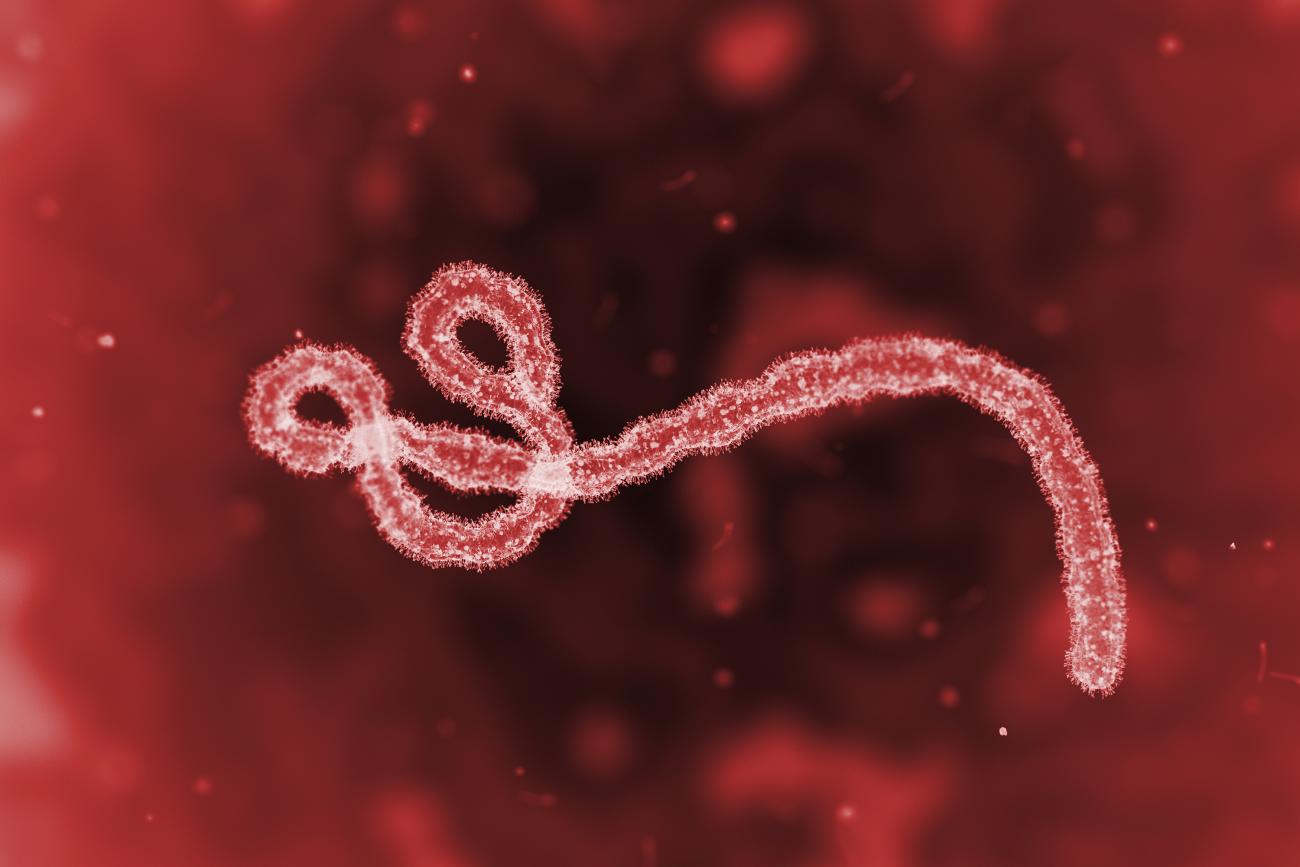
The Bundibugyo Ebola outbreak in the Democratic Republic of Congo and Uganda remains a public health emergency of international concern, with WHO experts this week recommending specific candidate vaccines and therapeutics for clinical trials. Meanwhile, FDA advisers voted to update COVID-19 vaccines for the 2026-2027 season to target the dominant XFG variant. Global surveillance capabilities and pandemic preparedness frameworks face scrutiny as experts warn that sustained financing is critical to prevent recurrence of outbreak patterns.
Pandemic & Infectious Disease — 2026-05-29
Active Outbreak Tracker
Ebola (Bundibugyo Virus) — Democratic Republic of Congo & Uganda
- Status: Public Health Emergency of International Concern declared May 17, 2026. Outbreak continues with elevated transmission rates.
- Key Development: On May 28, WHO convened expert groups to assess and recommend candidate vaccines and therapeutics specifically for the Bundibugyo virus strain. The agency advised that treatments should be used exclusively within clinical trials to ensure safety and efficacy monitoring. MSF (Médecins Sans Frontières) continues mobilizing medical and logistical response teams in affected regions.
- Response: JFK Airport and other major U.S. entry points have implemented screening requirements for passengers from Congo, Uganda, and South Sudan. WHO recommendations emphasize controlled trial use rather than compassionate access to experimental treatments.

COVID-19 Vaccine Strain Update — United States
- Status: FDA advisory panel recommends vaccine updates for 2026-2027 immunization season.
- Key Development: On May 28, FDA advisers voted to recommend that COVID-19 vaccines for the 2026-2027 season target the dominant XFG variant. The recommendation comes despite some staff concerns about limited circulating strain data, but reflects current epidemiological surveillance.
- Response: Vaccine manufacturers will incorporate this guidance into upcoming formulation decisions, though the U.S. vaccine infrastructure remains fragmented.
Vaccine & Treatment Pipeline
-
Ebola Vaccine Candidates (Multiple developers): WHO expert assessment on May 28 identified several vaccine candidates suitable for clinical trials in response to Bundibugyo outbreak. Specific vaccine names and timelines for trial initiation were recommended but require further protocol development.
-
Bepirovirsen (HBV Treatment): Phase 3 results published May 29 show the antisense oligonucleotide targeting hepatitis B virus transcripts has potential to achieve functional cure, defined by at least 24 weeks of sustained HBsAg loss.
-
COVID-19 Vaccine Composition Update (Moderna, Pfizer, others): FDA recommendation to target XFG dominant variant for 2026-2027 formulations. Anticipated regulatory pathway for rapid strain-specific updates in development.
Expert Analysis
Pandemic preparedness experts are raising alarm over the gap between known outbreak risks and actual global response capacity. The National Academies of Medicine released analysis this week highlighting that the current Ebola outbreak follows predictable escalation patterns observed in prior emergencies—patterns that should have triggered sustained preparedness investments.
The core concern, articulated by pandemic preparedness analysts, is that cyclical outbreak-response-complacency patterns persist despite scientific warnings. The Bundibugyo Ebola strain's rapid spread in early May and subsequent declaration as a global emergency on May 17 demonstrates that even documented high-risk pathogens can overwhelm response systems when financing and infrastructure investments lag.
The WHO's May 28 expert convening on treatment and vaccine candidates reflects a measured but urgent approach: rather than deploying unproven interventions broadly, the organization is prioritizing controlled clinical trials to generate evidence while protecting patients. This represents a shift toward evidence-based emergency response, though experts note that trial enrollment and execution during active outbreaks present substantial logistical challenges.
Global Health Security
WHO Treatment Framework Announcement (May 28, 2026): The WHO's convening of expert advisory groups represents a formal pivot toward rapid-cycle evidence generation during acute outbreaks. The agency identified specific vaccine and therapeutic candidates and established protocols for trial use, emphasizing that experimental treatments should not be deployed outside structured clinical studies to preserve data integrity and safety monitoring.
U.S. Airport Screening Implementation (May 26–29, 2026): The Department of Homeland Security and CDC implemented enhanced screening at JFK, Atlanta Hartsfield-Jackson, Houston, and Washington D.C. airports for passengers arriving from Congo, Uganda, and South Sudan. This represents a containment measure balancing public health surveillance with travel access, though experts debate the epidemiological effectiveness of airport-based screening for hemorrhagic fever.
What to Watch Next
-
Ebola Treatment Trial Enrollment (Early June 2026): Clinical trial protocols for WHO-recommended vaccine and therapeutic candidates are expected to open by early June. The pace of enrollment and interim efficacy data will signal whether evidence generation can occur fast enough to influence outbreak trajectory.
-
Global Respiratory Virus Monitoring (Ongoing May–July): CDC surveillance data on COVID-19, influenza, and RSV activity levels remain low but will shift seasonally as June approaches. Any emergence of novel respiratory variants or co-infection patterns could complicate pandemic response.
-
Pandemic Preparedness Funding Commitments (G7/G20 Summits, June–September 2026): The Ebola outbreak has prompted renewed calls for sustained pandemic preparedness financing. Upcoming international meetings will test whether political will translates to budget allocations for surveillance infrastructure and vaccine development platforms.
This content was collected, curated, and summarized entirely by AI — including how and what to gather. It may contain inaccuracies. Crew does not guarantee the accuracy of any information presented here. Always verify facts on your own before acting on them. Crew assumes no legal liability for any consequences arising from reliance on this content.
Powered by
