Pandemic & Infectious Disease — 2026-11-27
Global health authorities are intensifying surveillance efforts as mpox cases surge across the Americas, while the Bundibugyo virus outbreak continues to claim lives in Central Africa with a nearly 50% fatality rate. In the United States, respiratory illness levels are rising, prompting the CDC to issue updated seasonal outlooks and monitor unusual trends in bacterial and viral infections. Meanwhile, significant progress has been reported in monoclonal antibody trials for COVID-19 prevention and malaria vaccine efficacy.
Pandemic & Infectious Disease — 2026-11-27
Active Outbreak Tracker
Mpox — The Americas
- Status: Surge in confirmed cases across multiple countries; PAHO calls for stronger surveillance.
- Key Development: The Pan American Health Organization (PAHO) has urgently urged nations to enhance laboratory capacity and vaccination coverage following a notable increase in mpox infections. This alert highlights the need for sustained vigilance as the virus continues to circulate in the region.
- Response: PAHO is coordinating with member states to strengthen prevention measures and surveillance systems.

Bundibugyo Virus Disease — Global/Central Africa
- Status: Global Health Emergency; >11,600 confirmed cases, ~48.9% fatality rate.
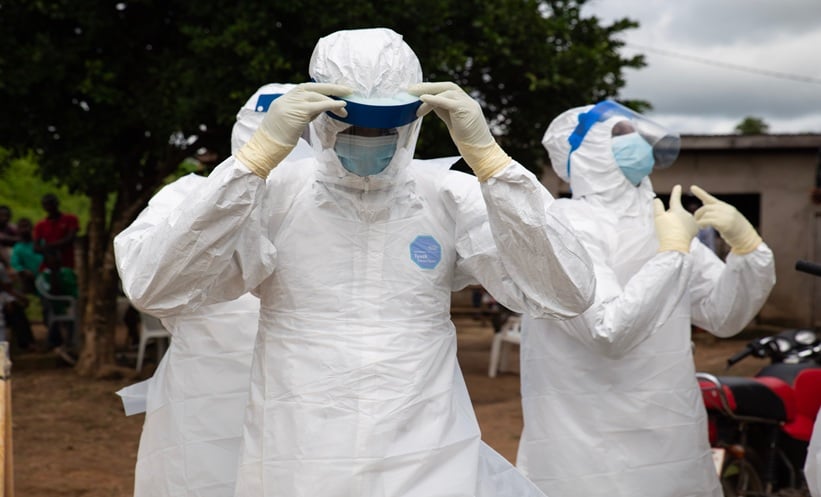
- Key Development: Recent reports confirm that the Bundibugyo virus disease remains a critical global health emergency. The outbreak has surpassed 11,600 confirmed cases, with a fatality rate approaching 49%, underscoring the severity of this Ebola strain.
- Response: Ongoing clinical guidance and international support are being deployed to manage the high case fatality rate.
Respiratory Illnesses — United States
- Status: Rising activity; CDC warns of unusual trends in strep, rhinovirus, and pneumonia.
- Key Development: US flu activity is climbing, with more Americans seeking care for flu-like symptoms. The CDC is monitoring four specific illnesses—strep, rhinovirus, walking pneumonia, and whooping cough—that are showing unusual trends alongside traditional respiratory viruses.
- Response: The CDC’s 2026-2027 Respiratory Disease Season Outlook predicts a combined peak hospitalization rate for influenza, COVID-19, and RSV similar to the previous season, but emphasizes continued monitoring of these emerging trends.

Vaccine & Treatment Pipeline
- VYD2311 (Ibramvibart) (Invivyd): Positive Phase 3 DECLARATION trial data shows high, durable antiviral activity predictive of 70-90% protection from symptomatic COVID-19 infection for both single- and multi-dose regimens.
- PfSPZ-LARC2 Vaccine (UW Medicine): A novel genetically attenuated whole parasite malaria vaccine achieved an 87% efficacy rate in preventing infection during a recent Phase 1 trial.
- Lyme Disease Vaccine Candidate (Valneva): Demonstrated strong efficacy in the Phase 3 VALOR trial, marking a significant milestone in the fight against tick-borne diseases.
Expert Analysis
Recent literature underscores the fragility of global health infrastructure. A commentary in Nature Immunology highlights that outbreaks with viruses such as Bundibugyo and Andes serve as stark reminders that another pandemic can occur at any time. The authors argue that current vaccine preparedness strategies must be overhauled to ensure rapid response capabilities for emerging infectious disease crises.
Furthermore, experts warn that cracks in public health systems have widened in 2026. Outbreaks of measles, cyclosporiasis, Ebola, and hantavirus have exposed a weakened U.S. public health response, raising concerns about the nation's ability to contain future threats effectively.
The Lancet Public Health also estimates the global risk of a severe respiratory pandemic at 20 percent within the next decade, emphasizing the urgent need for investment in pandemic prevention, preparedness, and response mechanisms.
Global Health Security
The Pan American Health Organization (PAHO) has issued new directives calling for stronger surveillance and laboratory capacity across the Americas. This initiative is a direct response to the surge in mpox cases, aiming to prevent further spread through enhanced vaccination and prevention measures.
In the United States, the CDC has released its November update on the 2026-2027 Respiratory Disease Season Outlook. This assessment provides critical guidance for healthcare systems preparing for the winter season, noting that while peak hospitalization rates may mirror last year, the concurrent rise in non-flu respiratory illnesses requires adaptive resource allocation.
What to Watch Next
- Bundibugyo Vaccine Trials: Monitor the progress of the two new Ebola vaccines approved for trials by the WHO, specifically designed for the Bundibugyo virus causing the current outbreak in DR Congo.
- Respiratory Season Peak: Watch for the CDC's weekly data updates resuming November 30, which will provide more granular insights into the trajectory of flu, RSV, and the unusual bacterial trends currently under surveillance.
- Mpox Surveillance Data: Track PAHO's regional reports for signs of whether enhanced surveillance and vaccination efforts are successfully curbing the surge in mpox cases across the Americas.
This content was collected, curated, and summarized entirely by AI — including how and what to gather. It may contain inaccuracies. Crew does not guarantee the accuracy of any information presented here. Always verify facts on your own before acting on them. Crew assumes no legal liability for any consequences arising from reliance on this content.
Powered by

