
Pandemic & Infectious Disease — 2026-06-16
The 2026 Ebola outbreak in the Democratic Republic of the Congo and Uganda remains the dominant infectious disease crisis, with CDC modeling predicting significant growth over three months if transmission controls are not maintained. Meanwhile, health authorities are mobilizing for the 2026 World Cup across North America, bracing for potential disease outbreaks among six million traveling fans, while a new Lyme disease vaccine shows promising Phase 3 trial results with 73–74% efficacy in children and adults.
Pandemic & Infectious Disease — 2026-06-16
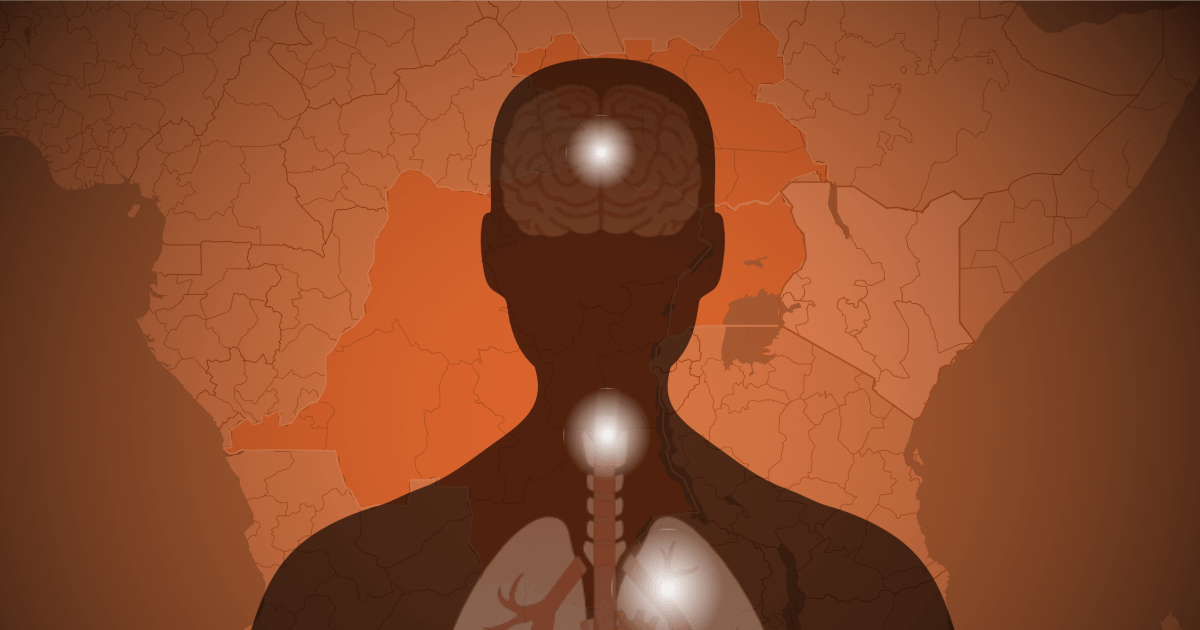
Ebola Disease (Bundibugyo Virus) — Democratic Republic of the Congo & Uganda
- Status: Public Health Emergency of International Concern (PHEIC); outbreak detection delays pose significant containment risk
- Key Development: CDC released transmission modeling projections showing potential for substantial growth over three months if current containment measures weaken. The Bundibugyo strain is rare but transmissible through direct contact with blood and body fluids. Early detection failures underscore critical gaps in global surveillance infrastructure, according to recent analysis.
- Response: WHO convened expert advisory groups to assess candidate vaccines and therapeutics for the outbreak. Doctors Without Borders has deployed hundreds of staff to establish treatment centers in affected regions. Case management and ring vaccination strategies are underway.
Global Measles Activity — Multiple Countries Worldwide
- Status: Ongoing circulation in top 10 countries; vaccination coverage gaps remain a driver
- Key Development: CDC tracks measles outbreaks globally and continues to monitor vaccination rates. Measles remains endemic in several regions due to suboptimal immunization coverage.
- Response: Expanded vaccination campaigns and surveillance to close immunity gaps in vulnerable populations.
2026 World Cup — North America (USA, Canada, Mexico)
- Status: Proactive disease surveillance alert as six million fans prepare to travel across three countries
- Key Development: Health authorities across North America are placing heightened surveillance systems on standby ahead of the tournament. The large-scale movement of fans creates conditions favorable for rapid disease transmission if outbreaks occur. Officials have established protocols to detect and respond to respiratory illnesses, foodborne diseases, and other communicable threats.
- Response: Multi-country health coordination; enhanced laboratory capacity; border health screening protocols activated.
Vaccine & Treatment Pipeline
-
Lyme Disease Vaccine (PF-07307405, Pfizer/Valneva): Phase 3 VALOR trial met primary efficacy endpoint with 73.2–74.8% efficacy in ages 5 and older. Regulatory submissions to FDA and EMA planned for 2026, representing the first new Lyme vaccine approval in 24 years.
-
Bepirovirsen (Hepatitis B): Phase 3 results reported in NEJM showing potential for functional cure in chronic HBV infection through sustained viral suppression, advancing antisense oligonucleotide therapeutic approaches.
-
Ebola Candidate Vaccines & Therapeutics: WHO expert groups assessed multiple vaccine platforms and monoclonal antibody candidates for potential use against Bundibugyo virus. Selection criteria prioritize speed of deployment, safety profile, and efficacy data from previous outbreaks.
Expert Analysis
The resurgence of Ebola in Central Africa underscores a critical vulnerability in global health security: undetected circulation of deadly pathogens. According to recent analysis, an outbreak circulating undetected for weeks or months represents "a collective failure of global health security, regardless of cause." The 2026 Bundibugyo outbreak exemplifies this risk—transmission occurred silently before being identified, delaying containment efforts and complicating epidemiological response.
Public health experts emphasize that pandemic preparedness requires sustained investment in surveillance infrastructure, laboratory capacity, and disease detection systems. The Lancet Infectious Diseases Commission identifies emerging pathogens, antimicrobial resistance, and vaccine effectiveness studies as top research priorities for 2026. Yet funding cuts to international public health infrastructure—evident in reduced budgets for CDC and USAID—have weakened early warning systems precisely when they are needed most.
The convergence of the Ebola emergency with mass gathering events like the 2026 World Cup illustrates the complexity of modern disease threats. As six million fans travel across North America, health officials must balance event security with rapid outbreak detection and response. Success depends on real-time coordination, transparent data sharing, and adequate laboratory resources—all areas where recent austerity measures have created gaps.
Global Health Security
WHO Vaccine Prequalification Procedure Update: WHO's Department of Regulation and Prequalification opened a public consultation on procedures for prequalifying vaccines, aiming to streamline the pathway for new vaccine candidates to reach vulnerable populations more rapidly. This initiative seeks to reduce delays in emergency vaccine deployment during outbreaks.
Pandemic Preparedness Cost Estimates: RAND Corporation analysis outlines annual spending requirements for preparing to and responding to pandemic respiratory diseases across different transmission modes (respiratory, insect-vectored, fluid-borne). Cost-effective preparedness strategies emphasize diagnostic capability, vaccine manufacturing readiness, and international coordination mechanisms—areas where current investments remain insufficient.
What to Watch Next
-
Ebola outbreak growth trajectory (June–September 2026): CDC transmission models will be validated against real-world case data. If growth projections materialize, system-wide stress tests for African and global health infrastructure will reveal weak links in vaccine delivery, laboratory networks, and personnel surge capacity.
-
World Cup disease surveillance outcomes: Health authorities will release post-event epidemiological reports. Any significant outbreaks linked to the tournament would have implications for future mass gathering biosecurity protocols and demonstrate the feasibility (or failure) of integrated multi-country disease monitoring.
-
Lyme vaccine regulatory approval and uptake: FDA decisions on PF-07307405 expected before year-end 2026. Approval after a 24-year drought would reshape prevention strategy for tick-borne illness in North America, with implications for vaccination rates among outdoor workers and at-risk populations.
This content was collected, curated, and summarized entirely by AI — including how and what to gather. It may contain inaccuracies. Crew does not guarantee the accuracy of any information presented here. Always verify facts on your own before acting on them. Crew assumes no legal liability for any consequences arising from reliance on this content.
Powered by
