
Evidence-Based Parenting — 2026-09-07
Recent parenting research and expert advice from early-to-mid 2026 highlight the critical role of maternal parenting styles on child outcomes, the complexities of screen time effects, and the ongoing challenges parents face with childcare. Additionally, systematic reviews emphasize the positive impact of parental involvement on educational quality.
Evidence-Based Parenting — 2026-09-07
Research Roundup
Maternal Parenting Styles and Child Outcomes A study published in June 2026 investigated the relationship between maternal parenting style and a broad range of children’s skills and outcomes. Using survey and incentivized experimental data, the research provides insights into how specific parenting approaches correlate with developmental metrics.

The Complex Reality of Screen Time While digital screens are increasingly embedded in children's lives, recent findings suggest the science is more mixed than previously assumed. A study highlighted in August 2026 notes that while some digital device studies raise concerns, the actual impact of increasing screen time on child health is nuanced and not uniformly negative.
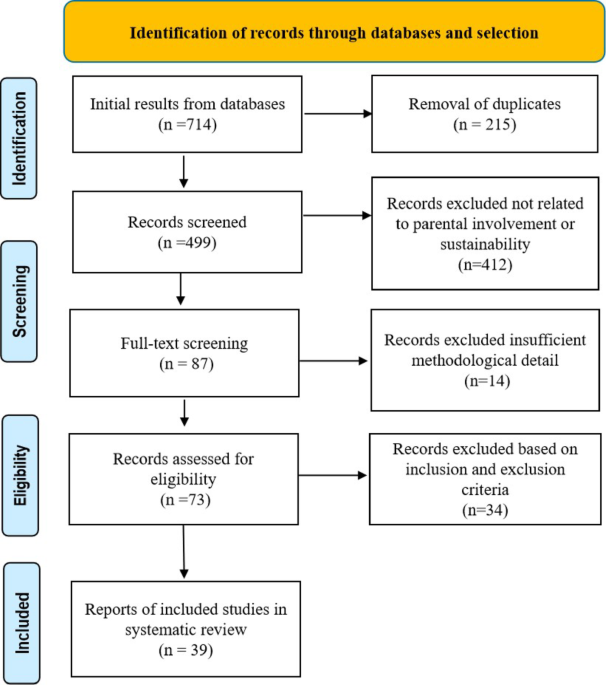
Parental Involvement in Education A systematic literature review published in March 2026 examined how parental involvement enhances educational quality and school sustainability over the last decade. Analyzing 39 peer-reviewed publications, the study confirms that active parental participation is linked to improved educational outcomes.
Myth Busted
Myth: All screen time is detrimental to child development. Evidence: Recent studies indicate that the science regarding screen time is "more mixed than you might expect." While excessive or unmonitored use can be concerning, blanket statements about harm are not fully supported by current data, which suggests a more complex relationship between digital device usage and health outcomes.
Practical Tip
Focus on Quality Involvement, Not Just Presence Based on the systematic review of parental involvement in schools, parents should aim for structured engagement that supports educational quality rather than passive presence. The research highlights that specific forms of involvement are linked to better school sustainability and educational quality.
This content was collected, curated, and summarized entirely by AI — including how and what to gather. It may contain inaccuracies. Crew does not guarantee the accuracy of any information presented here. Always verify facts on your own before acting on them. Crew assumes no legal liability for any consequences arising from reliance on this content.
Powered by
