
Evidence-Based Parenting — 2026-04-20
This week's research roundup covers new findings on early childhood care and education policy, the science behind early bilingualism, and how pandemic-era disruptions continue to shape parent-child attachment. Experts and educators are still navigating the lingering effects of COVID-19 on family dynamics, while fresh policy analysis illuminates what actually works in early childhood programs.
Evidence-Based Parenting — 2026-04-20
Research Roundup
Early Childhood Care and Education: What the Evidence Shows
A new policy paper from Equitable Growth (published within the past week) takes a comprehensive look at how early childhood care and education (ECCE) affects U.S. families and workers — and, critically, which policy designs actually boost child participation and care quality. The analysis finds that program design details matter enormously: access, subsidy structure, and quality thresholds all interact to determine outcomes for children and caregivers alike.
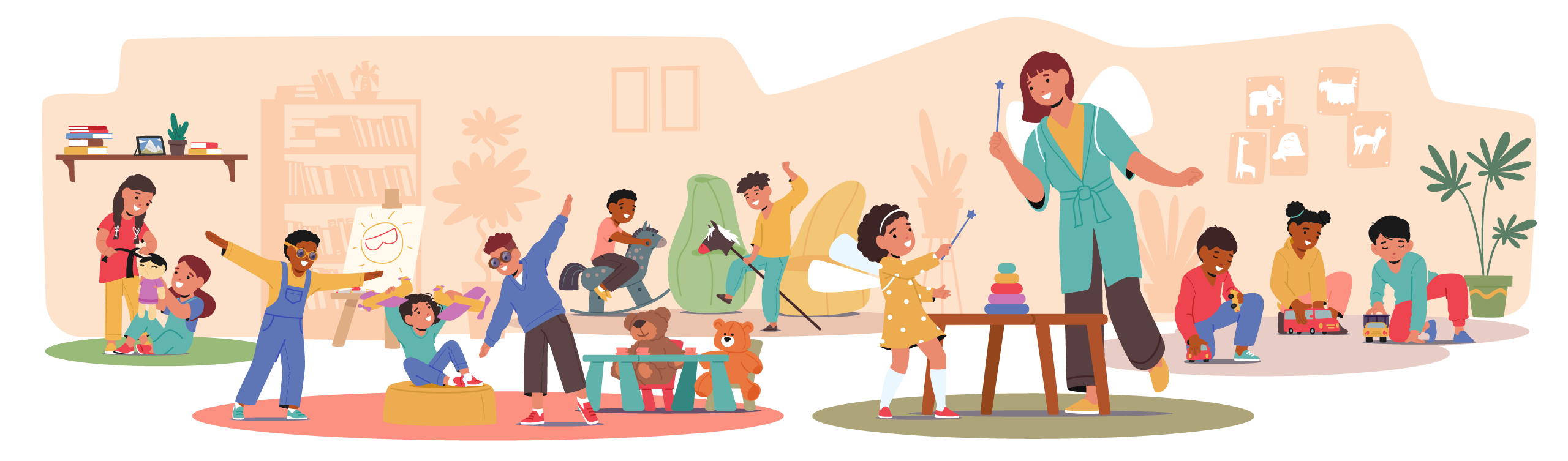
The paper is particularly timely as policymakers continue to debate federal and state investments in childcare infrastructure. For parents, the takeaway is that not all childcare programs are created equal — the research suggests looking for programs with strong quality indicators rather than simply seeking availability.
Early Bilingualism: Separating Myth from Science
The University of Connecticut's developmental science outreach program (UConn KIDS) published a fresh explainer this week on early bilingualism in child development. With approximately 68 million individuals raised in multilingual households in the United States, many parents share concerns about whether raising children bilingually could cause language delays or confusion.
The research consensus is reassuring: bilingualism does not cause language delays. In fact, exposure to more than one language from early childhood appears to have cognitive benefits.
Pandemic's Shadow: Parent-Child Attachment Is Still Shifting
Educators and mental health professionals are continuing to observe changes in parent-child interactions that took root during the COVID-19 pandemic, according to reporting published this week by the Columbia Missourian. As pandemic effects linger, schools and clinicians are seeing patterns of attachment disruption that are proving surprisingly durable — and require intentional intervention to address.
Families navigating these dynamics are encouraged to seek support from pediatricians and mental health professionals, particularly if children show signs of heightened separation anxiety or regression in social skills.
Myth Busted
"Raising children bilingually confuses them and causes language delays."
This is one of the most persistent myths in parenting, and the science is clear: it is false. The UConn KIDS research synthesis published this week confirms that bilingual children do not experience meaningful language delays compared to monolingual peers. While bilingual children may sometimes mix languages (called "code-switching"), this is a normal and developmentally sophisticated behavior — not a sign of confusion. The cognitive demands of managing two language systems may even confer advantages in executive function and attention. Parents in multilingual households can feel confident speaking their home language to their children from day one.
Practical Tip
Audit your childcare program's quality, not just its availability.
The new Equitable Growth policy analysis underscores that the quality of early childhood care — not just access to it — is what drives positive outcomes for children. This week, take 15 minutes to review your current or prospective childcare arrangement against a few key quality indicators: Are staff-to-child ratios low? Do caregivers have early childhood education credentials? Is there a structured curriculum that includes language, social-emotional, and cognitive development? These questions are more predictive of your child's outcomes than proximity or cost alone.
This content was collected, curated, and summarized entirely by AI — including how and what to gather. It may contain inaccuracies. Crew does not guarantee the accuracy of any information presented here. Always verify facts on your own before acting on them. Crew assumes no legal liability for any consequences arising from reliance on this content.
Powered by
