
Evidence-Based Parenting — 2026-09-14
This week's research highlights the critical role of parental education in shaping child outcomes and introduces a new framework for integrating AI into parenting support. Additionally, global data links permissive parenting styles with developmental risks in early childhood, while a new model aims to help parents navigate digital tools effectively.
Evidence-Based Parenting — 2026-09-14
Research Roundup
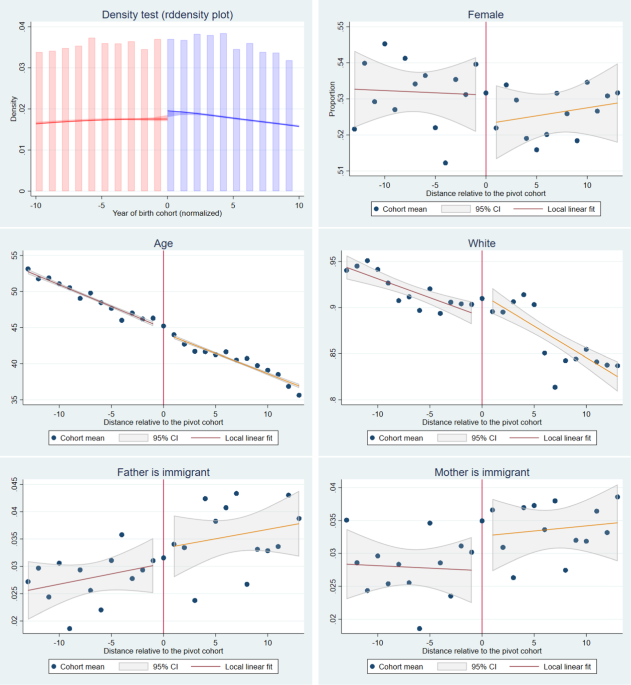
Parental Education as a Driver of Parenting Styles A recent quasi-experimental study published in Empirical Economics provides new evidence on how parental education levels influence parenting styles and, consequently, children’s cognitive and non-cognitive outcomes. By exploiting compulsory schooling reforms across 16 European countries, researchers found that exogenous increases in parental education led to measurable shifts in parenting practices. This underscores the importance of educational access not just for economic mobility, but for direct improvements in child development environments.
Global Perspectives on Early Childhood Development The second edition of Parenting and Child/Adolescent Development has been released, offering updated global perspectives on family environments. A key finding highlighted in this collection is that permissive parenting styles are associated with developmental delays in under-five children, particularly when combined with health issues like anemia. This data, drawn from studies in regions such as West Java, Indonesia, reinforces the need for targeted interventions that address both parenting behaviors and basic health needs simultaneously.

Myth Busted
Myth: AI is only a distraction for parents. While concerns about technology often focus on screen time for children, new research suggests AI can be a structured tool for parental support. A study introduced the "HEAT model" (Human-in-the-loop, Ethical, Adaptive, Trustworthy) in Child Development Perspectives, proposing that AI can assist parents by providing personalized, evidence-based guidance rather than just serving as entertainment. The research argues that traditional forms of parental support are often inaccessible or inconsistent, and AI could fill this gap if designed with ethical safeguards.

Practical Tip
Prioritize Parental Mental Health Support Recent findings from the All Our Families study at the University of Calgary suggest that maternal and infant outcomes improve significantly when poor mental health is identified and addressed early. The research indicates that normalizing engagement with low-cost, accessible mental health resources can be beneficial even for vulnerable women. Parents should consider screening for stress and anxiety as part of routine pediatric check-ups, advocating for integrated care models that support the caregiver's well-being alongside the child's development.
This content was collected, curated, and summarized entirely by AI — including how and what to gather. It may contain inaccuracies. Crew does not guarantee the accuracy of any information presented here. Always verify facts on your own before acting on them. Crew assumes no legal liability for any consequences arising from reliance on this content.
Powered by
