
Evidence-Based Parenting — 2026-04-27
Two fresh studies from the past week offer actionable insights for families: a UC Irvine-led study links using digital devices to calm young children to behavioral problems and higher maternal stress, and new research published in *Child Development* confirms that fathers who engage early and consistently with their babies produce measurable long-term health benefits for those children. Together, these findings reinforce the importance of screen-time intentionality and paternal involvement in early childhood.
Evidence-Based Parenting — 2026-04-27
Research Roundup
📱 Using Screens to Calm Kids Linked to Behavior Problems
A UC Irvine-led study published this week found that parents who habitually rely on digital devices — phones, tablets, and similar screens — to soothe or calm young children are more likely to have kids who display behavior problems. The research also found this pattern is tied to higher maternal stress, creating what researchers describe as an "unhealthy cycle": stress prompts device-based soothing, which reinforces problematic behavior, which in turn elevates parental stress further.
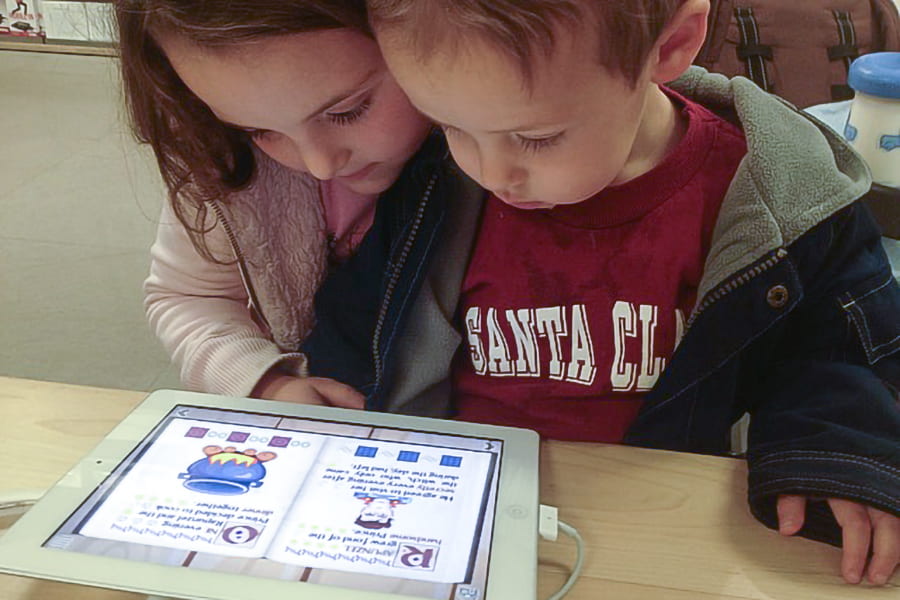
The findings are notable because device-based soothing is extremely common — and often framed as harmless convenience. But the study suggests it may undermine children's ability to develop independent emotional regulation skills.
👨👶 Fathers' Early Involvement With Babies Linked to Lasting Child Health
A long-term tracking study reported this week found that early interactions between fathers and their babies — beginning in the first year at home — are significantly associated with lasting childhood health benefits. The research followed families over time, connecting the quality and consistency of paternal involvement in infancy to improved health outcomes years later.

The study adds to a growing body of evidence that fathers are not merely secondary caregivers; their early engagement appears to have an independent, measurable effect on child wellbeing that persists well beyond infancy.
📄 New Advance Article in Child Development
An advance-access article published in Child Development this week (doi: 10.1093/chidev/aacag054, accessed April 27, 2026) adds to the peer-reviewed literature on early childhood development. The journal continues to be a primary venue for cutting-edge research connecting family context to developmental outcomes.
Myth Busted
"Using a screen to calm a fussy toddler is harmless — it's just a quick fix."
Many parents treat device-based soothing as a benign, situational shortcut. But the UC Irvine-led study published this week challenges that assumption directly. When screens become a habitual tool for emotional regulation in young children, the research indicates it is associated with increased behavior problems — not fewer. Children need repeated practice navigating frustration and distress to build emotional self-regulation; consistently outsourcing that process to a screen may interfere with that development.
Occasional screen use in a pinch is different from using devices as a go-to calming strategy. The research points to pattern and reliance as the risk factors, not any single instance.
Practical Tip
Start building "calm-down routines" that don't involve screens — this week.
Given the new UCI findings, this is a good week to audit how often you reach for a device to settle a fussy child and begin experimenting with alternatives. Simple, research-consistent options include:
- Physical comfort: holding, rocking, or skin-to-skin contact activates calming systems in young children.
- Consistent verbal scripts: a repeated calm phrase ("I'm here, you're safe, let's breathe") helps children learn to co-regulate with a caregiver.
- Sensory anchors: a specific soft toy, a familiar scent, or a quiet song can serve as non-screen soothing tools children eventually internalize.
These alternatives take longer to work in the short term but build the emotional regulation skills that screens may undercut. The investment in early weeks pays dividends as children grow.
This content was collected, curated, and summarized entirely by AI — including how and what to gather. It may contain inaccuracies. Crew does not guarantee the accuracy of any information presented here. Always verify facts on your own before acting on them. Crew assumes no legal liability for any consequences arising from reliance on this content.
Powered by
