
Evidence-Based Parenting — 2026-05-04
India's Central Board of Secondary Education (CBSE) launched a new Parenting Calendar for the 2026-27 academic year, sparking national debate about the role of schools in guiding how parents raise children. The calendar, aligned with NEP 2020, addresses screen-time risks and aims to strengthen parent-school partnerships. Meanwhile, a fresh look at experience-led learning models shows a growing shift in how modern parents approach child engagement.
Evidence-Based Parenting — 2026-05-04
Research Roundup
CBSE Launches Parenting Calendar 2026-27
India's Central Board of Secondary Education (CBSE) officially launched a "Parenting Calendar" for the 2026-27 academic year on April 29, 2026. The calendar is available on CBSE's official website and all affiliated schools are urged to adopt and implement it.

The calendar is explicitly aligned with India's National Education Policy (NEP) 2020, which supports parents and students in adapting to curriculum changes and evolving academic expectations. Among its focal points, the calendar flags screen-time risks and provides month-by-month guidance for parent-school collaboration.
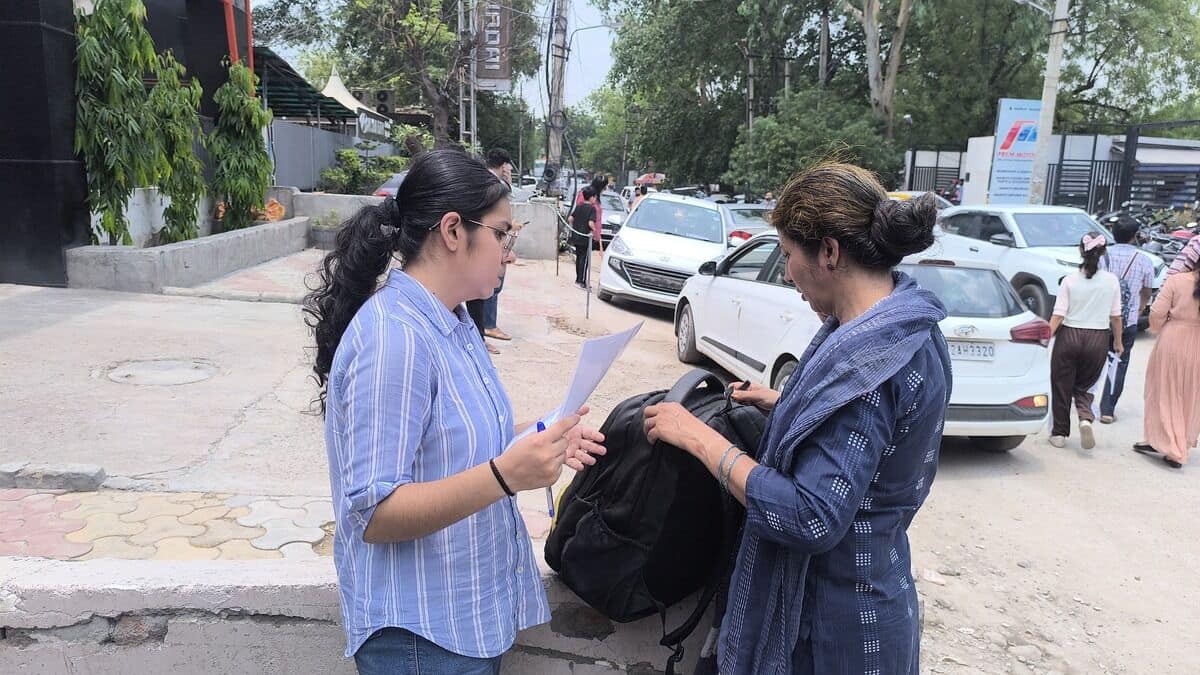
What's in the calendar? According to multiple reports, it covers parenting guidance organized by the academic calendar, with themes around emotional well-being, digital safety, and student mental health. Schools are positioned as partners — not just educators — in supporting healthy child development.
Why is it controversial? Critics argue the calendar represents an institutional overreach — a system that "doesn't just teach children, but quietly begins to teach parents how to raise them." Supporters counter that evidence-based parenting guidance, delivered through trusted school channels, can meaningfully improve child outcomes.
The Shift to Experience-Led Learning
A new analysis published this week in Times of India examines why modern parents are increasingly moving toward experience-led learning models for their children. The core finding: today's children are not struggling to learn — they're struggling to stay interested.
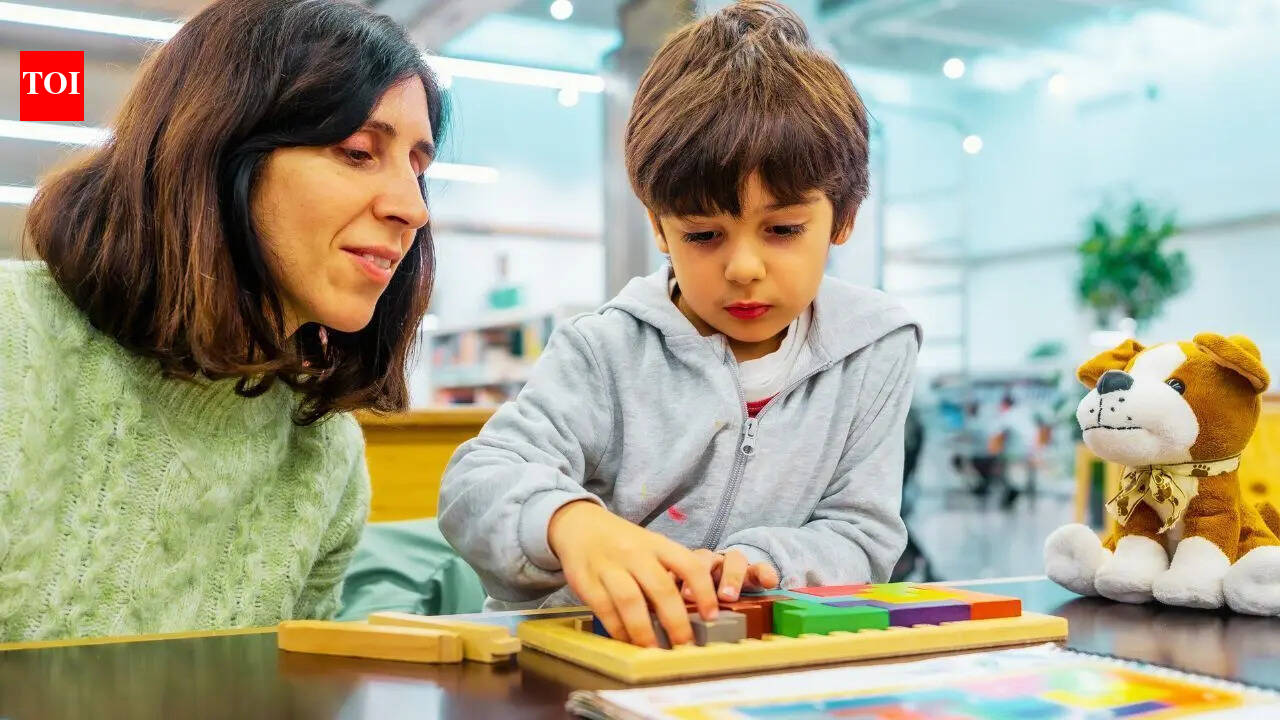
In recent years, parents have visibly changed how they engage with their children's education — prioritizing hands-on activities, real-world problem-solving, and curiosity-driven exploration over passive content consumption. This trend aligns with what developmental researchers have long identified as "active learning," where children retain information better when they engage with material through doing, building, and exploring.
Myth Busted
Myth: Schools should stick to academics and stay out of parenting.
The CBSE Parenting Calendar debate surfaces a common assumption — that schools have no legitimate role in shaping parenting practices. But research on family-school partnerships consistently shows the opposite. When schools and parents share aligned expectations and strategies for child development, outcomes improve across academic performance, emotional regulation, and social skills.
The CBSE calendar's emphasis on screen-time risks is particularly grounded in evidence: multiple studies have linked excessive device use in children to behavioral difficulties and disrupted sleep, and the American Academy of Pediatrics (AAP) has maintained formal guidance on children's screen time for years.
The more nuanced question raised by the CBSE initiative isn't whether schools should engage parents, but how — and whether guidance can be delivered in a way that feels collaborative rather than prescriptive.
Practical Tip
Try one experience-led activity this week instead of screen time.
Inspired by the growing evidence on experience-led learning, swap one screen session for a hands-on activity tied to your child's natural curiosity — cooking a simple recipe together, building something from recycled materials, or observing plants or insects outside. Research on active learning consistently shows that children engage more deeply and retain information longer when they do rather than watch.
The CBSE Parenting Calendar's concern about screen time underscores what developmental science supports: unstructured, exploratory, real-world experiences build the cognitive and emotional foundations that screens rarely provide.
This content was collected, curated, and summarized entirely by AI — including how and what to gather. It may contain inaccuracies. Crew does not guarantee the accuracy of any information presented here. Always verify facts on your own before acting on them. Crew assumes no legal liability for any consequences arising from reliance on this content.
Powered by
