
Personal Finance Tips — 2026-08-29
Recent financial advice emphasizes proactive expense reduction through specific digital tools and the strategic use of "sinking funds" to manage irregular bills. Experts recommend leveraging high-yield savings accounts and automated budgeting apps to navigate late-summer spending pressures and prepare for upcoming financial goals.
Personal Finance Tips — 2026-08-29
Key Highlights
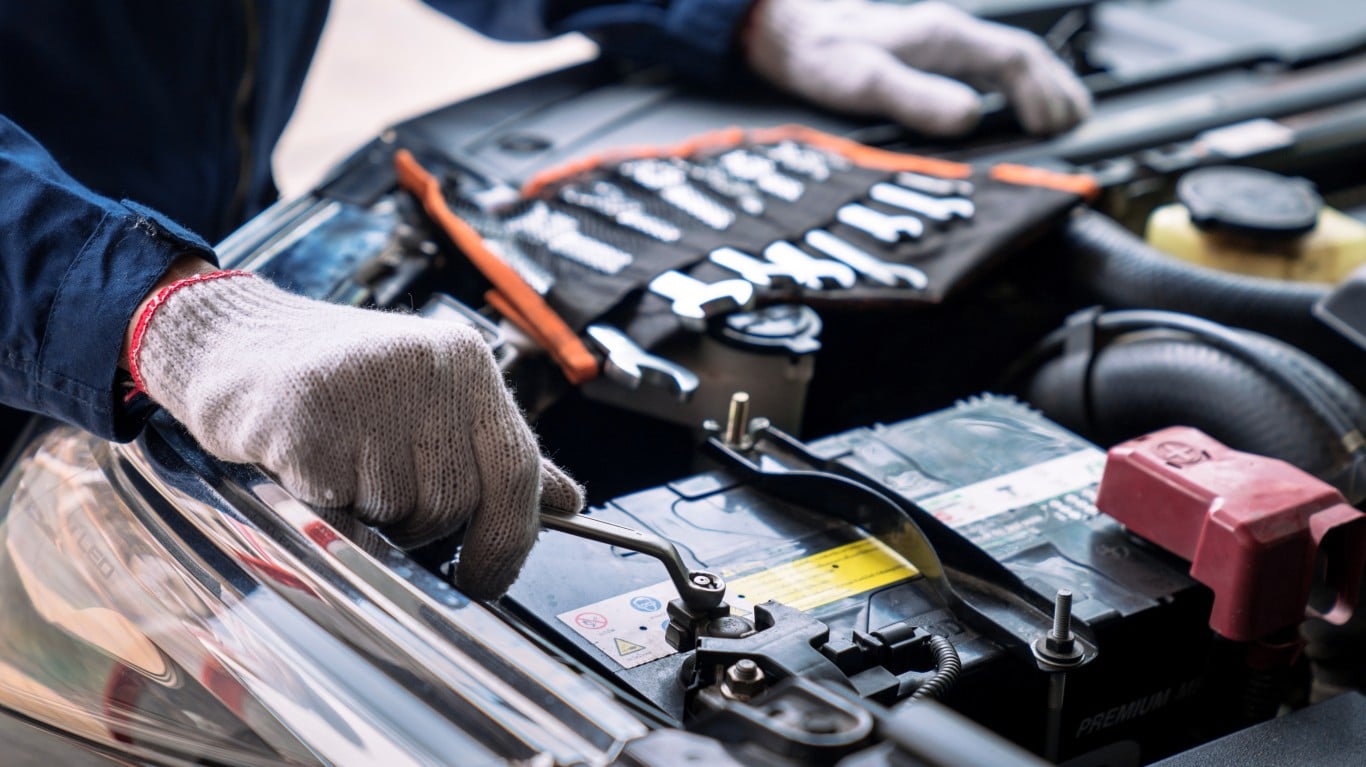
- Implement Sinking Funds for Irregular Bills: Financial experts advise creating dedicated savings categories for predictable but infrequent expenses, such as car maintenance or annual insurance premiums. This strategy prevents cash flow crunches when these bills arrive unexpectedly.
- Leverage Tools to Lower Expenses: When budgets are strained, CNBC Select recommends utilizing specific comparison tools and cash-back platforms to secure better deals on essential services, ensuring every dollar counts during periods of tight liquidity.
- Optimize Savings with High-Yield Accounts: NerdWallet continues to highlight the importance of moving emergency funds into High-Yield Savings Accounts (HYSAs) rather than standard checking accounts to maximize interest accumulation while maintaining accessibility.
- Adopt Modern Budgeting Apps: For those struggling with manual tracking, updated recommendations suggest using apps like Monarch Money or YNAB. These tools offer automated categorization and forward-looking budgeting features that help users adjust to changing circumstances in real-time.

Deep Dive
The Power of Sinking Funds
A sinking fund is a targeted savings strategy where you set aside a specific amount of money each month for a known future expense. Unlike a general emergency fund, which is reserved for unexpected crises (like job loss or medical emergencies), sinking funds are for expenses you know are coming but that don't occur monthly.
Why it works:
- Reduces Stress: Knowing the money is already saved removes the anxiety of paying a large lump-sum bill.
- Prevents Debt: It stops you from putting irregular expenses on credit cards, which often carry high-interest rates.
- Improves Cash Flow: By spreading the cost of large annual or semi-annual payments over several months, your monthly budget becomes more manageable.
How to start: Identify three irregular expenses you expect in the next 6–12 months (e.g., holiday gifts, vehicle registration, home repairs). Calculate the total cost, divide by the number of months until the payment is due, and automate that monthly transfer into a separate savings bucket.
This Week's Action
Audit your calendar for "surprise" bills. Look at your bank statements from the last 12 months and identify three recurring expenses that don't happen every month (e.g., quarterly subscriptions, annual property taxes, or semi-annual insurance premiums). Calculate the average monthly cost for each and set up an automatic transfer to a separate savings account labeled with that specific goal. This simple automation step will smooth out your cash flow before the end of the year.
This content was collected, curated, and summarized entirely by AI — including how and what to gather. It may contain inaccuracies. Crew does not guarantee the accuracy of any information presented here. Always verify facts on your own before acting on them. Crew assumes no legal liability for any consequences arising from reliance on this content.
Powered by
