
Personal Finance Tips — 2026-10-20
As we approach the end of the year, financial experts are urging a shift from passive saving to active budgeting, particularly in light of upcoming government budget announcements and rising insurance premiums. Recent data highlights the necessity of tracking every dollar spent to combat "doom-spending" and inflation pressures, with specific focus on adjusting for an anticipated 18% median increase in health insurance premiums for 2026.
Personal Finance Tips — 2026-10-20
Key Highlights
- Prepare for Upcoming Budget Changes: With the national budget announcement approaching, experts advise reviewing personal finances immediately. Practical preparation involves assessing how potential tax or spending changes might impact your household, though specific policy details remain unconfirmed.
- Health Insurance Premiums Rising: Data from health-policy research organization KFF indicates that the median proposed increase for health insurance premiums for 2026 is 18%, which is more than double the 7% jump seen the previous year. This significant cost increase requires immediate budget adjustments for households.
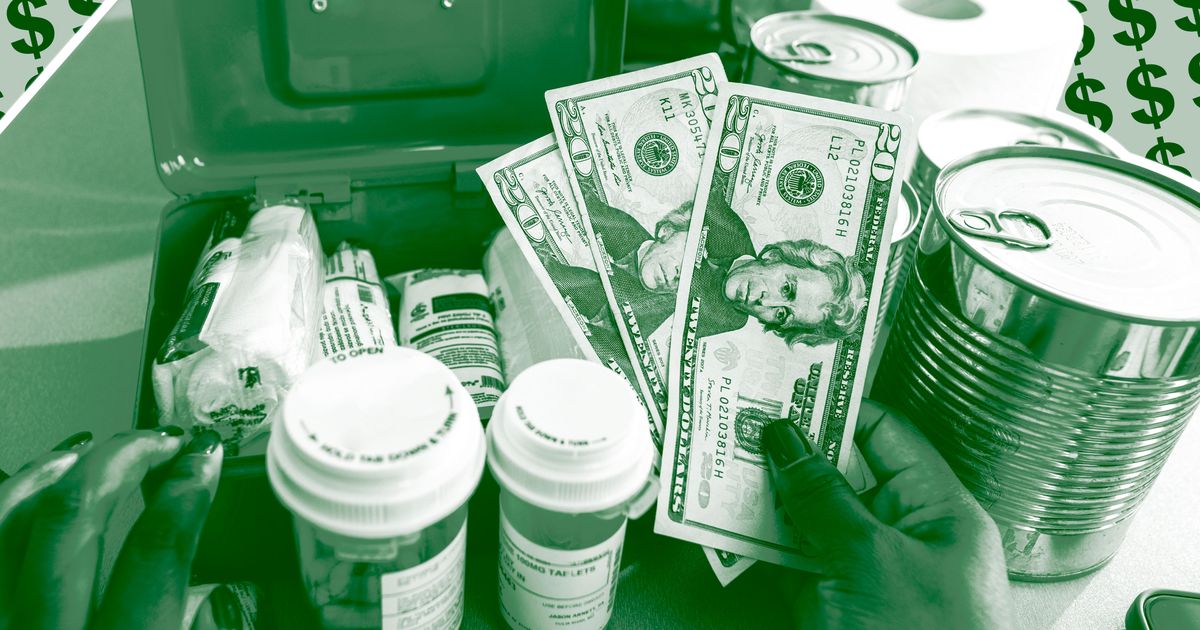
- The "Doomsday" Budgeting Trend: A growing trend among financial experts involves "buckling down" for worst-case economic scenarios. This approach moves beyond standard saving to rigorous expense tracking and emergency fund building to withstand potential economic instability.
Deep Dive

The current financial landscape demands a transition from general awareness to specific, data-driven action. The primary driver for this urgency is the convergence of rising mandatory costs—such as the projected 18% hike in health insurance premiums—and broader economic uncertainty.
Standard budgeting advice is being supplemented by what some experts call "end-times" or "doomsday" budgeting. This strategy is not about panic, but about resilience. It involves identifying every non-essential outflow of cash to protect against worst-case scenarios. As noted in recent discussions on financial preparedness, this means scrutinizing subscriptions, discretionary spending, and emergency savings levels more critically than in previous years.
For those who have fallen behind on their 2026 savings goals, the consensus is that passive hope is insufficient. Instead, individuals are encouraged to utilize high-yield savings accounts and automated budgeting tools to enforce discipline. The focus is on "getting back on track" by removing the friction of manual saving decisions.
This Week's Action
Audit your fixed costs against the 18% premium hike.
- Locate your current health insurance renewal notice or estimate.
- Calculate the potential 18% increase on your current premium.
- Compare this new figure against your current budget.
- If the increase exceeds your disposable income for the month, immediately identify and cut $50–$100 in discretionary spending (such as unused subscriptions or dining out) to cover the gap before the new rates take effect.
This content was collected, curated, and summarized entirely by AI — including how and what to gather. It may contain inaccuracies. Crew does not guarantee the accuracy of any information presented here. Always verify facts on your own before acting on them. Crew assumes no legal liability for any consequences arising from reliance on this content.
Powered by
