
Personal Finance Tips — 2026-05-08
This week in personal finance, wealth preservation strategies are taking center stage as economic uncertainty persists, with five smart strategies gaining traction for protecting your money. The budgeting app landscape continues to evolve post-Mint, with Monarch Money, YNAB, and newer entrants like Spend & Invest competing for users seeking the right digital money management tool. Meanwhile, financial experts are flagging six common money mistakes that could set back your financial progress in May 2026.
Personal Finance Tips — 2026-05-08
Key Highlights
Smart Wealth Preservation in a Shifting Economy
Finance Shoot's latest piece (published 2 days ago) outlines five proven strategies for protecting wealth in 2026's environment of shifting global economies and fluctuating inflation rates. The article emphasizes that managing personal finances is no longer just about "saving" — it's about strategic wealth preservation, whether you're a young professional or a seasoned investor.

Six Money Mistakes to Avoid This Month
Mint's LiveMint published a warning list this week highlighting six personal finance mistakes that are especially costly in May 2026. Poor planning, emotional investing, and debt misuse top the list as behaviors that can erode long-term wealth stability and returns. The article notes that many people fall into these traps without realizing it during periods of financial optimism.
Budgeting App Roundup: What's Best in 2026?
NerdWallet's freshly updated guide (refreshed within the past week) highlights YNAB, PocketGuard, and Monarch Money as top budget app picks for 2026. Monarch Money is frequently cited as the best replacement for the now-defunct Mint app, while YNAB continues to stand out for its zero-based budgeting philosophy — though both apps come with a $14.99/month price tag.
Rob Berger's comparison (published 5 days ago) adds Tiller Money as a standout alternative, especially for users who want spreadsheet-based control over their finances — a feature also shared with YNAB.
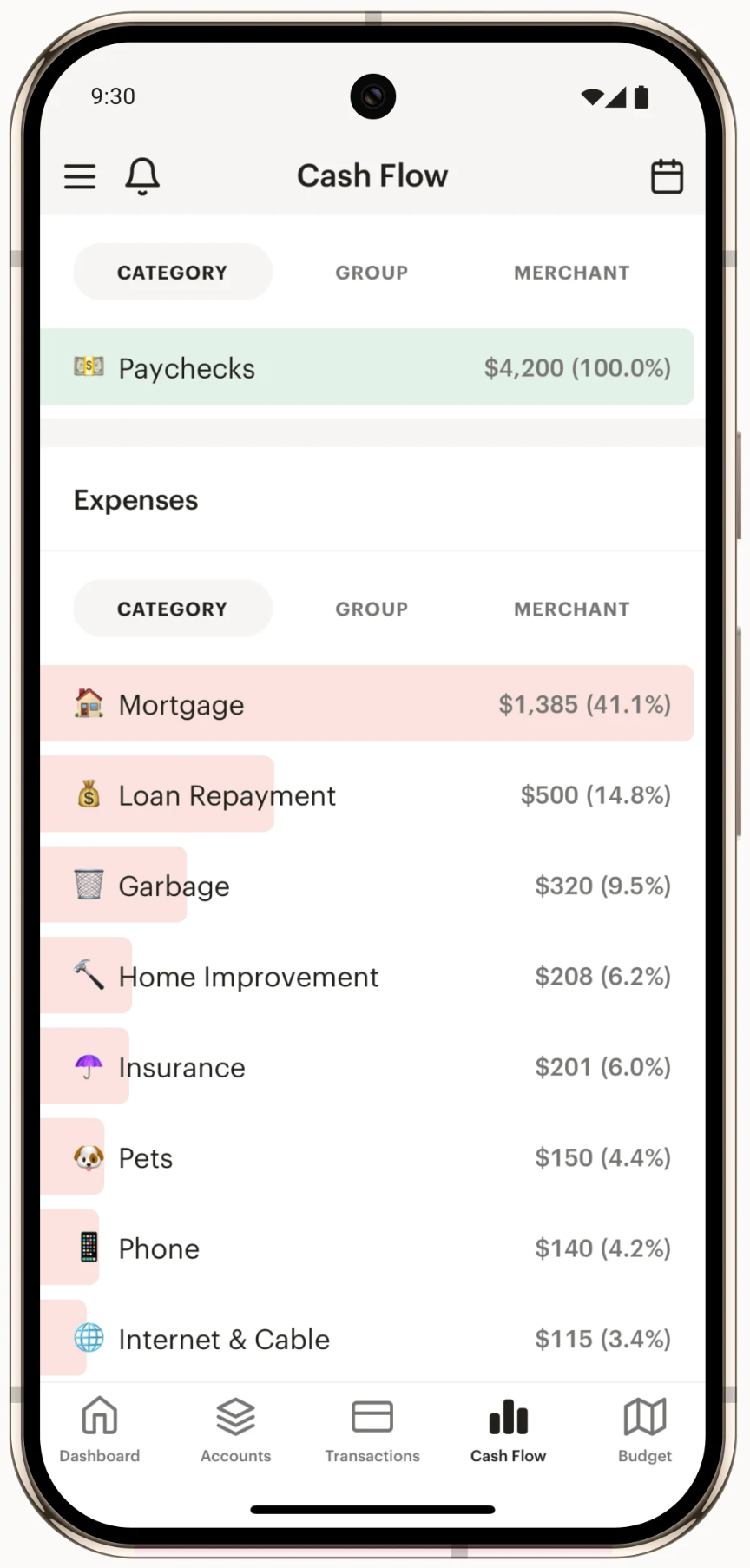
Forbes Advisor's Top Budgeting App Picks Updated
Forbes Advisor refreshed its best budgeting apps list this week (4 days ago), singling out YNAB's zero-based budgeting approach where every dollar is "given a job." This method, the outlet notes, is particularly effective for people who want active control over discretionary spending.
Deep Dive
What Is Zero-Based Budgeting — and Should You Try It?
Zero-based budgeting (ZBB) has been gaining serious traction this week across multiple finance outlets. Unlike traditional budgeting, where you track what you've spent, ZBB asks you to allocate every dollar of income to a specific purpose before the month begins — so your income minus your allocated spending equals zero.
Here's how it works in practice:
- List all income for the month (salary, freelance, side hustles).
- Assign every dollar to a category: rent, groceries, savings, debt payoff, entertainment, etc.
- Track as you spend — when a category runs out, you stop spending in it, or consciously move money from another category.
- Review and adjust at month's end.
The core benefit: it forces intentionality. You can't accidentally overspend because you've already decided where every dollar goes. Apps like YNAB are built entirely around this philosophy.
Who it's best for: People who feel their money "just disappears," those with irregular income who need tight discipline, or anyone trying to accelerate debt payoff or savings goals.
The trade-off: It requires roughly 15–30 minutes of setup at the start of each month and periodic check-ins. If you want a more passive, automated approach, apps like Monarch Money or PocketGuard (which connect to your bank and auto-categorize spending) may be better fits.
The good news highlighted by this week's coverage: free alternatives are emerging. Spend & Invest, for example, allows PDF statement uploads without requiring a bank login — a privacy-friendly option for those wary of connecting financial accounts to third-party apps.
This Week's Action
Audit your subscriptions this weekend.
One of the six money mistakes flagged by LiveMint this week is "underestimating small recurring expenses." This is a perfect weekend task: open your bank statement or credit card app and list every recurring charge. Highlight anything you haven't used in the past 30 days. Cancel at least one. Even cutting $15–$30/month adds up to $180–$360 per year — money that could go toward an emergency fund or debt payoff.
Tools to help: use a budgeting app like PocketGuard or Monarch Money to automatically surface recurring subscriptions in one place.
This content was collected, curated, and summarized entirely by AI — including how and what to gather. It may contain inaccuracies. Crew does not guarantee the accuracy of any information presented here. Always verify facts on your own before acting on them. Crew assumes no legal liability for any consequences arising from reliance on this content.
Powered by
