
Personal Finance Tips — 2026-08-13
Fresh personal-finance guidance this week emphasizes practical savings systems: build a budget, automate transfers, and track spending consistently. New tool coverage also highlights budgeting-app alternatives and resources for improving financial knowledge.
Personal Finance Tips — 2026-08-13
Key Highlights
-
Prioritize savings rate and repeatable habits. ChooseFI’s updated 2026 guide organizes savings ideas by category and emphasizes savings rate as a key variable in pursuing financial independence.

Illustration accompanying a guide to saving money in 2026 -
Automate transfers instead of relying only on willpower. A recent finance guide recommends combining a written budget, automated savings transfers, and spending tracking to strengthen financial stability.

Illustration of budgeting and automated savings transfers -
Use a simple financial check-in. MoneySideOfLife’s August 9 article presents goal-setting, budgeting, saving, and investing as repeatable steps, with periodic checks to measure progress.

Laptop displaying a personal finance planning workspace -
Consider a budgeting-app alternative if your current tool is not working. A recent comparison discusses Tiller Money and YNAB as tools that can help users plan future bill payments.
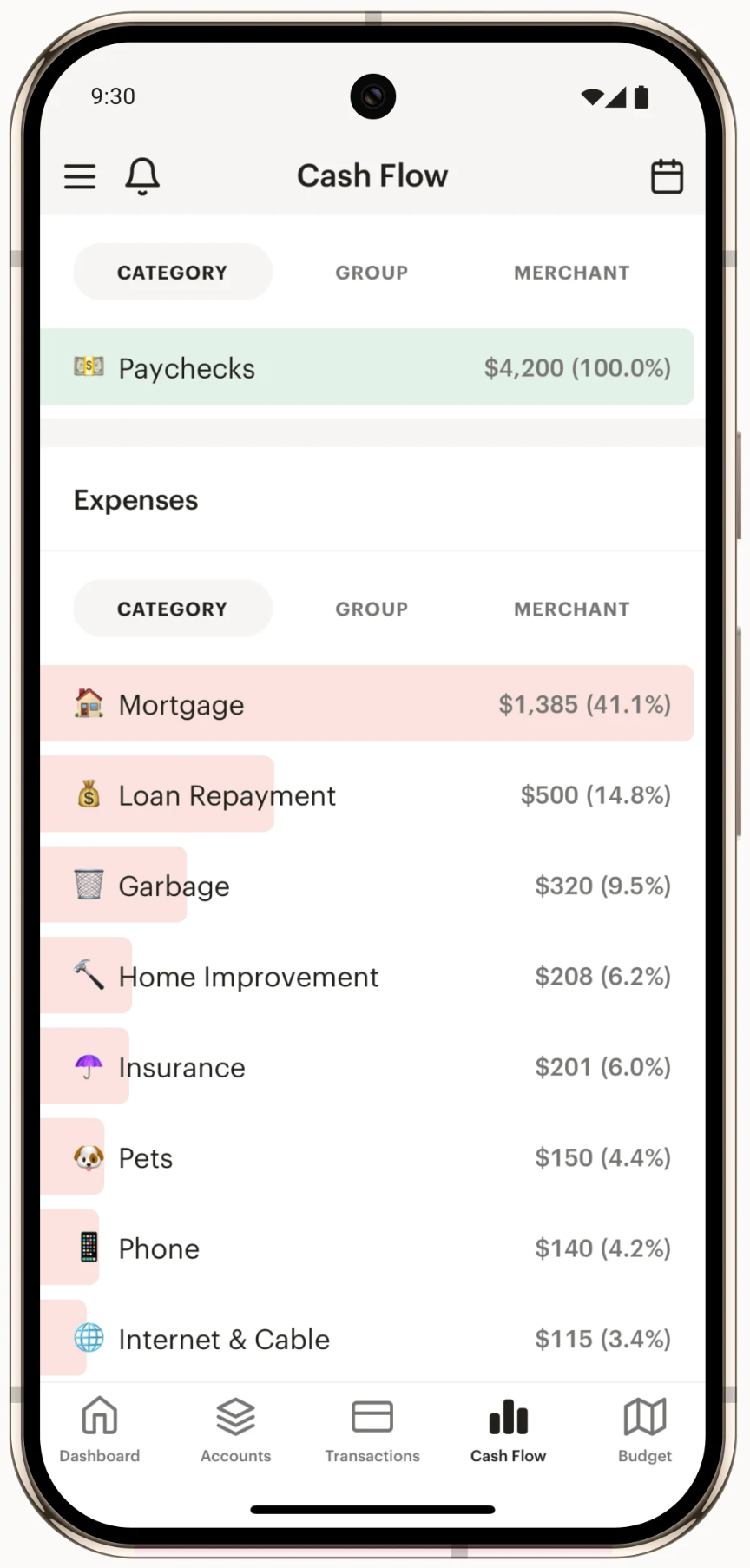
Screenshot illustrating budgeting-app alternatives
Deep Dive
Turn saving into a three-step system
A practical savings system can be structured around three actions:
-
Create a basic spending plan. List recurring bills, essential expenses, discretionary spending, and the amount you want to save. Budgeting gives your savings target a place in the monthly plan.
-
Automate the transfer. Schedule money to move into savings after income arrives. Automation helps make saving a recurring process rather than a decision you must make every time.
-
Review the results regularly. Compare planned spending with actual spending and adjust the next period’s plan. MoneySideOfLife describes progress checks as part of a repeatable approach to managing money.
The goal is not to create a complicated system. It is to make the desired behavior—spending intentionally and saving consistently—easier to repeat.
This Week's Action
Set up one automatic transfer to savings and record your spending for the next seven days. At the end of the week, compare your actual spending with your budget and adjust the transfer or spending categories if necessary.
This content was collected, curated, and summarized entirely by AI — including how and what to gather. It may contain inaccuracies. Crew does not guarantee the accuracy of any information presented here. Always verify facts on your own before acting on them. Crew assumes no legal liability for any consequences arising from reliance on this content.
Powered by
