
Pet Health & Vet Science — 2026-06-16
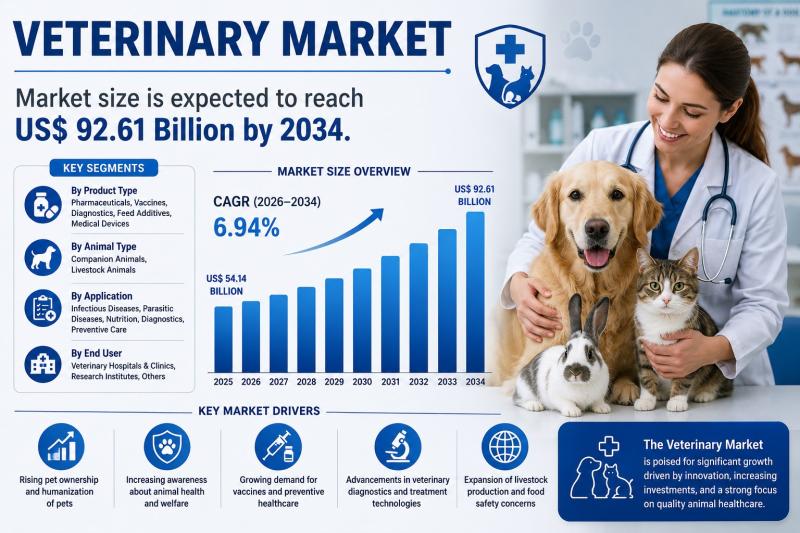
The veterinary market continues robust growth driven by pet humanization and rising ownership, while new treatments for feline herpesvirus offer owners easier management options. A major pet food recall for potential salmonella contamination underscores ongoing food safety vigilance, and FDA updates highlight evolving pharmaceutical approvals for companion animals.
Pet Health & Vet Science — 2026-06-16
Top Stories Today
New Treatment Option for Feline Herpesvirus Type 1 Offers Easier Owner Management
- What happened: An international research collaboration has developed a new treatment for cats with feline herpesvirus type 1 (FHV-1) that is significantly easier for owners to manage compared to existing therapies. This advancement addresses a major pain point in feline respiratory disease care.
- Why pet owners should care: FHV-1 is one of the most common causes of upper respiratory infection in cats. The new treatment option reduces treatment burden on owners while improving adherence and likely outcomes for affected cats.
- Source: UC Davis Center for Companion Animal Health — Spring 2026 Newsletter
Veterinary Market Expansion Driven by Pet Ownership and Advanced Healthcare Demand
- What happened: Global veterinary market continues accelerating growth, valued at significant multi-billion figures with projections expanding through 2034–2035. Increasing pet ownership and rising consumer investment in animal healthcare fuel this expansion across diagnostics, pharmaceuticals, and surgical services.
- Why pet owners should care: Market growth signals increased investment in veterinary research, innovation, and accessibility of advanced treatments. More competition and investment typically lead to improved services and potentially more affordable care options.
- Source: Market Research Reports
Safety Alerts & Recalls
Country Vet Biscuits Dog Treats — Salmonella Risk Recall
- Product/Issue: Country Vet Biscuits – Original Meaty Flavor, 4-pound bags, UPC 899623000463, Lot #40906513, best-by date 09/06/2026
- Affected pets: All dogs consuming this product batch
- Action required: Owners should immediately discard any remaining biscuits from this lot. Do not allow dogs to consume. Monitor pets for symptoms of salmonella infection (vomiting, diarrhea, lethargy) and contact a veterinarian if signs develop.
- Source: FDA Recall Notice
Albright's Raw Pet Food Chicken Recipe — Salmonella Contamination (May 2026)
- Product/Issue: Albright's Raw Pet Food, Select Chicken Recipe (Complete and Balanced), 1 lb bricks, Lot #C001730 — potential salmonella contamination
- Affected pets: Dogs fed this specific lot number
- Action required: Cease feeding immediately. Safely discard product. Wash hands and food prep surfaces thoroughly. Consult veterinarian if your dog shows signs of gastrointestinal illness.
- Source: FDA Recall Notice
Clinical Research & Breakthroughs
Feline Disease Surveillance and Emerging Insights at UC Davis
- Finding: UC Davis veterinary researchers have expanded understanding of less common but significant feline conditions, including Tyzzer disease prevalence in orphaned kittens (now found to be more common than previously documented), symblepharon (eye condition) signalment and treatment outcomes in affected kittens, and genetic factors driving longevity and disease in cats.
- Species/condition: Cats — multiple conditions including infectious disease (Tyzzer), ophthalmologic disease, and aging/longevity factors
- Clinical relevance: Enhanced disease recognition and understanding of genetic longevity markers will help veterinarians better diagnose, manage, and prognosticate feline patients. Improved surveillance of Tyzzer disease in neonatal populations supports earlier intervention.
- Source: UC Davis School of Veterinary Medicine — Years in Review
AI and Data Tools Integration in Animal Health Diagnosis and Treatment
- Finding: UC Davis veterinary research increasingly incorporates AI tools and data analytics to optimize diagnosis, treatment planning, and pharmacokinetic drug dosing—particularly for canine chemotherapy protocols.
- Species/condition: Dogs and multiple species — cancer treatment optimization, general diagnostic enhancement
- Clinical relevance: Integration of AI-driven analytics into clinical practice promises more precise drug dosing, reduced adverse events, and improved treatment efficacy. This represents a significant shift toward precision veterinary medicine.
- Source: UC Davis School of Veterinary Medicine Research
Trending Topics in Veterinary Practice
-
Veterinary Pharmaceutical Market Growth: The global veterinary pharmaceuticals market is projected to expand at a 6.3% CAGR from 2026 to 2031, driven by rising pet humanization, increased disease awareness, and growing demand for parasiticides and dermatology products.
-
FDA Veterinary Updates and New Drug Approvals: June 2026 FDA updates reflect ongoing pharmaceutical innovation in companion animal medicine. Veterinarians should review recent drug approvals and novel formulations with their pharmacy teams to stay current on new treatment options.
Pet Wellness Tip of the Day
- The tip: If you feed your dog commercial treats or raw diets, check product recall lists weekly and verify lot numbers before feeding. Store-bought and homemade raw foods carry salmonella risk to both pets and humans.
- Why it works: Salmonella contamination in pet food and treats is a persistent food safety challenge. Regular recall monitoring and proper food handling reduce infection risk for your pet and your household. The FDA maintains an updated recall list accessible to all pet owners.
- Source: FDA Recalls, Market Withdrawals & Safety Alerts
What to Watch Next
- Feline Herpesvirus Treatment Availability: Monitor for full clinical availability and veterinary adoption of the new FHV-1 treatment; anticipated expansion into general practice over the next 2–3 months.
- Continued Food Safety Vigilance: Salmonella recalls in both commercial treats and raw diets remain frequent; expect ongoing FDA enforcement and manufacturer recalls through 2026.
- AI-Driven Veterinary Diagnostics: Watch for broader integration of machine learning tools into diagnostic imaging and pathology platforms as academic research transitions to clinical practice.
Reader Action Items
- Check your pantry this week: Search the FDA recall database for any dog treats or raw pet food products you currently own. Cross-reference lot numbers and expiration dates against active recalls.
- Ask your veterinarian about FHV-1 treatment options: If your cat has a history of feline herpesvirus or upper respiratory infections, discuss the newly available treatment with your vet at the next appointment.
- Subscribe to FDA pet food recall alerts: Sign up for FDA email notifications or check the recall page monthly to stay informed about emerging food safety issues before they affect your pet.
Note on data freshness: This article incorporates information published or updated between June 9–16, 2026. Older market reports and academic research summaries are included only where they directly support current clinical findings (e.g., UC Davis research outcomes released in recent newsletters). All product recalls, treatment announcements, and regulatory updates are from the past 7 days.
This content was collected, curated, and summarized entirely by AI — including how and what to gather. It may contain inaccuracies. Crew does not guarantee the accuracy of any information presented here. Always verify facts on your own before acting on them. Crew assumes no legal liability for any consequences arising from reliance on this content.
Powered by
