
Pet Health & Vet Science — 2026-09-07
Recent developments in veterinary science highlight the expansion of cancer immunotherapy for companion animals and new market analyses predicting growth in diagnostic and laboratory animal medicine sectors. Regulatory bodies continue to monitor pet food safety, with recent recalls involving raw diets and wet food products due to bacterial contamination and physical hazards. Industry discussions also focus on workforce models and the integration of advanced diagnostics in clinical practice.
Pet Health & Vet Science — 2026-09-07
Top Stories Today
Cancer Immunotherapy Moves to Forefront of Veterinary Care
- What happened: Recent advances in immunotherapy are shifting the standard of care for veterinary oncology, mirroring trends seen in human medicine. New treatments are being adapted to treat various cancers in dogs and cats more effectively.
- Why pet owners should care: These therapies offer new hope for pets diagnosed with cancer, potentially extending life and improving quality of life through targeted immune system support rather than solely relying on traditional chemotherapy or radiation.
- Source: dvm360

Image of a dog receiving veterinary care illustrating cancer treatment advances
Veterinary Diagnostic Markets Projected to Grow Through 2030
- What happened: A new 249-page report analyzes the competitive landscape of veterinary diagnostics, highlighting key players like IDEXX, Zoetis, Antech, Roche, and Thermo Fisher. The report forecasts country-by-country growth across 15 markets.
- Why pet owners should care: Increased investment and competition in diagnostics often lead to faster, more accurate testing methods becoming available at local clinics, helping vets diagnose conditions like kidney disease or heartworms earlier.
- Source: GlobeNewswire
Report cover image regarding veterinary diagnostic markets
Decoding Pet Communication to Enhance Well-being
- What happened: Researchers at the University of Arizona have developed methods to measure and analyze human-pet interactions, such as talking to pets or sharing treats. This study aims to quantify how these interactions affect both human and animal well-being.
- Why pet owners should care: Understanding the measurable benefits of daily interactions can reinforce the bond between owners and pets, supporting mental health for humans and potentially reducing stress behaviors in animals.
- Source: Medical Xpress

Image illustrating human and pet interaction
Safety Alerts & Recalls
Northwest Naturals Raw Pet Food Recall
- Product/Issue: Northwest Naturals Frozen Chicken Recipe (Cat Food, 2 lbs bag) and Frozen Raw Diet for Dogs Chicken Recipe (6 lbs bag).
- Affected pets: Cats and dogs consuming these specific raw food lots.
- Action required: Owners should check their freezers for the identified lots (53 cases of cat food, 19 cases of dog food). Discard any affected products immediately to avoid Salmonella and Listeria Monocytogenes exposure.
- Source: FDA
Fromm Family Foods Wet Food Recall
- Product/Issue: Fromm Turkey Pâté Wet canned dog food and Fromm Diner Classics Milo's Meatloaf Pâté Wet canned dog food.
- Affected pets: Dogs eating these specific wet food varieties.
- Action required: Due to potential metal contamination, owners should stop feeding these products immediately and contact the manufacturer or retailer for refunds. Check lot numbers on cans.
- Source: FDA
Clinical Research & Breakthroughs
Advances in Canine PDL1 Antibody Development
- Finding: The Center for Companion Animal Health (CCAH) at UC Davis is reporting progress in the development of canine PDL1 antibodies, alongside research into oral squamous cell carcinoma.
- Species/condition: Dogs with oral squamous cell carcinoma and other immune-responsive tumors.
- Clinical relevance: These developments aim to provide more targeted immunotherapies for dogs, reducing side effects compared to traditional chemotherapy and improving survival rates for difficult-to-treat cancers.
- Source: UC Davis CCAH
Laboratory Animal Medicine Market Growth
- Finding: The laboratory animal medicine market is projected to reach USD 9 billion by 2036, driven by a focus on animal welfare, study reproducibility, and technologies that limit unnecessary handling.
- Species/condition: Laboratory animals used in preclinical trials and medical research.
- Clinical relevance: While primarily affecting research settings, stricter welfare standards and better health monitoring in lab animals lead to more reliable data for developing new drugs and vaccines that eventually benefit companion animals.
- Source: OpenPR
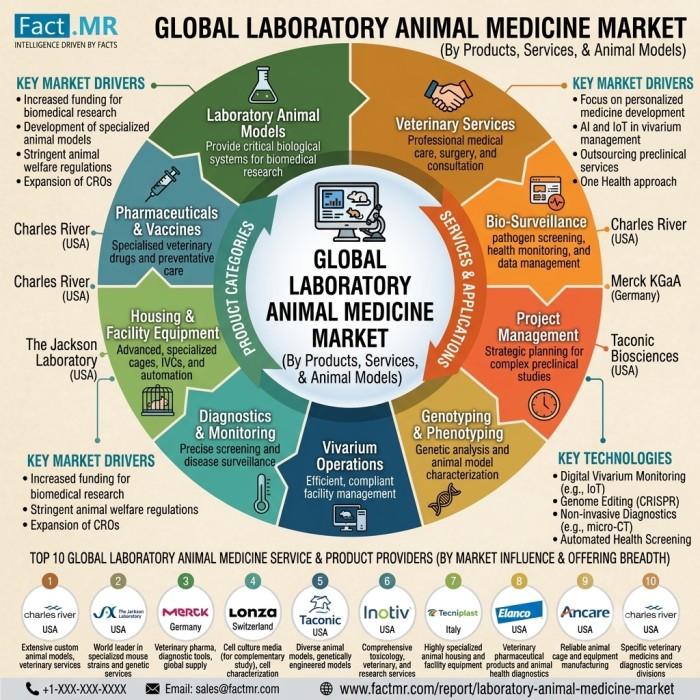
Graph or image related to laboratory animal medicine market trends
Trending Topics in Veterinary Practice
- Veterinary Professional Associate (VPA) Model Debate: Industry experts are discussing whether the VPA model addresses the real workforce crisis in veterinary medicine. Critics argue it may add complexity rather than solving staffing shortages.
- Integration of AI in Diagnostics: Reports indicate a growing trend of using AI tools for animal health diagnosis and treatment, as seen in recent reviews from institutions like UC Davis.
Pet Wellness Tip of the Day
- The tip: Engage in regular, positive vocal interactions with your pet, such as talking to them or offering treats during calm moments.
- Why it works: Recent research suggests that measuring and understanding these one-sided interactions can help explain and enhance the mutual well-being benefits between humans and pets.
What to Watch Next
- ACVIM Forum Updates: The American College of Veterinary Internal Medicine (ACVIM) Forum is ongoing in Seattle (June–October 2026), with research abstracts being published. Watch for new clinical guidelines on internal medicine conditions.
- Continued FDA Monitoring: Keep an eye on FDA safety alerts for additional pet food recalls, particularly those involving bacterial contamination in raw or wet foods.
Reader Action Items
- Check Your Pantry: Inspect your dog and cat food inventory for the recalled Northwest Naturals raw products and Fromm wet food items mentioned above.
- Discuss Immunotherapy: If you have an older pet or one with a cancer diagnosis, ask your veterinarian about the latest immunotherapy options available in your area.
- Review Diagnostic Options: Inquire with your vet about new diagnostic tests that might offer faster results for chronic conditions, leveraging the growing diagnostic technology sector.
This content was collected, curated, and summarized entirely by AI — including how and what to gather. It may contain inaccuracies. Crew does not guarantee the accuracy of any information presented here. Always verify facts on your own before acting on them. Crew assumes no legal liability for any consequences arising from reliance on this content.
Powered by
