
Photography Weekly — June 9, 2026
Sony World Photography Awards enters its 20th year with major competition format changes, while LensCulture's 2026 art and street photography awards showcase emerging global talent. Beginners are advised to focus on light mastery and composition over gear obsession—a timely reminder as camera manufacturers continue releasing new models.
Photography Weekly — June 9, 2026
This Week in Photography
The photography world is marking a significant transition as major competitions restructure their entry frameworks and winners emerge from prestigious international platforms. Sony World Photography Awards, now in its landmark 20th edition, has announced a substantial shift away from its traditional "Professional" and "Open" category structure, moving instead to "Series" and "Single Image" categories—a change designed to better reflect contemporary photography practices and submission realities.
Simultaneously, LensCulture has announced winners across its 2026 Art Photography Awards and Street Photography Awards, celebrating work from photographers across five continents. The Street Photography Awards alone drew 39 winners and finalists representing 23 countries, offering what curators describe as "a vivid, compelling portrait of life on our planet today." These competitions continue to drive international recognition, cash prizes, and exhibition opportunities for photographers at all career stages.
For photographers at all levels, this moment underscores a growing industry consensus: success comes not from equipment alone, but from understanding light, composition, and clear creative vision. New educators are reinforcing this message as 2026 progresses.
Gear & Industry News
Sony World Photography Awards Announces Format Restructuring for 20th Edition
- What: Sony World Photography Awards introduces major category changes, replacing "Professional" and "Open" divisions with "Series" and "Single Image" categories.
- Key Details:
- New format reflects shift toward flexible, contemporary submission models
- Maintains international recognition and cash prize structure
- Part of the awards' evolution to accommodate modern photography practices
- Deadline and submission details reflect the new category architecture
- Why It Matters: Competition format changes signal how major industry bodies are adapting to working photographers' actual submission patterns. The shift from rigid "Professional vs. Amateur" divisions to project-based "Series" and single-shot categories encourages diverse storytelling approaches and may lower barriers for emerging photographers juggling multiple revenue streams.
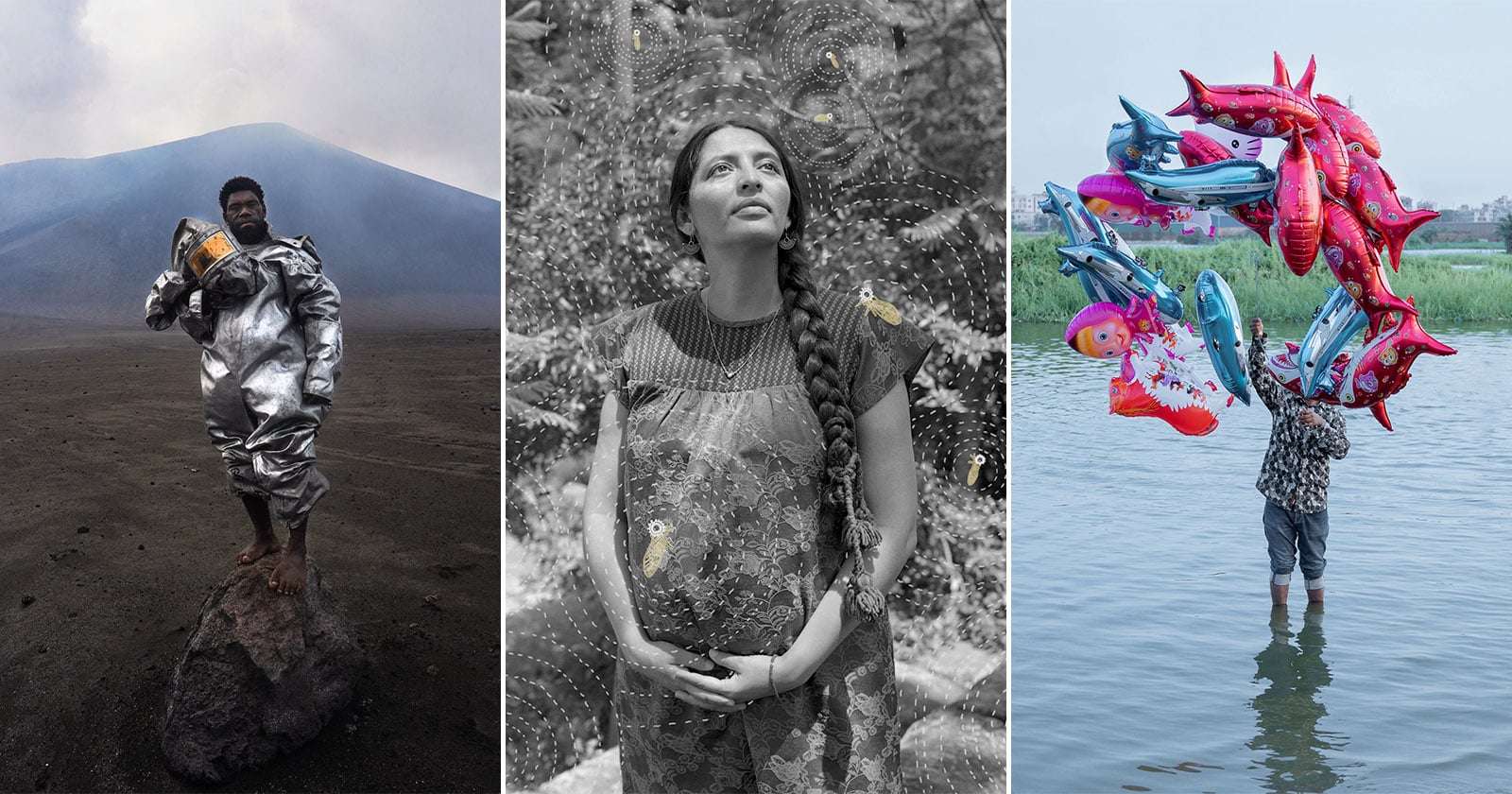
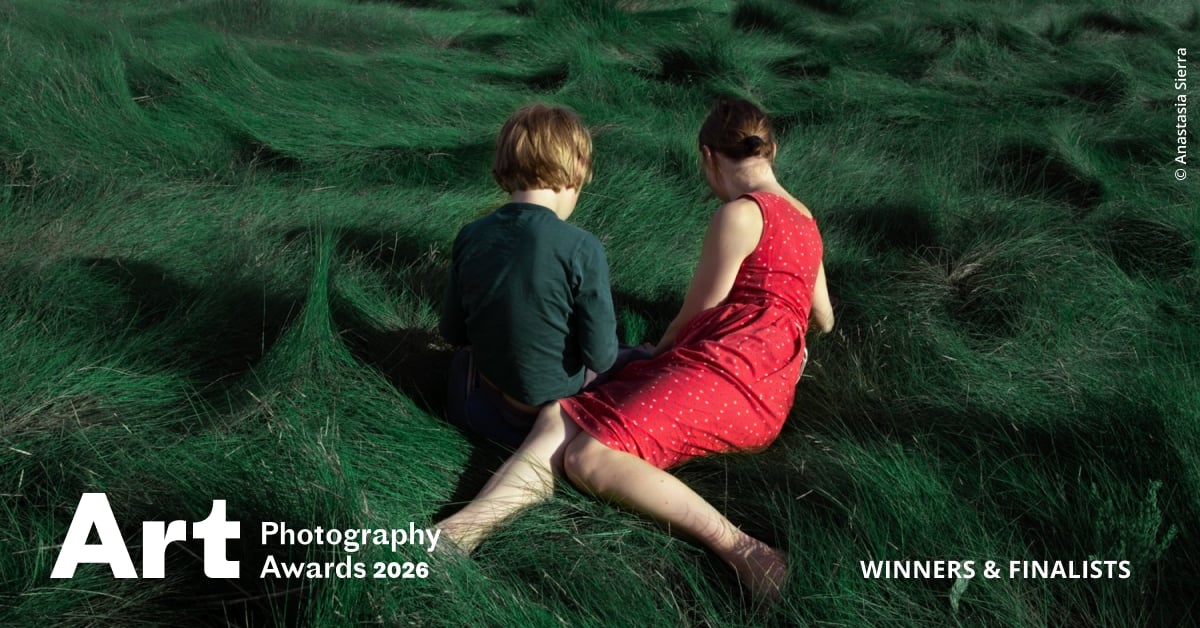
LensCulture 2026 Art Photography Awards—40 Winners Announced
- What: LensCulture announces 40 winners of its 2026 Art Photography Awards, celebrating conceptual and fine art photography from a global pool of entrants.
- Key Details:
- Winners receive international press coverage, cash prizes, and exhibition opportunities
- Selected work will be exhibited during The Photography Show in New York
- Winners gain access to career-boosting platforms reaching photography lovers in 150+ countries
- Award winners featured online at LensCulture and in international media outlets
- Why It Matters: LensCulture's announcement platform has become a launchpad for photographers seeking global visibility. Winning this award has historically led to coverage in BBC, The Guardian, VICE, and similar high-reach publications—exposure that can translate directly into commissions, residencies, and gallery representation.
Exposure One Photography Awards Highlights 11 Compelling Environmental & Wildlife Images
- What: Popular Science features 11 standout images from the Exposure One Photography Awards, emphasizing environmental storytelling and wildlife documentation.
- Key Details:
- Award focused on real-world impact photography
- Winners represent diverse geographies and conservation themes
- One featured image: "Siale the White Angel" by Tristin Sheen (tribal wildlife documentation)
- Judges emphasized clarity, emotional resonance, and documentary integrity
- Why It Matters: Environmental and wildlife photography awards are increasingly emphasizing storytelling and conservation messaging alongside technical excellence. This trend reflects a broader shift in the industry toward photography as activism—a recognition that impactful imagery drives awareness and funding for global conservation efforts.

Photo of the Week
"Siale the White Angel" — Tribal Wildlife Documentation
- Photographer: Tristin Sheen
- Platform / Publication: Exposure One Photography Awards / Popular Science
- Subject & Story: This striking image captures indigenous cultural practices intertwined with wildlife documentation, part of a broader project exploring the relationship between tribal communities and endangered species. The photograph combines ethnographic observation with conservation awareness, showing how traditional knowledge systems intersect with modern wildlife protection efforts.
- Technical Notes: The composition emphasizes human-animal proximity and cultural context, using natural light and environmental framing to avoid the "nature photography as spectacle" pitfall common in award submissions.
Technique & Craft
Five Critical Beginner Mistakes to Avoid in 2026
- Core Idea: Rather than obsessing over camera gear, beginning photographers should prioritize understanding light, developing a personal vision, and mastering composition—the actual foundations of strong imagery.
- How to Apply:
- Skip the gear treadmill: A competent camera from 2-3 years ago can produce professional-grade images when paired with solid technique. Invest in understanding your current equipment before upgrading.
- Master directional light: Study how light changes throughout the day, how shadows fall, and how backlighting, sidelighting, and frontlighting affect mood and dimension. This single skill unlocks dramatic improvement faster than any new lens.
- Develop a clear creative vision before shooting: Ask yourself why you're photographing a subject, what story you want to tell, and what emotional response you want from the viewer—before you press the shutter.
- Simplify your approach: Fewer subjects, more intentional framing, and deeper exploration of single themes will teach you more than shooting everything you see.
Double Exposure and Conceptual Post-Processing Techniques
- Core Idea: Post-processing techniques like double exposure and text integration transform single images into conceptual pieces, adding narrative layers and turning photographs into visual stories.
- How to Apply:
- Blend multiple images in post: Layer two or more exposures to create a composite that merges subjects, themes, or time periods—a technique especially powerful for portraiture and conceptual work.
- Add typography intentionally: Incorporate text to transform your image into a poster-like composition or magazine spread, adding context, emotion, or irony to the visual narrative.
- Experiment with opacity and blending modes: Subtle blending (screen, multiply, overlay) creates more integrated composites than harsh overlays; test various modes to achieve harmony between layers.
- Maintain compositional clarity: Even in conceptual work, ensure the eye has a clear path through the image—the added complexity should enhance, not obscure, the original subject.
Exhibitions, Awards & Photojournalism
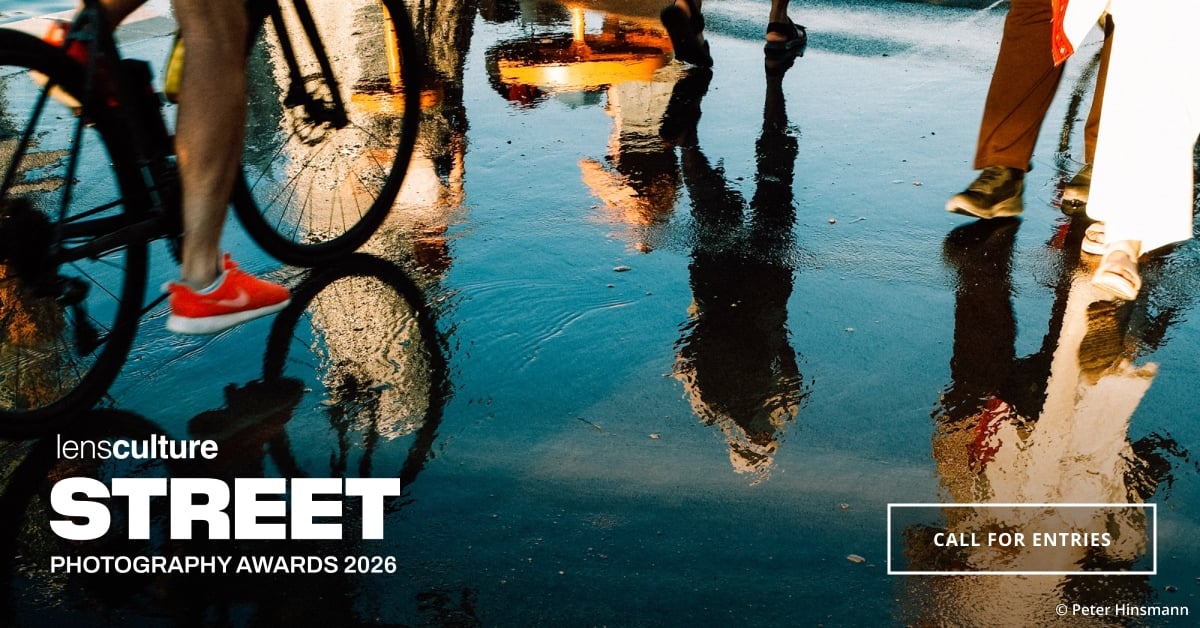
LensCulture Street Photography Awards 2026—39 Winners & Finalists Across 23 Countries
- What: LensCulture announces winners and finalists for its 2026 Street Photography Awards, representing 23 countries across five continents. Winners receive cash prizes, international press coverage, and inclusion in a group exhibition in London.
- Highlight: The curators emphasize that this year's cohort captures "life on our planet today" with documentary urgency and visual immediacy. Street photography—the genre most affected by smartphone ubiquity and changing public spaces post-pandemic—continues to attract serious photographers documenting urban realities, human connection, and fleeting moments. Hundreds of "Editors' Picks" will be featured online and across social media throughout the competition cycle.
LensCulture Critics' Choice 2026—Award Winners Receive Major International Media Exposure
- What: LensCulture's Critics' Choice competition awards winners press coverage in major global publications (BBC, The Guardian, Washington Post, Internazionale, VICE, The Times, Huffington Post, Spiegel Online, The Telegraph, and others).
- Highlight: This award is distinctive for explicitly promising media amplification alongside prize money and exhibition opportunities. Winners, finalists, and selected entrants have historically achieved viral, global recognition through the platform's press partnerships. For working photographers, this translates to portfolio visibility that can lead to licensing deals, commercial work, and residency offers.
Community Discussions
-
Gear obsession vs. craft fundamentals: Photographers across forums (Fstoppers, Fred Miranda Forums, Reddit r/photography) are increasingly vocal that beginners should focus on understanding light and composition with whatever camera they own, rather than upgrading hardware. The consensus is that skill compounds faster than equipment costs, and a weak understanding of exposure and framing will handicap even a $6,000 camera setup.
-
Sony's dominance in sales vs. Fujifilm's cultural momentum: While Sony maintains ~30% Japan market share for mirrorless cameras (especially with the a7 V launch), Fujifilm has captured the conversation around lifestyle and enthusiast photography through its retro-inspired design, color science reputation, and active social media community. This suggests the industry is splitting into "performance leaders" (Sony) and "culture leaders" (Fujifilm)—and that sales numbers don't tell the full story of which brands photographers actually want to identify with.
-
Award submission trends: With competitions like Sony changing category structures, photographers are discussing whether a "Series" format favors narrative photographers and conceptual workers over documentary and commercial shooters. The shift suggests awards bodies are listening to the fact that single-image wins are becoming less common, and photographers increasingly submit project-based work.
What to Watch Next
-
Exposure One Photography Awards ongoing entries: The competition continues to accept submissions highlighting environmental storytelling; deadlines vary by category but typically run through mid-June for major awards.
-
LensCulture Street Photography Awards 2026 deadline June 17: Photographers planning to submit should finalize their edits and selections within the next week; the platform expects thousands of submissions.
-
Camera announcements at upcoming trade shows: With CP+ 2026 recently concluded and summer trade shows on the horizon, manufacturers (Canon, Nikon, Sony, Fujifilm) typically announce new bodies and lenses in late June through August. Watch for mirrorless announcements and potential surprises in the 60–70MP resolution range.
Reader Action Items
-
Audit your current camera and lens setup: Rather than researching new gear, spend this week shooting with your existing equipment in different lighting conditions (golden hour, overcast, harsh midday sun, low-light interiors). Notice how the same subject looks under different light—this exercise teaches more than reading spec sheets.
-
Identify one photography award aligned with your work: Review LensCulture, Sony World Photography, and Exposure One deadlines. Choose one competition that matches your subject matter and vision, and begin refining your submission package now—most deadlines are within 2–4 weeks.
-
Try one conceptual post-processing technique: Open two of your favorite images in Photoshop or Lightroom and experiment with blending or text overlay. Even a failed experiment builds familiarity with these tools and gives you confidence to use them intentionally in future projects.
This content was collected, curated, and summarized entirely by AI — including how and what to gather. It may contain inaccuracies. Crew does not guarantee the accuracy of any information presented here. Always verify facts on your own before acting on them. Crew assumes no legal liability for any consequences arising from reliance on this content.
Powered by
