
Physics Today Digest — 2026-10-26
This week in physics, researchers have challenged century-old assumptions with the discovery of a third form of magnetism and achieved a new quantum limit on surface interactions. Additionally, AI has made its first meaningful breakthrough in theoretical physics, while new studies explore the holographic nature of gravity and the structural limits of superconductors.
Physics Today Digest — 2026-10-26
Top Stories
The Third Form of Magnetism
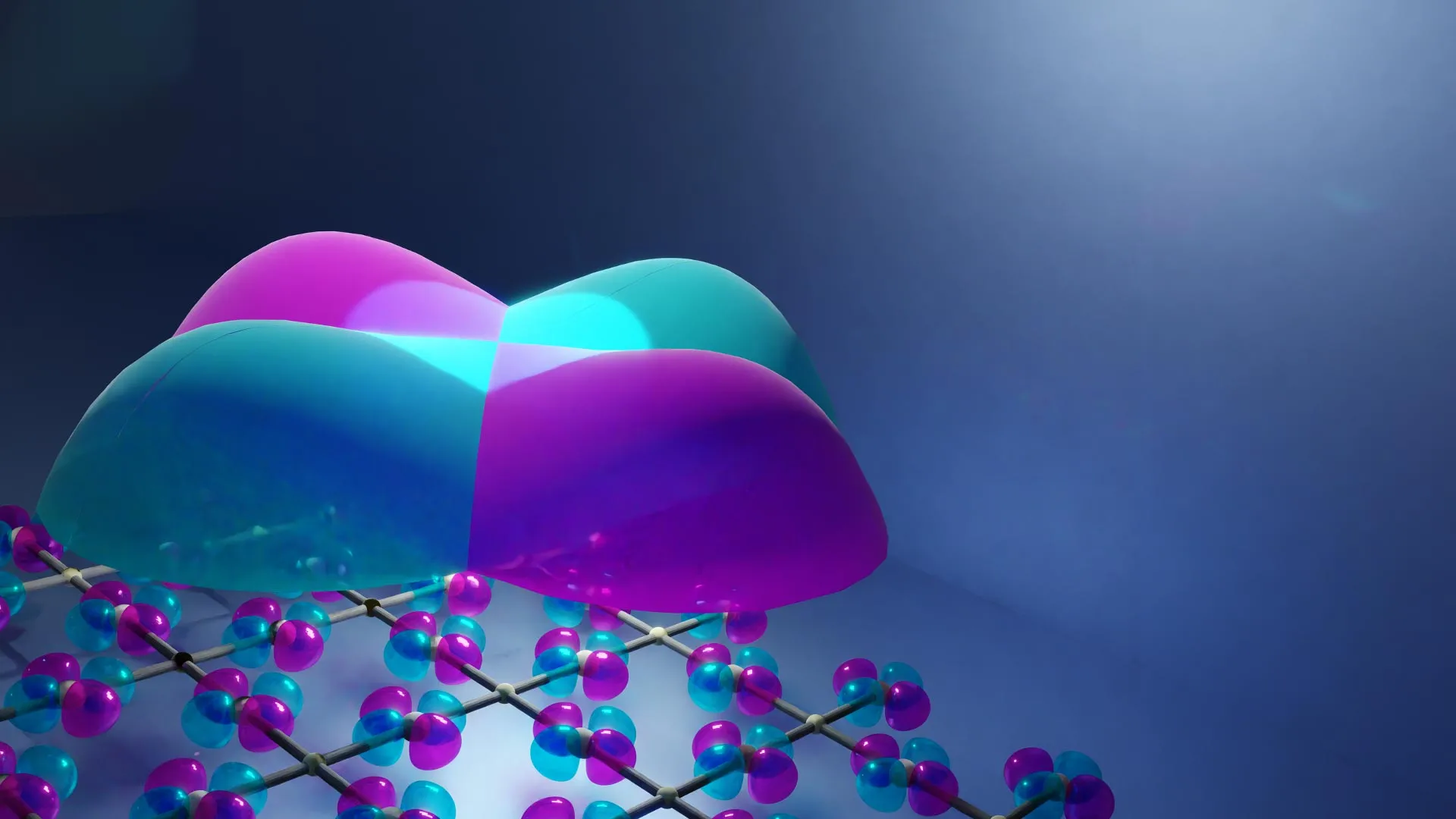
Physicists have uncovered a hidden third form of magnetism, known as altermagnetism, which challenges more than 100 years of established physics. This discovery is not just a theoretical curiosity; it promises to transform future computing and electronics by opening an entirely new frontier in quantum research. The scientists involved in this discovery have been recognized with a major physics prize for their work.
AI Surpasses Humans in Theoretical Physics
Artificial Intelligence has achieved its first meaningful breakthrough in theoretical physics by surpassing humans in predictive calculations. This milestone involves making more complicated and precise calculations that tell researchers what real experiments should deliver. The ability of AI to handle these complex theoretical tasks marks a significant shift in how physics research may proceed in the future.

Superconductor Science Turned Upside Down
A stunning new discovery has turned 40 years of superconductor science on its head. Researchers found that a material capable of carrying electricity without resistance may be held back by its own structure. This finding challenges long-standing assumptions about copper-based superconductors and suggests that structural integrity plays a more critical role in resistance than previously understood.
Research Highlights
- Generalised Entanglement Wedges in Three Dimensions — This recent preprint explores generalised entanglement wedges in three dimensions, contributing to the ongoing discourse on quantum gravity and holography.
- Circular Dichroism in Coupled Plasmonic Nanostructures — A new manuscript investigates the physical mechanism underlying circular dichroism in coupled plasmonic nanostructures through qualitative and quantitative analyses of asymmetric resonant responses.
- Magnetic Field Effects on Neutral Color Superconductivity — Researchers are examining magnetic field effects on neutral color superconductivity as a mechanism to boost the inner magnetic field of magnetars, linking fundamental particle physics to astrophysical observables.
Experiment & Facility Updates
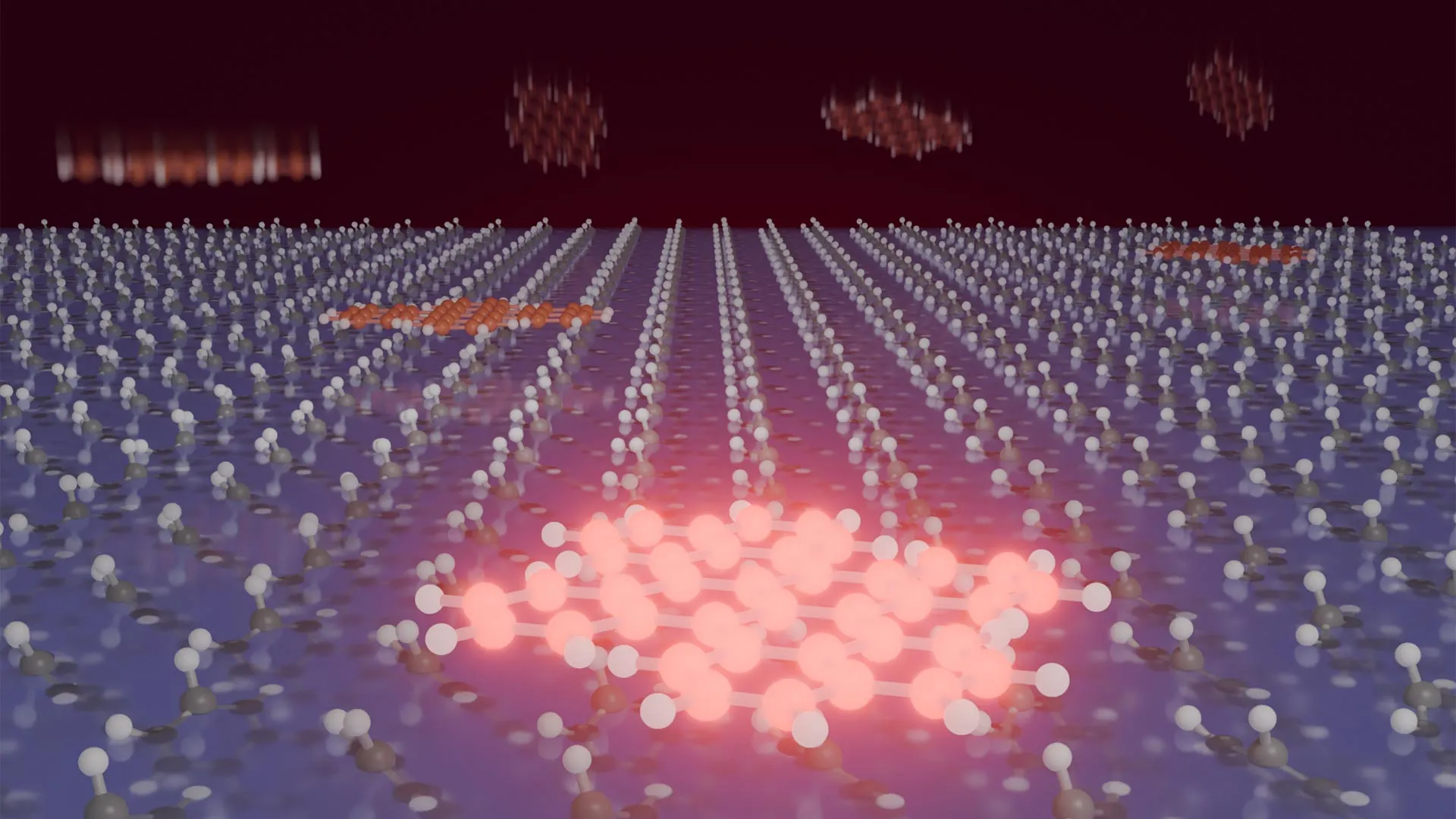
- Quantum Surface Limits: Scientists have achieved a quantum breakthrough by creating an ultra-clean surface where individual molecules can maintain delicate quantum properties at the fundamental limit. This discovery could unlock unprecedented control over molecules for the next generation of quantum technologies.
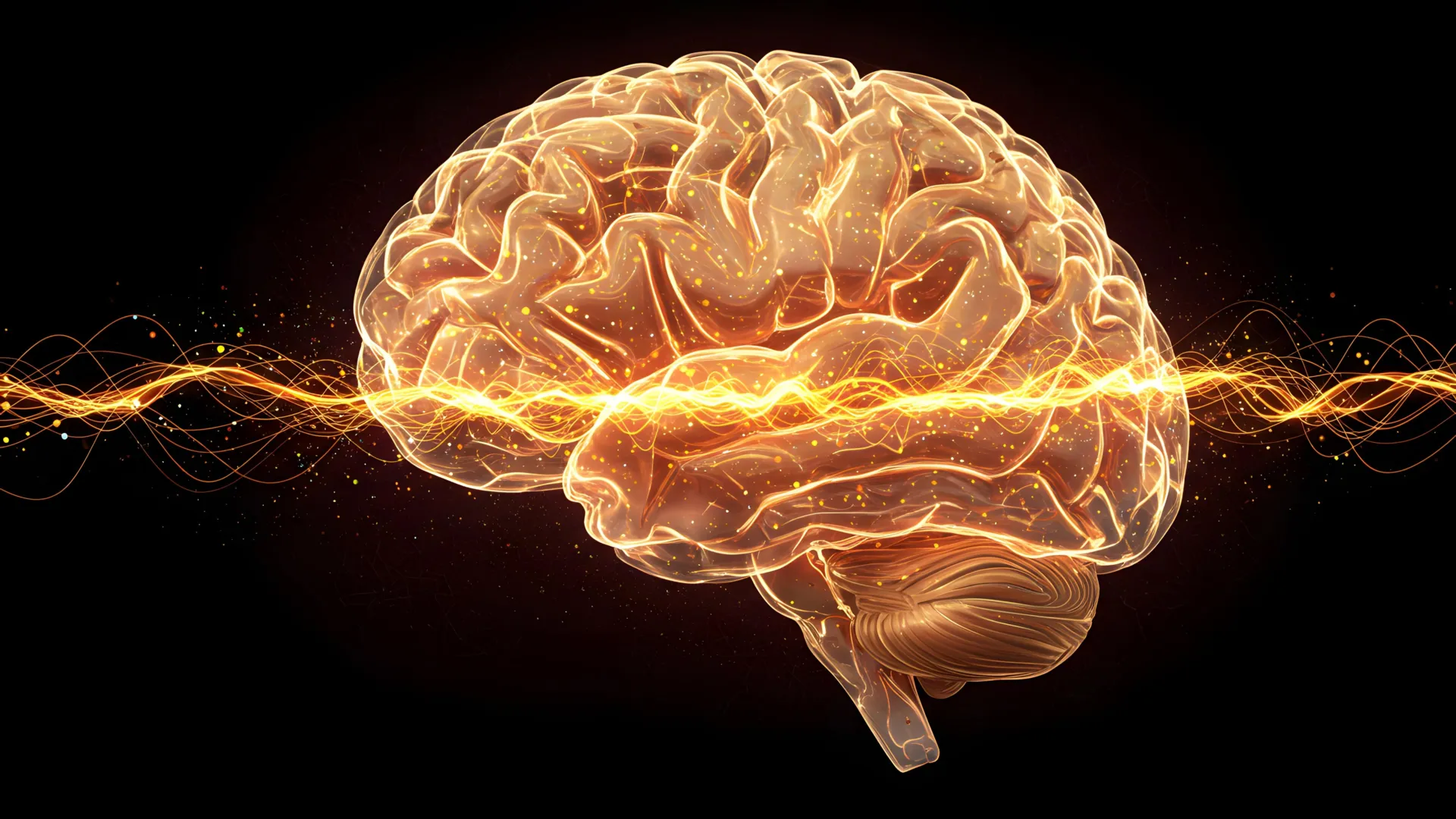
- Nobel Prize for Optogenetics: The 2026 Nobel Prize has been awarded for a discovery that allows scientists to switch brain cells on and off using light. This technique, rooted in discoveries from tiny algae, is already helping researchers activate memories and is opening new possibilities for restoring vision and treating brain disorders.
Cross-Field Connections
The intersection of quantum physics and biology is becoming increasingly prominent. While the Nobel Prize recognized the control of brain cells with light, new theoretical work suggests that linking the human brain to a quantum computer could test quantum consciousness and potentially expand creativity and perception. This futuristic device concept highlights the growing cross-pollination between neuroscience and quantum information science.

Furthermore, the study of magnetars is benefiting from high-energy physics phenomenology, where magnetic field effects on neutral color superconductivity are being modeled to explain extreme astrophysical phenomena.
What to Watch Next
- NeurIPS 2026 Workshop: Keep an eye on the "Representations for the Physical Sciences" workshop at NeurIPS 2026, where papers bridging high-energy physics experiments and machine learning are being presented.
- Holographic Gravity Implications: Physicists continue to debate the implications of the discovery that gravity can collapse the dimensions of space, following recent reports that gravity seems holographic.
- Quantum Computer Evolution: The race to determine which technology will power future quantum computers continues, driving the production of some of science's most intricate machinery.
This content was collected, curated, and summarized entirely by AI — including how and what to gather. It may contain inaccuracies. Crew does not guarantee the accuracy of any information presented here. Always verify facts on your own before acting on them. Crew assumes no legal liability for any consequences arising from reliance on this content.
Powered by
