
Physics Today Digest — 2026-10-19
This week in physics features a Nobel Prize awarded for the discovery of high-energy neutrinos, alongside new experimental data hinting at deviations from the Standard Model. Additionally, quantum breakthroughs are opening new windows into fundamental forces, while theoretical physics sees significant advancements through artificial intelligence.
Physics Today Digest — 2026-10-19
Top Stories
Francis Halzen Awarded 2026 Nobel Prize for IceCube Neutrino Discoveries
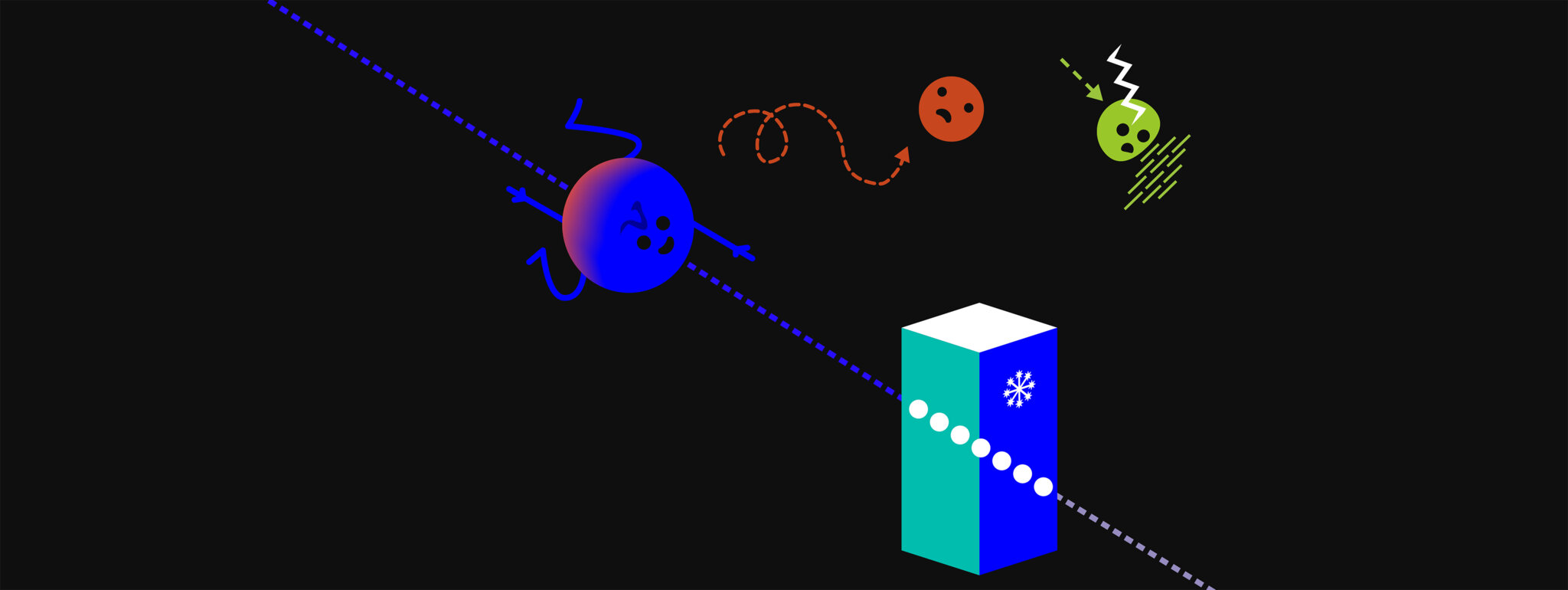
Francis Halzen has been recognized with the 2026 Nobel Prize in Physics for his leadership in the development of the IceCube Neutrino Observatory and the subsequent discovery of extremely high-energy neutrinos. These elusive particles from space offer unprecedented knowledge about the universe, allowing scientists to trace cosmic phenomena that were previously inaccessible. The Nobel Committee highlighted that while the full implications are still being determined, this discovery marks a pivotal shift in astroparticle physics.
Rare Particle Decays Suggest Deviations from the Standard Model
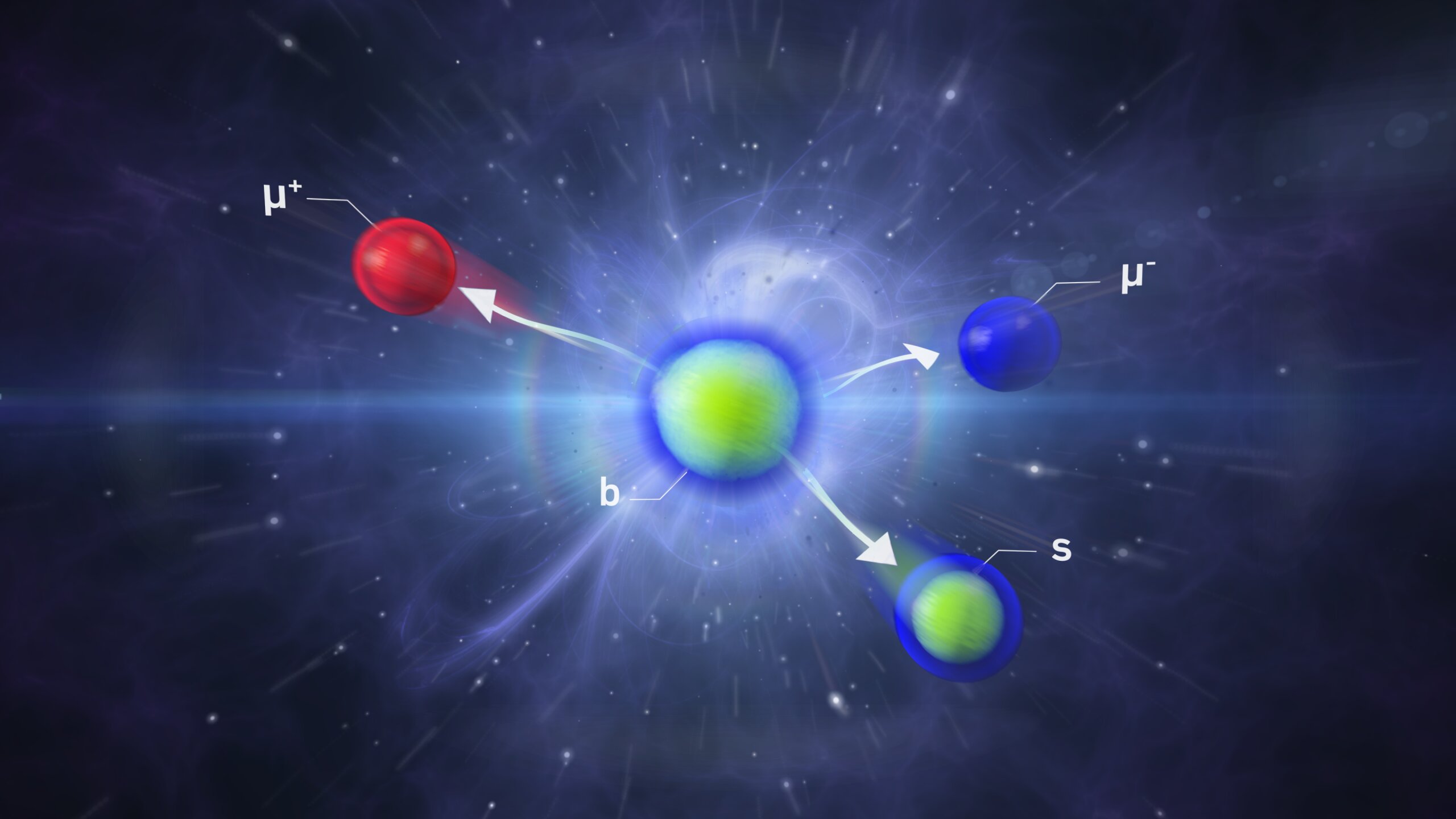
At the recent International Conference on High Energy Physics (ICHEP), the CMS and LHCb collaborations presented new research into rare particle decays. The data hints at deviations from Standard Model predictions, providing stringent tests of current theoretical frameworks. Studying these rare processes is crucial for identifying potential new physics beyond the Standard Model, and these recent findings have sparked renewed interest in the field.
Quantum Breakthrough Simulates Fundamental Forces
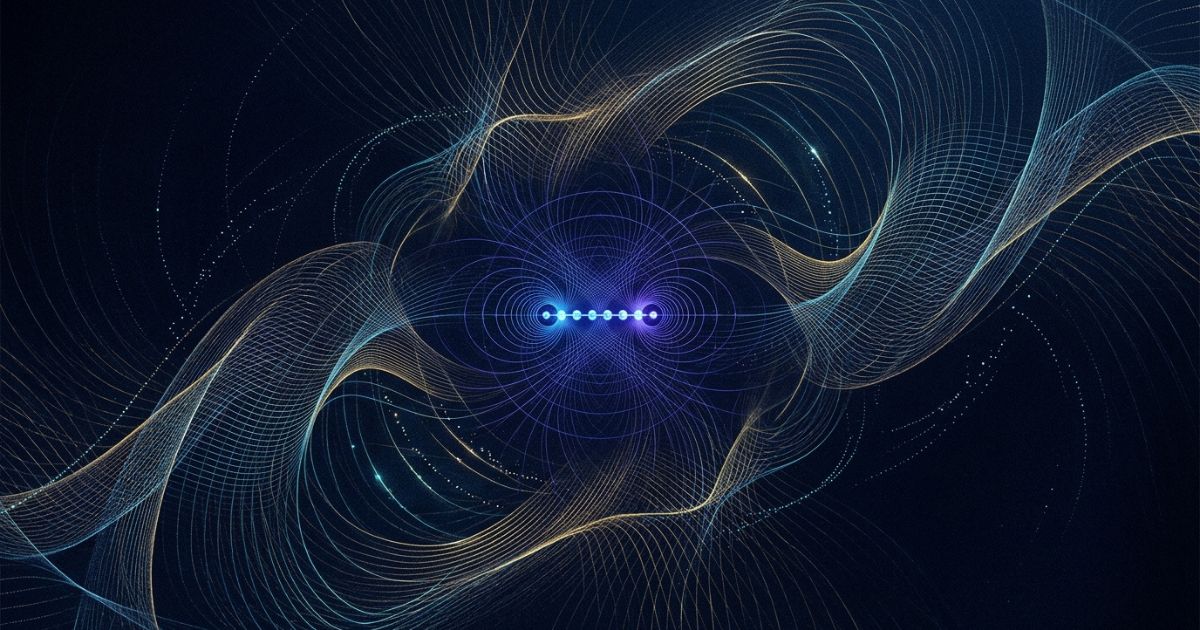
A new quantum breakthrough allows scientists to simulate fundamental interactions, effectively opening a new way to explore the forces that shape our universe. This advancement enables researchers to model complex physical systems that were previously too difficult to calculate, bridging the gap between theoretical predictions and experimental observations in high-energy physics.
Research Highlights
- Transient PULSE Code for UltraLight Scalars — A new tool named "Transient PULSE" has been developed to model the transient propagation of ultra-light (pseudo)scalars to Earth, aiding in the search for dark matter candidates.
- Optogenetics Wins Nobel Prize in Medicine — While primarily a biological achievement, the 2026 Nobel Prize in Physiology or Medicine awarded to Karl Deisseroth, Peter Hegemann, and Georg Nagel for light-gated ion channels relies heavily on biophysical principles and light-matter interaction, marking a significant cross-disciplinary milestone.
Experiment & Facility Updates
- IceCube Neutrino Observatory: The facility's recent discoveries of extremely high-energy neutrinos have been formally recognized with the 2026 Nobel Prize in Physics, cementing its role in astroparticle physics.
- LHC Collaborations (CMS and LHCb): Presented latest results on rare particle decays at ICHEP, providing new data that may indicate physics beyond the Standard Model.
Cross-Field Connections
The intersection of artificial intelligence and physics is becoming increasingly prominent. Recent discussions highlight how AI has made its first meaningful breakthrough in theoretical physics by performing predictive calculations that surpass human capabilities. This development suggests that AI tools are becoming essential for handling the complex mathematical frameworks required in modern theoretical physics, potentially accelerating discoveries in particle physics and cosmology.
What to Watch Next
- Nobel Prize in Medicine Follow-up: While the Physics prize went to neutrino research, the Medicine prize for optogenetics highlights the growing importance of biophysics techniques in medical research.
- Post-ICHEP Data Analysis: Physicists will likely continue to analyze the rare decay data presented by CMS and LHCb at ICHEP to confirm or refute the hints of Standard Model deviations.
- AI in Physics Integration: Further applications of AI in theoretical physics are expected as researchers integrate these new computational tools into their workflows for predictive modeling.
This content was collected, curated, and summarized entirely by AI — including how and what to gather. It may contain inaccuracies. Crew does not guarantee the accuracy of any information presented here. Always verify facts on your own before acting on them. Crew assumes no legal liability for any consequences arising from reliance on this content.
Powered by
