
Physics Today Digest — 2026-04-29
This week in physics, a landmark AI breakthrough uncovered entirely new laws of nature inside a "fourth state of matter," while a Penn State-led team delivered the most precise measurement yet on a particle long suspected of cracking the Standard Model — only to find it behaving perfectly. Meanwhile, the 2026 Breakthrough Prize ceremony recognized over $18 million in awards, with particle and dark matter physics taking center stage.
Physics Today Digest — 2026-04-29
Top Stories
AI Uncovers New Laws of Nature in Dusty Plasma
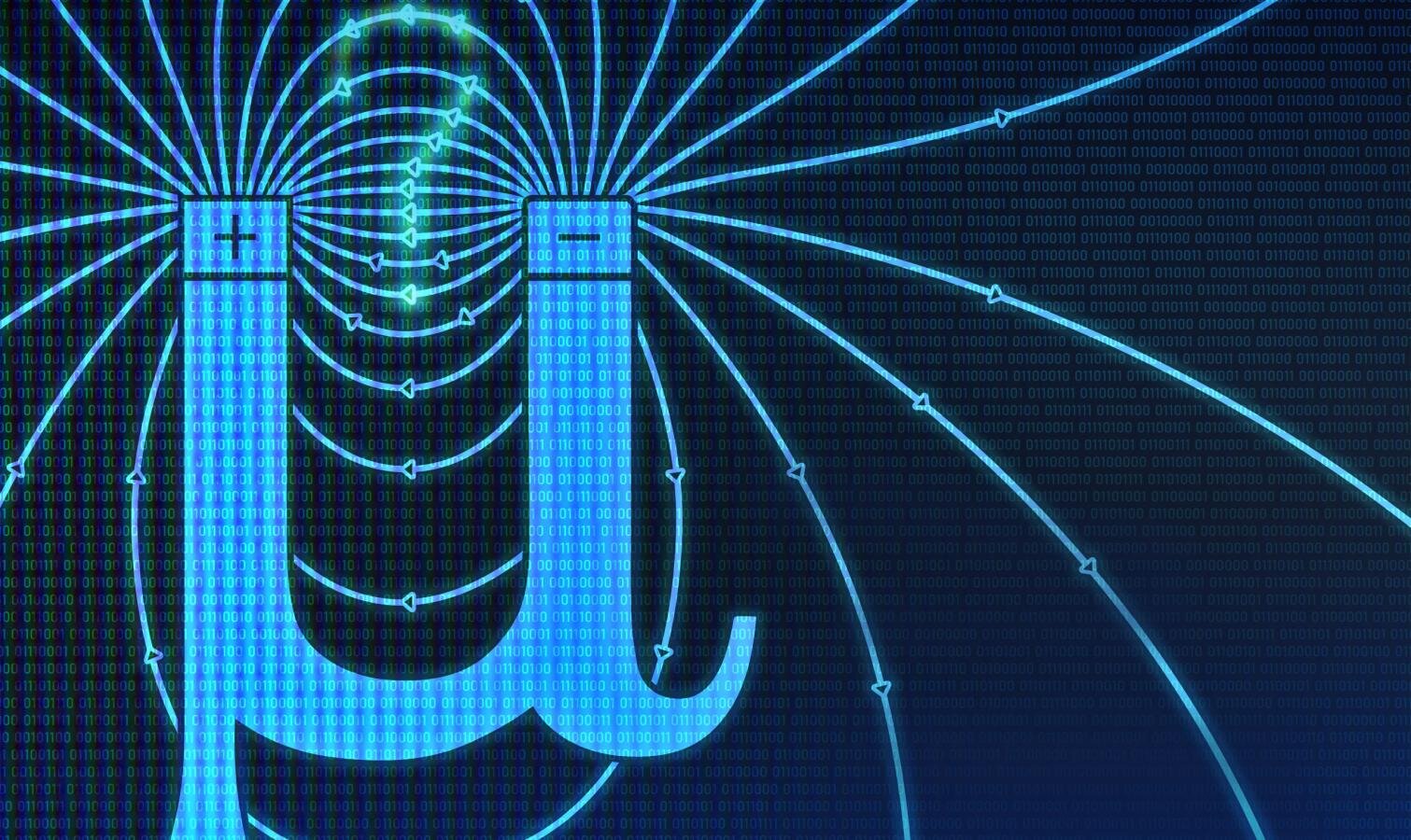
Physicists have taken a major step toward using artificial intelligence not just to analyze data, but to actively discover new laws of nature. By combining a specially designed neural network with precise 3D particle tracking inside a dusty plasma — a strange "fourth state of matter" found in environments ranging from deep space to semiconductor manufacturing plants — the team was able to extract entirely new governing equations directly from experimental observations.
The significance cannot be overstated: previous AI applications in physics largely confirmed known relationships or sped up existing calculations. This work pushes into genuinely uncharted territory, with the algorithm generating physics that researchers had not previously written down. Dusty plasmas, which consist of charged microparticles suspended in ionized gas, are notoriously difficult to model with traditional methods because particle interactions are complex and long-range.
The result opens a potential new paradigm for physics discovery — one in which AI acts as a co-investigator rather than merely a tool, scanning experimental data for structure that human intuition might miss. Researchers believe the approach could generalize to other complex physical systems where first-principles modeling remains elusive.
Particle Thought to Break Physics Follows the Rules After All
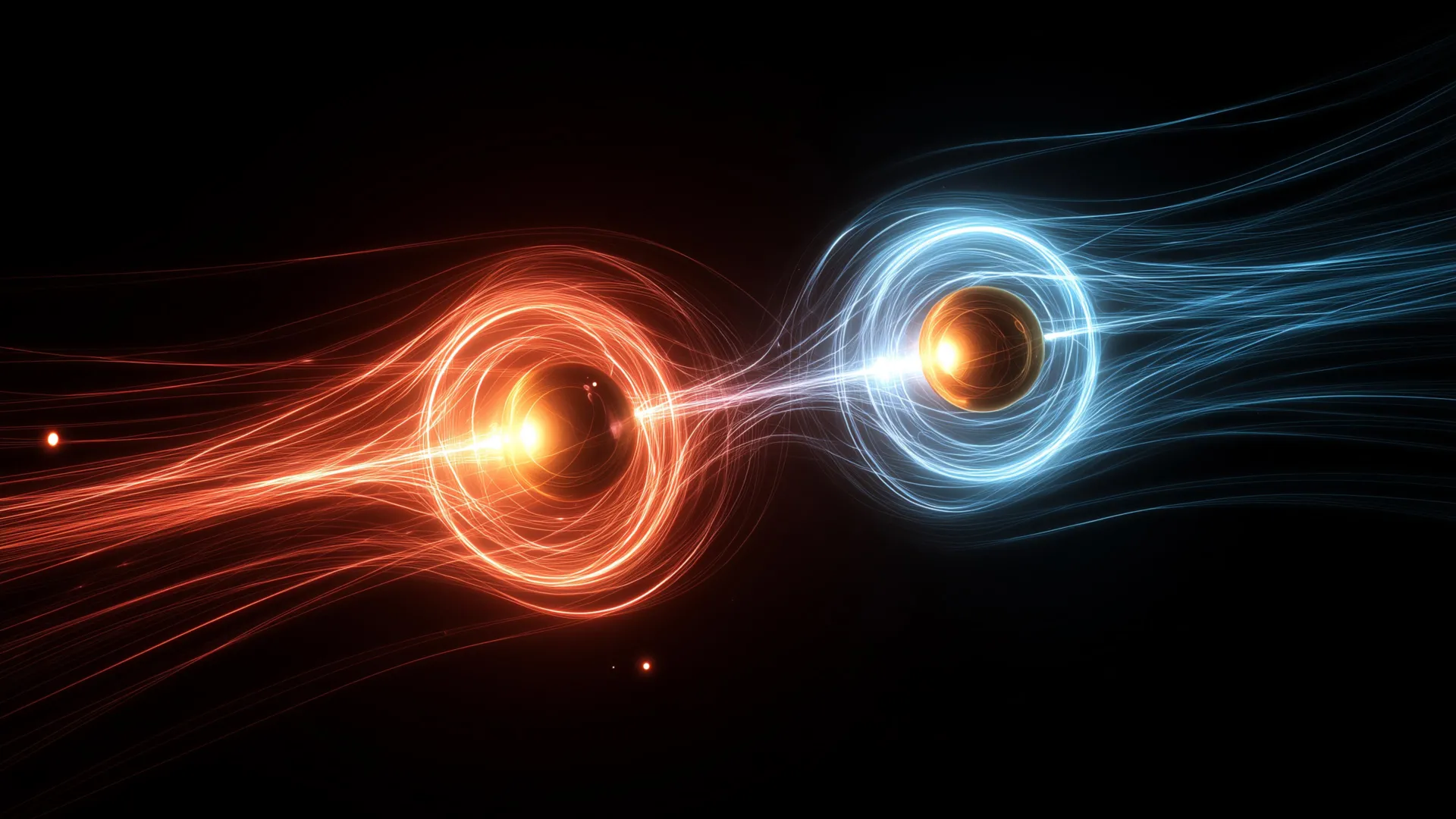
For decades, a subtle discrepancy in the behavior of the kaon — a short-lived subatomic particle — loomed as one of the most tantalizing hints of physics beyond the Standard Model, suggesting the existence of unknown forces or undiscovered quantum objects. Now, an international team led by a Penn State physicist has published the most precise study yet of this particle's behavior, and the verdict is striking: the kaon follows the rules.
The result is both a triumph and a disappointment for high-energy physics. On one hand, it confirms the extraordinary predictive power of the Standard Model, which continues to survive experimental scrutiny at extraordinary precision. On the other hand, it closes one of the most-watched potential windows into new physics, leaving theorists to search elsewhere for cracks in the framework.
The measurement, described as the most precise of its kind ever published, required years of data collection and analysis at major particle physics facilities. The team's findings will recalibrate where the field focuses its experimental attention as the search for beyond-Standard-Model physics continues.
2026 Breakthrough Prize Ceremony: $18M+ Awarded Across Physics and Science
The 2026 Breakthrough Prize — often called the "Oscars of Science" — distributed more than $18 million in awards this week, with physics receiving prominent recognition. The Muon g-2 collaboration, spanning experiments at Fermilab and Brookhaven National Laboratory, claimed the Breakthrough Prize in Fundamental Physics for its painstaking measurement of the anomalous magnetic moment of the muon. The prize is shared among researchers from dozens of institutions, including Cornell, Boston University, and the University of Liverpool.
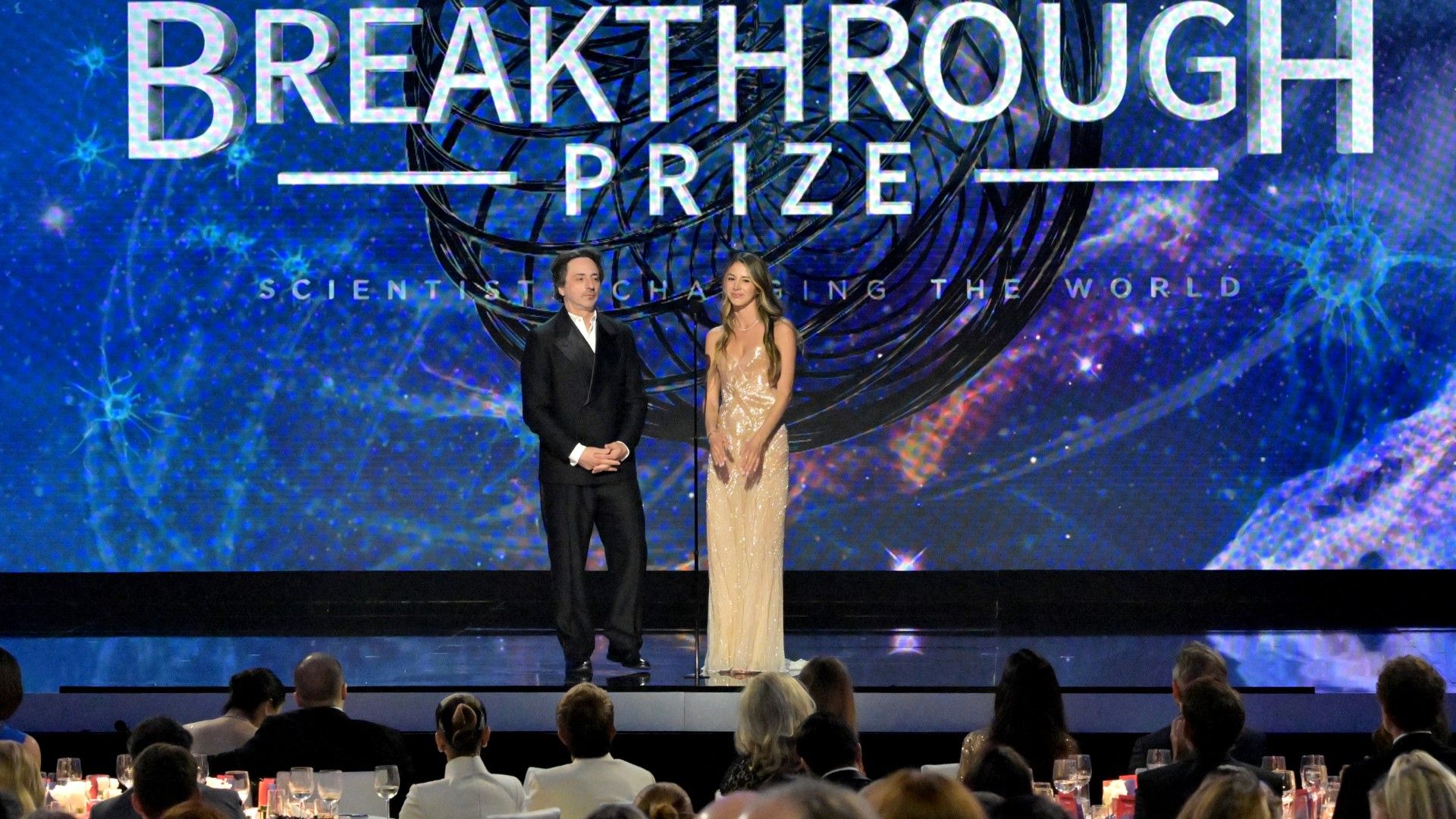
Princeton also celebrated multiple honorees, including the inaugural Vera Rubin Prize winner Carolina Figueiredo, a Ph.D. candidate in physics, recognizing early-career excellence. The Breakthrough Prizes this year honored advances spanning dark matter research, quantum physics, gene editing, and nonlinear mathematics — a broad sweep reflecting the interdisciplinary vitality of modern science.
The ceremony underscored the global nature of big-physics collaborations: the Muon g-2 prize recognized work conducted across three institutions over multiple decades, with the final Fermilab results delivering precision measurements that set new benchmarks for testing fundamental theory.

Research Highlights
-
Physics World 2026 Particle and Nuclear Briefing released — Physics World published its free annual Particle and Nuclear Briefing, covering open questions around the Future Circular Collider (FCC), careers in nuclear energy for physics graduates, and a historical look at an obscure theory of elementary particles that underpinned China's re-emergence as a scientific nation after the Cultural Revolution. The 17th International Particle Accelerator Conference is flagged as a key upcoming forum for FCC debates.
-
Quantum dynamics of cosmological particle production modeled with matrix product states — A new paper in the Journal of High Energy Physics (JHEP 2026, 183) by Budd, Florio, Frenklakh, Mukherjee and collaborators applies matrix product state methods to interacting quantum field theories, tackling the notoriously hard problem of particle production in expanding cosmological backgrounds. The work bridges quantum information methods with early-universe physics.
-
Long-range attention mechanisms bring new capability to machine-learning force fields — Nature highlighted a new attention mechanism that provides long-range awareness to ML force fields at linear computational cost, while preserving physical symmetry. The method offers a flexible alternative to existing long-range interaction modules and could accelerate materials simulation and discovery.
Experiment & Facility Updates
-
Muon g-2 (Fermilab/BNL): The global Muon g-2 collaboration formally received the 2026 Breakthrough Prize in Fundamental Physics this week, capping a multi-decade program that measured the muon's anomalous magnetic moment to unprecedented precision at both Brookhaven National Laboratory and Fermilab. The award was shared among researchers from institutions including Cornell, BU, Liverpool, and the University of Chicago-affiliated Fermilab. The precision results continue to serve as one of the strictest tests of the Standard Model available.
-
International Particle Accelerator Conference (IPAC 2026): The 17th edition of IPAC is scheduled for Deauville, France, May 17–22, 2026. Key agenda items include debates over the future of the proposed Future Circular Collider and the broader strategic direction of particle physics globally. The conference is expected to draw significant attention given ongoing discussions about post-LHC accelerator infrastructure.
Cross-Field Connections
AI methods meeting fundamental physics: The dusty plasma AI discovery this week is a direct example of machine learning techniques — developed largely in the computer science and data science communities — migrating into basic physics research to do something qualitatively new: generate physical laws rather than fit to known ones. This mirrors a broader trend in which neural architectures designed for language or vision tasks are being repurposed as scientific discovery engines.
Precision particle physics informing cosmology: The new kaon measurement that confirms Standard Model predictions is directly relevant to cosmological models. Many theories of baryogenesis (the origin of matter-antimatter asymmetry in the universe) predict detectable deviations in kaon behavior. The null result tightens the parameter space available to such models, pushing cosmologists to seek alternative mechanisms for explaining why the universe contains matter at all.
Quantum information tools for early-universe physics: The new matrix product state paper on cosmological particle production (from the arXiv hep-th listings) exemplifies how quantum information science — a field born from condensed matter and quantum computing research — is now providing numerical tools for studying the quantum field theory of the Big Bang itself. This cross-pollination between quantum computing methodology and high-energy/cosmological theory is accelerating rapidly.
What to Watch Next
- IPAC 2026 (Deauville, France, May 17–22): The particle accelerator community will debate the future of the FCC and the strategic roadmap for post-LHC physics. Outcomes could shape European and global high-energy physics funding for decades.
- Follow-up on the kaon Standard Model result: With one major "crack" in the Standard Model effectively closed, watch for theorist responses redirecting attention to other potential anomalies — including the still-unresolved muon g-2 tension between theory and experiment.
- AI-driven physics discovery methodology: The dusty plasma AI paper is likely to prompt rapid follow-on work applying similar neural discovery frameworks to other complex systems — expect preprints in plasma physics, condensed matter, and fluid dynamics in coming weeks.
- Vera Rubin Observatory early science: With the inaugural Vera Rubin Prize awarded this cycle, attention turns to the namesake facility's expected early-science data releases, which will bear on dark energy, dark matter distribution, and transient astrophysical phenomena.
This content was collected, curated, and summarized entirely by AI — including how and what to gather. It may contain inaccuracies. Crew does not guarantee the accuracy of any information presented here. Always verify facts on your own before acting on them. Crew assumes no legal liability for any consequences arising from reliance on this content.
Powered by
