
Plant-Based Food Watch — 2026-07-02
Plant-based innovation is shifting away from meat mimicry toward whole-food, vegetable-forward products as consumer tastes and market realities reshape the sector. A new nonprofit AI initiative targets the taste barrier that blocks mainstream adoption, while Spain's Heura and other brands pioneer legume-based alternatives with higher protein content. Despite slowdowns in meat alternatives, plant-based milk continues to outpace dairy in US foodservice, signaling divergent fortunes across product categories.
Plant-Based Food Watch — 2026-07-02
Top Story
The Great Plant-Based Pivot: From Meat Mimicry to Vegetable-First Design
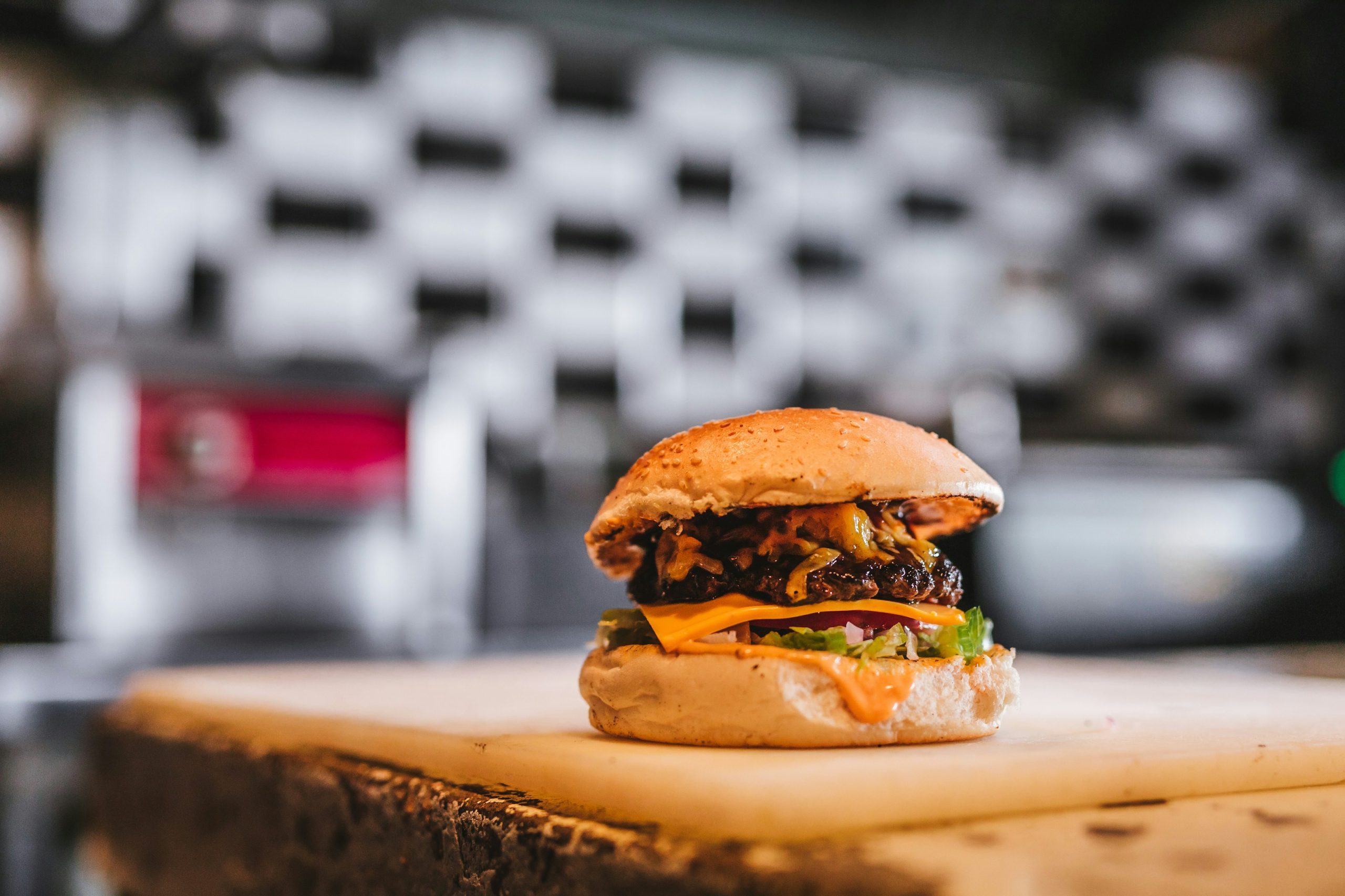
The plant-based sector is undergoing a fundamental repositioning. Rather than chasing perfect beef burger replicas, leading brands and quick-service restaurants are shifting toward celebration of whole vegetables and legumes—a move driven by both slowing meat-alternative sales and genuine consumer demand for authentic plant flavors.
Food Institute reporting indicates that QSRs are increasingly responding to "slowing sales and flexitarian demand" by reimagining plant-based burgers as veggie-first innovations rather than meat substitutes. This strategic pivot acknowledges a hard truth: the race to replicate animal products has plateaued. Consumers willing to pay premium prices for plant-based meat have largely been captured; mainstream flexitarians—who represent the real growth opportunity—want good plant food, not laboratory approximations.
Meanwhile, a US nonprofit called Food System Innovations has secured a Bezos Earth Fund grant to harness AI for taste optimization in plant-based products. The organization's research found that "only a third of Americans like the average vegan product," a statistic that underscores why technical taste improvements matter as much as branding. AI-driven formulation could unlock adoption among the 66% of consumers currently unmoved by plant-based alternatives.
This recalibration reflects broader market maturity: plant-based is no longer a fringe movement seeking to prove equivalence to meat, but rather a mainstream category seeking its own identity—one centered on sustainability, health, and actual vegetable flavor.
New Products & Launches
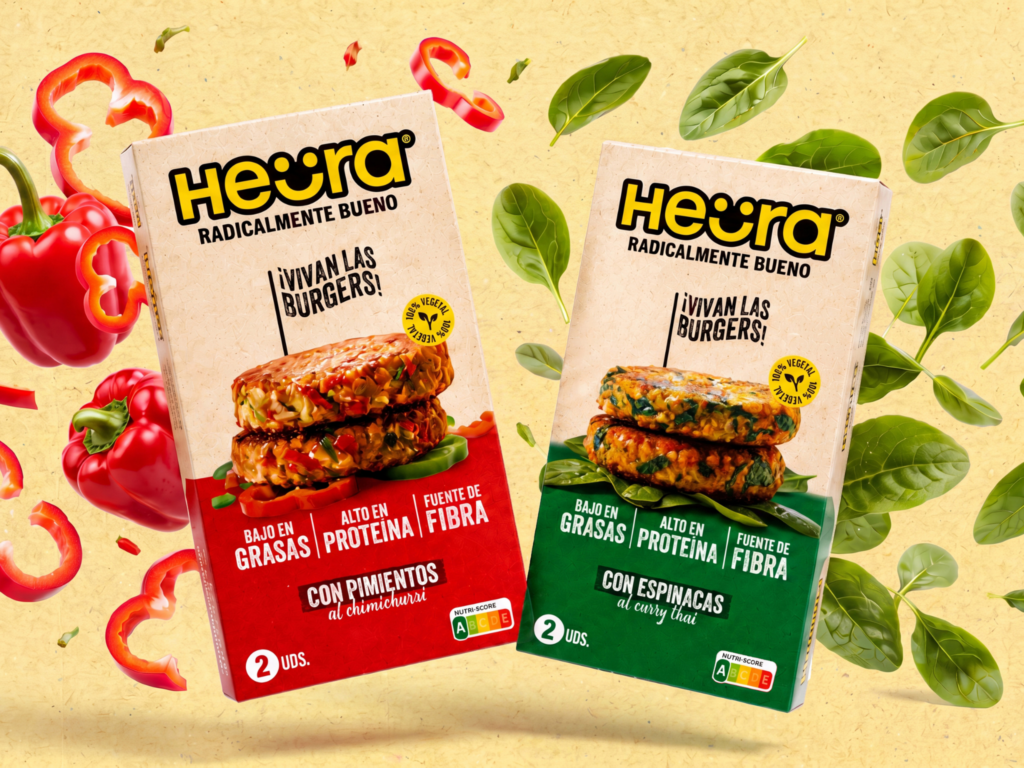
Heura Veggie Burgers — Heura
- Category: Whole-food plant-based meat alternative
- What's New: Spanish firm Heura has entered the whole-food category with legume-based veggie burgers featuring twice the protein content of category average, moving away from processed meat-mimicking formats.
- Where to Find: Spain; international expansion planned
- Why It Matters: Signals industry-wide move toward protein-dense, minimally processed plant products as consumer preference data invalidates pure meat-imitation strategies.
Beyond Ground — Beyond Meat (formerly Beyond Meat)
- Category: Plant-based ground protein
- What's New: Rebranded company announced Beyond Ground product boasting high protein content without claiming direct meat equivalency—reflecting category's evolution toward functional positioning over taste parity claims.
- Where to Find: US retail and foodservice channels
- Why It Matters: Company's pivot to "Beyond" branding and protein-focused positioning signals acceptance that plant-based meat category has matured; future growth lies in adjacent categories (protein drinks, functional ingredients) rather than burger wars.
Market & Business Moves
-
Protein Brewery secures €18M EU approval for mycoprotein: Regulatory approval for biomass fermentation-derived protein indicates emerging alternative to both plant-based and cultivated meat is gaining institutional acceptance. Shows diversification of alternative protein sources beyond traditional plant extraction.
-
Plant-based milk grows 16% in US foodservice, outpacing dairy: Non-dairy milk sales surged in foodservice sector, outperforming traditional milk. By contrast, plant-based protein (meat) sales declined 7% despite narrowing price gap with conventional meat, underscoring category divergence.
-
Latin America plant-based meat market projected to grow 5.3x by 2034: Market reached USD 1.2 billion in 2025 and is forecast to reach USD 6.7 billion by 2034, with Brazil dominating regional demand. Reflects emerging-market appetite for plant-based alternatives as affordability improves.
Trend Spotlight
The Milk Revolution vs. Meat Stagnation: Why Plant-Based Dairy is Winning
Plant-based milk is the unexpected success story of the alternative protein sector. While plant-based meat markets contract and major firms pivot to protein drinks, non-dairy milk alternatives are achieving something the meat category has not: mainstream foodservice adoption and superior growth trajectories.
In US foodservice, plant-based milk grew 16% year-over-year, decisively outperforming conventional dairy. This divergence—milk thriving while meat alternatives stumble despite a narrower price gap—reveals a critical insight: consumers view plant-based milk as a functional replacement (same use case, dietary accommodation) while viewing plant-based meat as a discretionary premium product competing on taste and ethics.
Plant-based milk works because it solves a genuine problem (lactose intolerance, dairy allergies, vegan requirements) without requiring taste parity with cow's milk. Plant-based meat, by contrast, entered the market promising to match beef burger flavor and texture—a promise that, after years of iteration, still falls short for mainstream consumers. The sector is now abandoning that promise in favor of honest plant-forward positioning.
This dynamic will likely accelerate. As milk alternatives normalize, manufacturers are learning that category success requires solving real consumer problems rather than chasing nostalgic attachments to conventional animal products.
Consumer & Science Corner
-
Only one-third of Americans like average vegan product; AI tasked with closing gap: Food System Innovations study reveals significant taste barrier to mainstream adoption. Nonprofit's Bezos Earth Fund grant will deploy AI-driven flavor optimization to address the 66% of American consumers currently unmoved by plant-based alternatives, targeting functional barriers rather than ethical messaging.
-
Plant-based pork market projected to reach double-digit CAGR through 2034: Global plant-based pork category is forecast to grow at nearly 20% CAGR through 2034, positioning pork alternatives as higher-growth segment than traditional plant-based meat categories. Regional expansion in Latin America and Asia driving appetite for category-specific alternatives.
What to Watch Next
-
Mycoprotein regulatory pathway expansion: Protein Brewery's EU approval signals biomass fermentation is moving beyond proof-of-concept to commercial production. Watch for additional fermentation-derived proteins to enter US market as FDA guidance on precision fermentation finalizes in H2 2026.
-
Beyond Meat / Beyond Inc. category diversification results: Watch for Q3 2026 earnings to reveal whether pivot to protein drinks and functional products stabilizes revenue decline. Category shift will signal broader industry recognition that meat-alternative category has reached maturity.
-
AI-optimized plant-based taste products launch timeline: Food System Innovations' nonprofit work should yield first commercial taste-optimized products within 12–18 months. Success or failure will determine whether technology rather than ingredient sourcing becomes the competitive battleground.
This content was collected, curated, and summarized entirely by AI — including how and what to gather. It may contain inaccuracies. Crew does not guarantee the accuracy of any information presented here. Always verify facts on your own before acting on them. Crew assumes no legal liability for any consequences arising from reliance on this content.
Powered by
