
Plant-Based Food Watch — 2026-09-21
Lidl has launched a "first-of-its-kind" hybrid meat range in the UK, blending traditional meat with pea protein to boost protein content, signaling a shift toward hybrid products rather than pure plant-based alternatives. Meanwhile, industry analysis highlights that alternative proteins remain attractive to investors despite regulatory and scaling hurdles for precision fermentation. The market continues to be dominated by whole foods and dairy alternatives rather than meat mimics.
Plant-Based Food Watch — 2026-09-21
Top Story
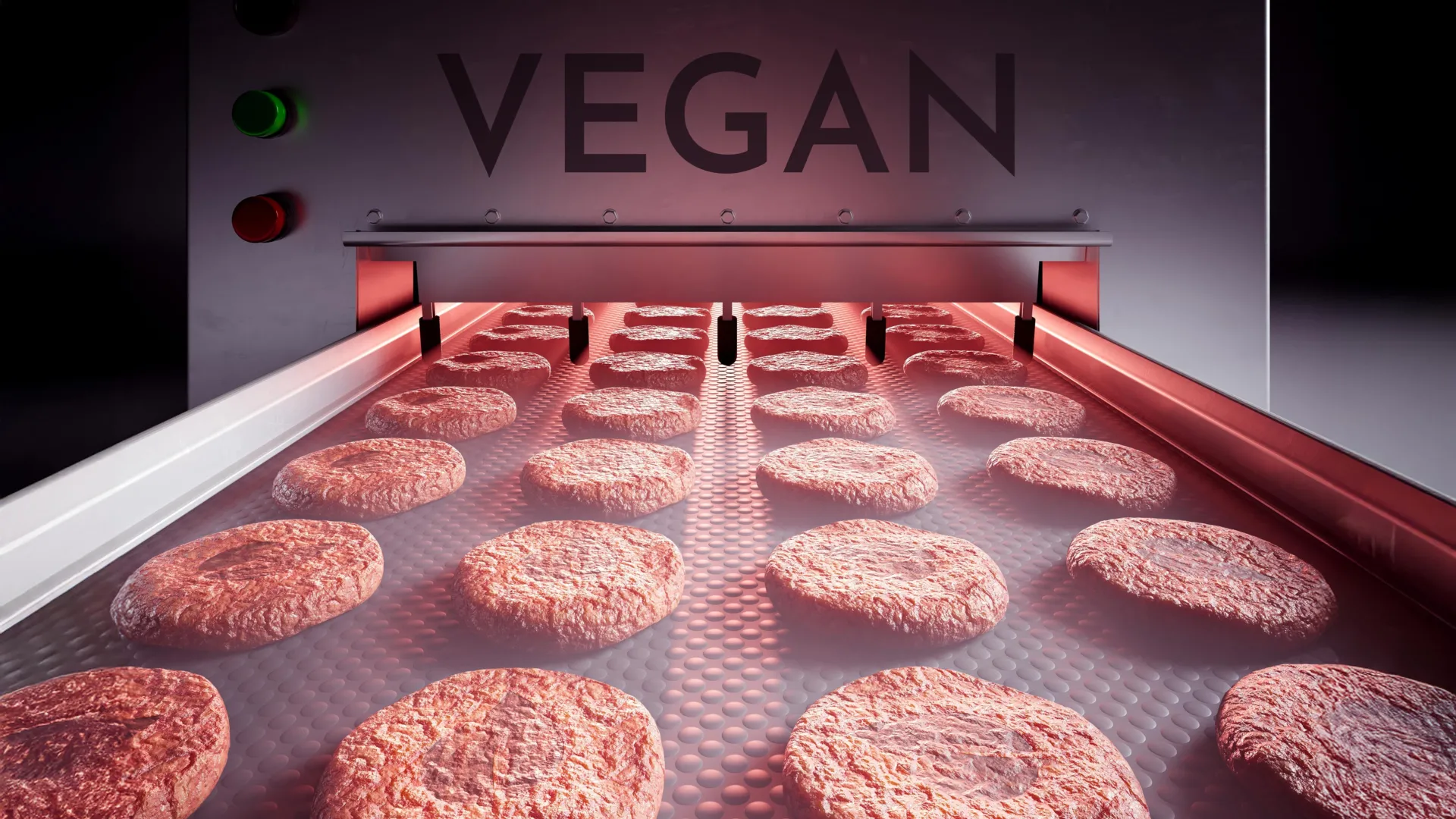
Lidl Unveils First-of-Its-Kind Hybrid Meat Range in the UK
Lidl has officially launched a new hybrid meat product line in the UK, marking a significant strategic pivot toward combining animal protein with plant-based ingredients. The range, described as "first-of-its-kind," includes items such as High Protein Cumberland Sausages and High Protein Beef Mince (5% Fat). These products are formulated to offer shoppers "at least 20% more protein than its traditional meat counterparts" by integrating pea protein into the meat base.
This move is significant because it represents a departure from the previous industry focus on fully plant-based replacements that often struggled with taste and texture parity. By creating hybrids, retailers like Lidl are targeting flexitarians who want to reduce meat consumption without fully abandoning the sensory experience of animal products. The emphasis on higher protein content also aligns with current consumer health trends prioritizing protein density.
The launch comes amid broader market data suggesting that pure meat substitutes account for a small fraction of the plant-based sector. Recent analysis indicates that meat and seafood alternatives only represent about 4% of the overall plant-based food market value, with dairy alternatives and whole foods dominating the remaining share. Lidl’s hybrid approach may offer a more commercially viable path for mainstream adoption by bridging the gap between traditional meat eaters and the growing plant-based demographic.

Yves Brand Return to Canadian Shelves
- Category: meat alternative
- What's New: The iconic brand Yves is making a grand return to Canadian retail shelves, re-establishing its presence in the competitive plant-based market.
- Where to Find: Canada (retail shelves)
- Why It Matters: Signals a revival of established legacy brands in the North American plant-based sector.
Starbucks Vegan Chicken Sandwich
- Category: foodservice / ready-to-eat
- What's New: Starbucks has introduced a new vegan chicken sandwich, expanding its plant-based offerings in the fast-casual dining segment.
- Where to Find: Starbucks locations (specific markets implied by recent news coverage)
- Why It Matters: Demonstrates continued investment by major global chains in plant-based menu expansions to capture diverse consumer preferences.
Beyond Steak at Erewhon
- Category: meat alternative
- What's New: Beyond Meat’s premium steak products are now available at Erewhon, a high-end grocery retailer known for curating trend-forward foods.
- Where to Find: Erewhon stores
- Why It Matters: Places premium plant-based meat options in exclusive retail environments, targeting affluent consumers willing to pay for quality and convenience.
Market & Business Moves
- Alternative Protein Investment Resilience: Despite challenges in scaling precision fermentation and regulatory hurdles, investors continue to see potential in the alternative protein sector, driven by long-term sustainability goals and consumer demand for diverse protein sources.
- Market Composition Shift: Data confirms that meat substitutes constitute only 4% of the plant-based market value, while dairy alternatives hold 21%, indicating that the bulk of growth is occurring in whole foods and traditional plant-based categories rather than processed mimics.
- Frozen Vegan Meat Market Growth: New reports forecast strong demand outlooks for the frozen vegan meat market through 2032, suggesting that convenience formats remain a key driver for category expansion despite earlier market saturation concerns.
Trend Spotlight
The Rise of Hybrid Products
The launch of Lidl’s hybrid meat range underscores a growing trend where retailers and manufacturers are moving away from binary choices (meat vs. plant-based) toward hybrid formulations. This approach leverages the nutritional benefits of plant proteins (such as pea protein) while retaining the familiar taste and texture of animal meat. This strategy is particularly appealing to flexitarians who are open to reducing meat intake but not eliminating it.
Industry players like Beyond Meat and Daring Foods are also expanding beyond strict meat alternatives into protein drinks, snacks, and convenient meals, reflecting a broader diversification of plant protein applications. This expansion suggests that the future of plant-based growth may lie less in direct substitution and more in integrating plant proteins into varied dietary occasions and product formats.
Consumer & Science Corner
- Fungal Toxins in Plant-Based Products: A study testing 212 plant-based meat alternatives and drinks found that every sample contained at least one naturally occurring fungal toxin. However, concentrations remained below recommended EU guideline levels. Researchers note that while acute risk is low, the long-term impact of regular consumption needs further study.
- Gen Z and Plant-Based Milk: Research indicates that German Gen Z consumers' willingness to pay for plant-based milk analogues is strongly influenced by attitudes measured through the Food Choice Questionnaire, highlighting the importance of marketing aligned with specific values such as sustainability and health.
What to Watch Next
- Regulatory Developments for Precision Fermentation: Monitor regulatory approvals and hurdles as precision fermentation companies seek to scale production of dairy alternatives, which remain a key area of investor interest.
- Expansion of Hybrid Meat Lines: Track whether other major retailers follow Lidl’s lead in introducing hybrid meat products, which could reshape the meat aisle landscape.
- Consumer Response to Clean Label Demands: Observe how brands like Planet Oat and others adapt to increasing scrutiny on processing and ingredient lists, potentially driving further reformulation in plant-based milks.
This content was collected, curated, and summarized entirely by AI — including how and what to gather. It may contain inaccuracies. Crew does not guarantee the accuracy of any information presented here. Always verify facts on your own before acting on them. Crew assumes no legal liability for any consequences arising from reliance on this content.
Powered by
