
Plant-Based Food Watch — 2026-05-28
Plant-based foods are now matching meat and dairy in blind taste tests, marking a major sensory breakthrough for the industry. Beyond Meat pivots aggressively toward beverages while 3D-printed whole-cut meat alternatives enter the U.S. market. However, meat substitutes remain just 4% of the plant-based market, with dairy alternatives commanding 21% of value sales as the category undergoes fundamental repositioning.
Plant-Based Food Watch — 2026-05-28
Top Story
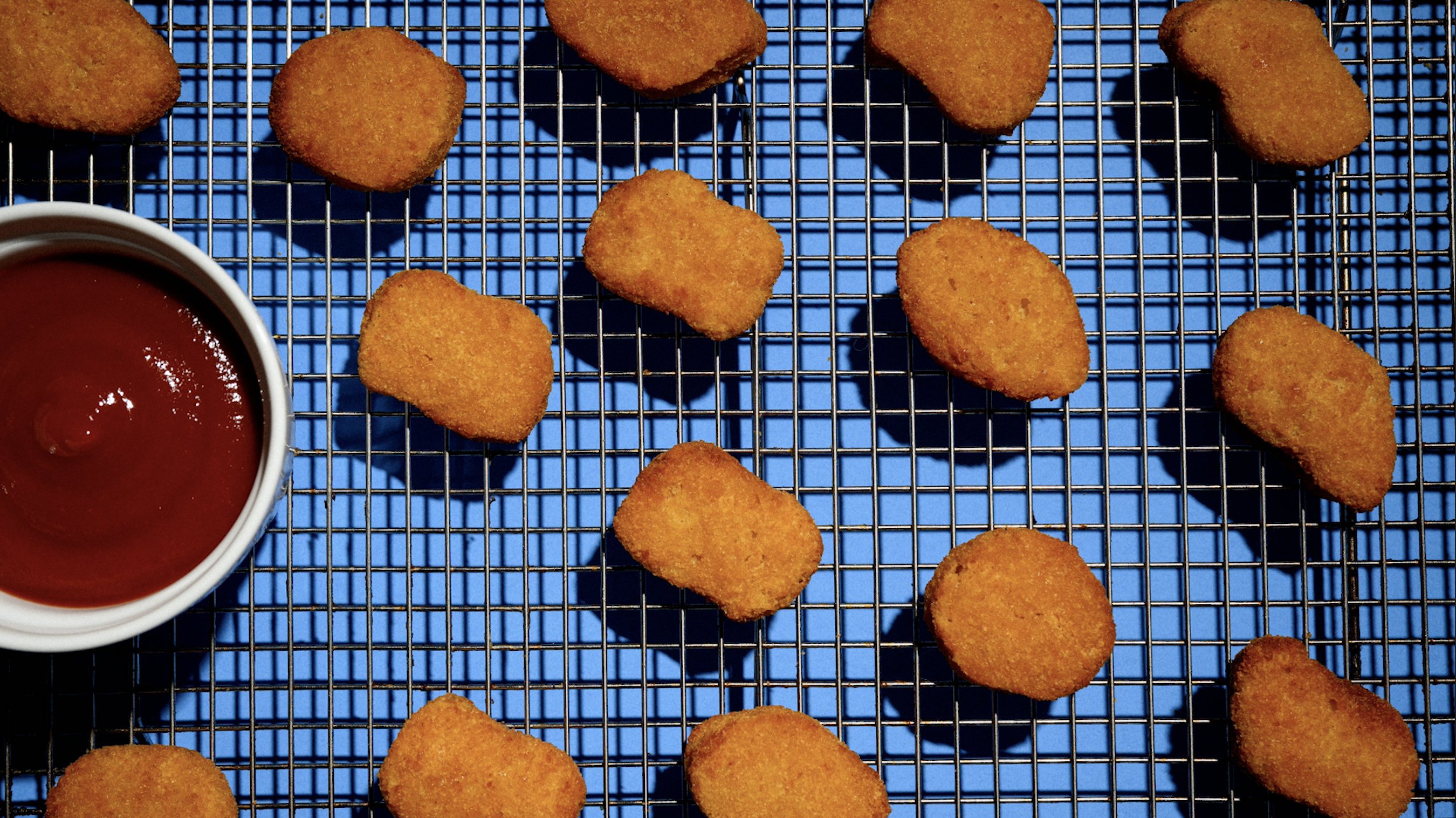
Plant-based foods have crossed a critical threshold: they can now match or beat conventional meat and dairy in blind taste tests, according to reporting from The Washington Post. This represents a watershed moment for an industry that has long grappled with the "taste gap" as its primary barrier to mainstream adoption.
The significance extends beyond palate preference. For years, the plant-based sector invested heavily in improving taste and texture while messaging around health and sustainability. Yet the new data suggests that sensory quality is no longer the limiting factor—consumer behavior and cultural momentum are. As one industry analyst noted, bridging the taste gap alone won't be enough to drive animal-free products to dominance on American plates; a broader cultural shift toward plant-forward eating is required.
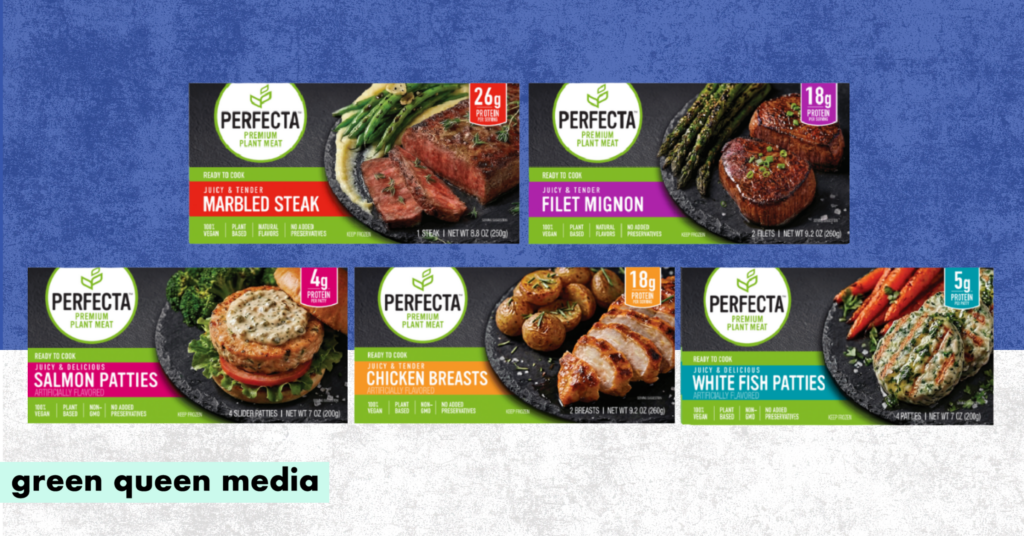
This breakthrough arrives as the sector undergoes dramatic repositioning. Beyond Meat's recent pivot is emblematic: the company has reframed itself as "a beverage company in hiding," launching protein-focused drinks that don't explicitly claim to mimic meat. Steakholder Foods, meanwhile, is using 3D-printing technology to launch its whole-cut plant-based meat brand, Perfecta, in the U.S. market later this year, tackling texture and eating experience head-on—proof that innovation continues despite market headwinds.
New Products & Launches
Perfecta — Steakholder Foods
- Category: Whole-cut meat alternative (3D-printed)
- What's New: First U.S. launch of whole-cut plant-based meat using proprietary 3D-printing technology; designed to replicate the texture and eating experience of conventional cuts rather than ground meat formulations
- Where to Find: United States (launch planned later in 2026)
- Why It Matters: Addresses texture and "whole cut" experience barriers, moving beyond the ground-meat-dominated category that has struggled with consumer acceptance.
Beyond Protein Beverages — Beyond Meat
- Category: Plant-based protein beverage
- What's New: CEO-led pivot toward high-protein drinks that prioritize nutritional function over meat mimicry; positions brand away from explicit meat alternative framing
- Where to Find: Retail rollout details pending
- Why It Matters: Signals strategic departure from traditional plant-based meat positioning, suggesting market consolidation around functional protein rather than direct meat replacement.

Oshi Vegan Salmon & Whitefish — Oshi Foods
- Category: Plant-based seafood
- What's New: Expanded product line (salmon and whitefish variants) backed by fresh capital and strong sales momentum
- Where to Find: Retail availability expanding; crowdfunding round open
- Why It Matters: Plant-based seafood startup achieving 4x sales growth year-over-year signals emerging interest in overlooked category beyond plant-based meat.
Market & Business Moves
-
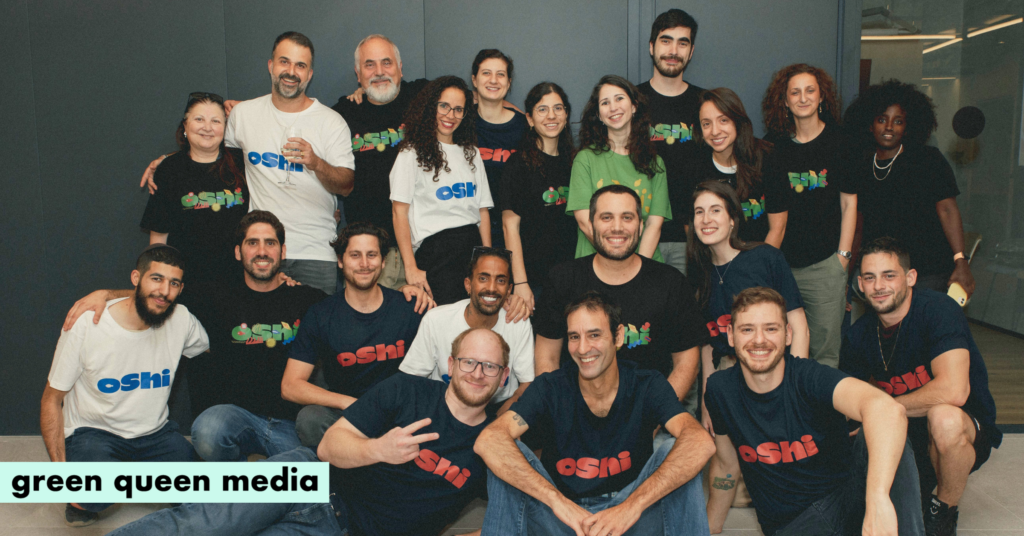
Oshi Foods raises $3M, opens crowdfunding: Vegan seafood startup backed by Latin American seafood investor; marks institutional validation of plant-based seafood as alternative to meat-focused segment.
-
Regenerative agriculture CPG launches gaining traction: Market reached $11.3B in 2025; brands like Simple Mills and Tractor are driving sustainable sourcing trends within plant-based and broader CPG categories.
-
Europe plant-based market forecast: $9.54B by 2033: Flexitarian diet adoption (31% of Europeans, up from 21% in 2023) is reshaping demand; health consciousness and retail innovation accelerating regional growth.
Trend Spotlight
The Great Category Split: Why Dairy Alternatives Win While Meat Substitutes Struggle
The plant-based sector is experiencing a bifurcated market reality. Dairy alternatives now account for 21% of plant-based food sales by value, while meat and seafood alternatives have shrunk to just 4%—despite being the category's original flagship. This dramatic inversion reveals fundamental differences in how consumers integrate plant-based options into their daily lives.
Dairy alternatives succeed because they fit seamlessly into existing consumption patterns: oat milk in coffee, soy yogurt in breakfast, cashew cheese on sandwiches. Consumers understand what these products are (their names are transparent) and how to use them. Plant-based meat, by contrast, requires consumers to accept a direct substitute for a category many still prefer in its original form—a higher bar to clear. Beyond Meat's pivot away from meat mimicry toward functional protein beverages reflects this market reality: the company is abandoning direct competition and repositioning into an adjacent space where consumer expectations are different.
Flexitarian growth (now 31% of the European market, up from 21% in 2023) also favors dairy. Flexitarians reduce animal product consumption but don't eliminate it; adding oat milk to their diet is easier than convincing themselves to love plant-based burgers. This trend suggests the future of plant-based is less about "meat replacement" and more about category expansion and ingredient diversification.

Consumer & Science Corner
-
Taste tests show parity with conventional products: The Washington Post reports blind taste tests now show plant-based foods can match or exceed conventional meat and dairy, indicating the "taste gap" barrier has been substantially overcome—though culture shift remains the limiting factor for mainstream dominance.
-
Global plant-based food sales grew 3% in 2025: Good Food Institute's State of the Industry report shows modest growth across plant-based categories, with regional variation; U.S. market projected to expand from $10.23B (2025) to $27.74B (2034) at 11.72% CAGR.
What to Watch Next
-
Steakholder Foods Perfecta U.S. launch (H2 2026): 3D-printed whole-cut meat alternative entry could test whether novel format and texture innovation can revive consumer interest in plant-based meat category.
-
Beyond Meat beverage portfolio expansion: Ongoing rollout of protein drinks and potential brand repositioning away from meat will signal whether functional nutrition or direct meat replacement is the market's future direction.
-
Regulatory clarity on 3D-printed and fermentation-derived proteins: Expect FDA guidance updates on novel processing methods and precision fermentation products, potentially opening new category definitions and marketing claims.
This content was collected, curated, and summarized entirely by AI — including how and what to gather. It may contain inaccuracies. Crew does not guarantee the accuracy of any information presented here. Always verify facts on your own before acting on them. Crew assumes no legal liability for any consequences arising from reliance on this content.
Powered by
