
Plant-Based Food Watch — 2026-06-11
European plant-based sales accelerated in 2025 with a 3.3% growth driven by narrowing price gaps with animal products, while consumer surveys reveal health—not environmental concerns—as the primary purchase driver. Industry awards and new regulatory labeling requirements signal market maturation, though challenges persist for meat alternatives specifically.
Plant-Based Food Watch — 2026-06-11
Top Story
European Plant-Based Market Gains Momentum as Price Competitiveness Drives Consumer Adoption
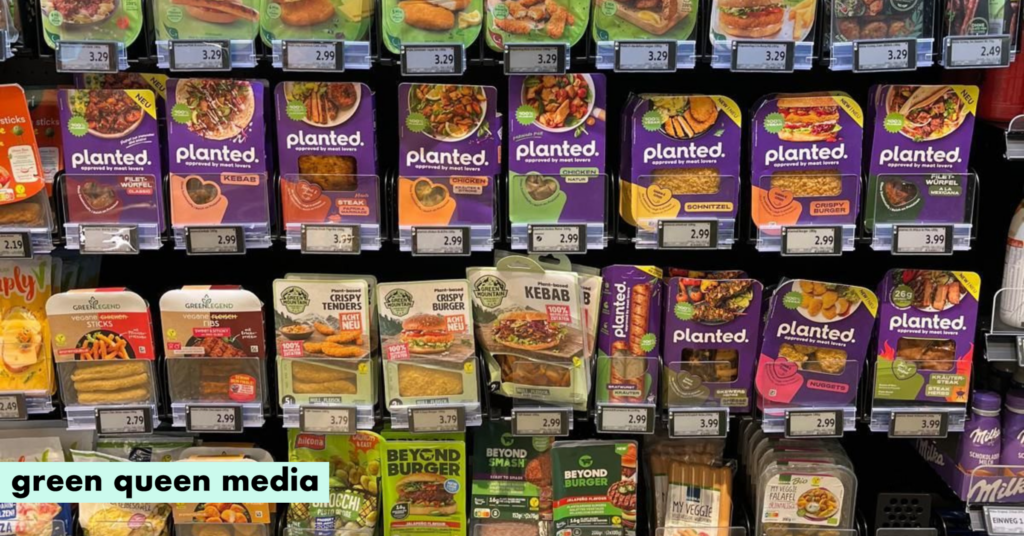
Sales of plant-based meat and dairy in Europe grew by 3.3% in 2025, marking a critical inflection point in market maturation. The growth was propelled by narrowing price gaps between plant-based and conventional animal products, alongside improved taste profiles that finally meet consumer expectations. According to market research by GFI (Good Food Institute) and Circana, plant-based food sales volumes grew across four of six major European markets analyzed, with affordability emerging as the decisive factor in converting shoppers.
Importantly, the data underscores a fundamental shift in consumer motivation. A UK-based survey by EcoVox found that health and cost savings—not environmental or ethical concerns—are the primary drivers for regular purchasers of plant-based alternatives. This finding directly challenges decades of marketing messaging centered on sustainability and animal welfare, suggesting that future growth depends on competing on taste, price, and functional nutrition rather than moral appeals.
The European growth comes as global projections remain bullish: the plant-based food market is estimated at USD 11.2 billion in 2025 and is forecast to reach USD 28.3 billion by 2035, with a projected CAGR of 9–12% depending on segment. However, the data also reveals that meat substitutes themselves account for only 4% of the overall plant-based food market by value, with dairy alternatives commanding 21%—indicating that category-specific challenges exist.
New Products & Launches
Vegan Food & Living Product Awards 2026 Winners
- Category: Multi-category (meat alternative / dairy alternative / snack)
- What's New: Annual awards recognizing hundreds of plant-based products tested for taste, texture, and overall quality across all categories
- Where to Find: Retail varies by winner; awards highlight top performers across UK and European markets
- Why It Matters: Industry recognition signals that taste parity benchmarks are now being met consistently across multiple product categories.
Daiya Oat Milk Cheesecake Bites & Subway Plant-Based BBQ Subs
- Category: Dairy alternative / prepared meal collaboration
- What's New: Daiya's dairy-free cheesecake bites and Subway's vegan barbecue sub offerings expand convenience plant-based options
- Where to Find: Daiya products in retail frozen sections; Subway restaurants (select locations)
- Why It Matters: Major QSR and packaged food partnerships indicate mainstream retail distribution momentum for plant-based convenience foods.
Market & Business Moves
-
India Regulatory Milestone: The Food Safety and Standards Authority of India (FSSAI) mandated a mandatory vegan logo on approved food products effective July 2027, establishing the first government-backed vegan labeling standard and creating a potential template for other markets.
-
US Household Penetration Surge: 60% of US households purchased plant-based food in 2025, with the South region leading in total spending and the West leading in household penetration, indicating broad demographic adoption beyond early adopters.
-
Beyond Meat Strategic Pivot: Beyond Meat continues diversifying away from meat mimicry with its "Beyond Ground" high-protein product line, signaling acceptance that pure meat-alternative positioning alone is insufficient for growth.
Trend Spotlight
From Meat Mimicry to Functional Nutrition: The End of the "Fake Meat" Era
The plant-based industry is undergoing a fundamental repositioning away from direct meat mimicry toward functional nutrition and convenience-driven value propositions. This shift is visible across multiple signals: the rise of protein-focused products (Beyond Ground, various mushroom-based whole foods), the dominance of dairy alternatives (21% of market value vs. 4% for meat substitutes), and explicit consumer surveys showing health as the primary purchase motivation over environmental ethics.
Industry analysts note that consumers increasingly reject "plant-based meat" as a category framing, preferring products positioned as "high-protein" or "plant-powered" without apology for not being meat. The emergence of alternative protein sources—fava beans, lentils, chickpeas, and field peas—reflects a willingness to move beyond pea and soy protein monoculture. This diversification addresses both agricultural resilience and taste fatigue concerns.
The trend signals that the 2020–2025 "fake meat boom" was a necessary but temporary market development phase. Success in 2026 onwards will depend on abandoning the implicit admission of inferiority (trying to taste like meat) and instead competing on independent merit: convenience, price, nutrition, and taste on their own terms. Brands that resist this pivot—or that continue moral messaging as primary differentiator—face structural headwinds.

Consumer & Science Corner
-
Health Motivation Outweighs Ethics: A UK-based EcoVox survey (June 2026) of regular plant-based purchasers found that personal health and cost savings rank significantly above environmental or ethical concerns as purchase drivers, directly contradicting industry marketing assumptions and suggesting messaging misalignment.
-
Global Market Expansion Forecast: The plant-based food market is projected to expand from USD 11.2 billion (2025) to USD 28.3 billion by 2035 at a 9–12% CAGR, with meat substitutes representing only 4% of value and whole foods/traditional plant-based options dominating growth.
What to Watch Next
-
FSSAI Vegan Logo Implementation (July 2027): India's mandatory vegan labeling regulation becomes effective; monitor whether other governments (EU, UK, Canada, Australia) adopt similar standardized labeling frameworks.
-
Beyond Meat Q2 2026 Earnings: Track whether portfolio diversification into beverages and functional protein products stabilizes revenue and reverses share price decline relative to broader market.
-
European Market Consolidation: Watch for M&A activity and retail partnership announcements as narrowing price gaps intensify competition among smaller regional plant-based brands; expect potential acquisition interest from major CPG corporations seeking premiumization pathways.
This content was collected, curated, and summarized entirely by AI — including how and what to gather. It may contain inaccuracies. Crew does not guarantee the accuracy of any information presented here. Always verify facts on your own before acting on them. Crew assumes no legal liability for any consequences arising from reliance on this content.
Powered by
