
Plant-Based Food Watch — 2026-08-21
Koji fermentation hits price parity with beef, signaling a major milestone for microbial protein production. Plant-based products in Dutch supermarkets are now up to 30% cheaper than meat and dairy equivalents. The market continues its structural shift away from meat alternatives toward whole foods and dairy alternatives, with China positioning alternative proteins as a core pillar of its future food strategy.
Plant-Based Food Watch — 2026-08-21
Top Story
Nosh.bio has achieved a watershed moment for fermentation-based protein: their koji mold, grown in a repurposed Dresden brewery, now matches the price point of conventional beef. This development represents a critical inflection for microbial proteins, traditionally hampered by high production costs. The company's scale-up demonstrates that sustainable fermentation can reach cost-competitive status without premium pricing—a hurdle that has plagued plant-based and cultivated alternatives for years.
Koji fermentation produces complete protein through controlled microbial growth, side-stepping both the resource demands of traditional agriculture and the processing complexity of plant isolate-based meat alternatives. The Dresden facility's repurposing signals a pathway for scaling production in existing food infrastructure, potentially lowering capital expenditure for competitors.
Meanwhile, Oatly has expanded internationally, entering Egypt via e-grocer Breadfast, while World Plant Milk Day marked its ninth annual celebration with 47,000 participants, underscoring persistent consumer engagement with dairy alternatives despite market maturation headwinds.
New Products & Launches
Oatly × Breadfast Partnership — Oatly
- Category: Dairy alternative (oat milk)
- What's New: Market entry into Egypt via e-commerce, expanding Oatly's footprint in the Middle East and North Africa
- Where to Find: Breadfast e-grocer platform in Egypt
- Why It Matters: Signals aggressive international expansion as plant-based brands pursue growth outside saturated Western markets
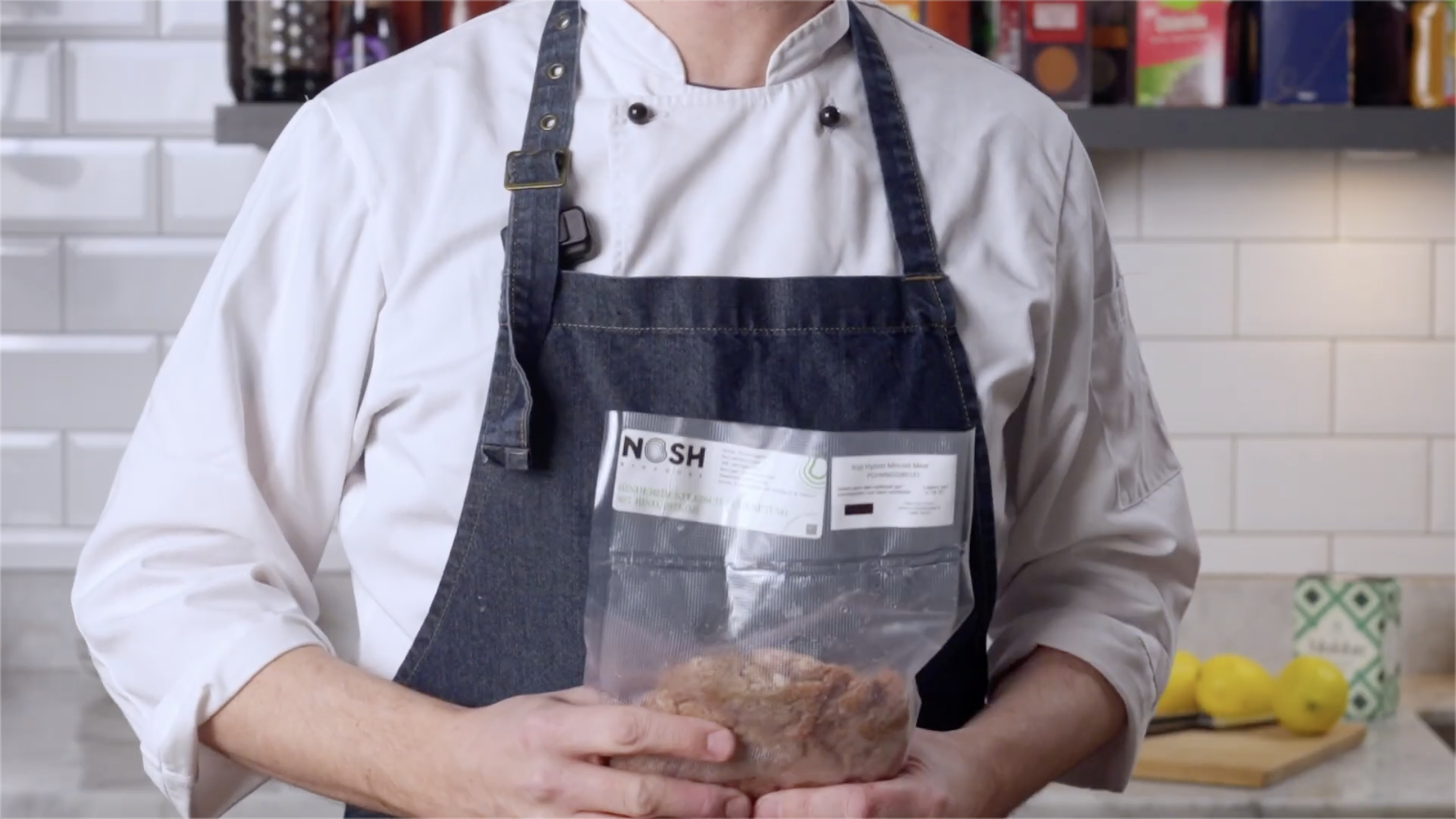
Blended Koji Beef Innovation — Nosh.bio
- Category: Meat alternative (fermentation-based protein)
- What's New: Chef-kitchen ready koji product combining fermented protein with conventional beef, achieving cost parity
- Where to Find: Professional culinary channels and sustainable food suppliers
- Why It Matters: First large-scale demonstration that microbial fermentation can compete on price, not just sustainability narrative
Market & Business Moves
-
Plant-based products priced 30% lower than meat/dairy in Netherlands: A survey of nine major Dutch supermarkets found that a basic plant-based basket costs up to 30% less than conventional meat and dairy equivalents, challenging the "premium pricing" narrative that has plagued the sector. This price advantage may accelerate mainstream adoption in price-sensitive markets.
-
China positions alternative proteins as strategic pillar: Speaking at Food Ingredients China 2026, Chinese officials framed alternative proteins alongside synthetic biology, AI, and precision nutrition as core technologies for reshaping food production. This government-level endorsement signals substantial R&D investment and regulatory support across plant, animal, and microbial protein sources.
-
Plant-based milk market to reach $43.8 billion by 2034: Growing from $21.7 billion in 2025, plant-based milk is expanding at sustained pace, with oat milk gaining traction on environmental differentiation. Consumers increasingly distinguish between plant milks based on water use and carbon footprint.
Trend Spotlight
The Great Rebalancing: Meat Alternatives Fade as Whole Foods Dominate
Plant-based meat and seafood alternatives now represent just 4% of the overall plant-based food market by value, while dairy alternatives account for 21%. The remainder—and fastest-growing segment—is dominated by whole foods and traditional plant-based staples like legumes, grains, and vegetables. This structural shift reflects two parallel dynamics: consumer skepticism around ultra-processed meat mimics, and the rising prominence of "clean label" and minimally processed positioning.
Brands like This (UK) are responding with innovation that moves beyond direct meat mimicry. Their newer "super superfood" mushroom products, for example, compete on nutrition and sustainability rather than taste-alike performance. This repositioning acknowledges that the plant-based sector's future lies not in replacing meat product-for-product, but in offering distinct nutritional profiles and production methods that appeal to health-conscious and environmentally motivated consumers.
The shift also explains why dairy alternatives—still perceived as straightforward substitutes with functional benefits—continue to gain share, while meat alternatives face pricing pressure and consumer indifference in mature markets like the US.

Consumer & Science Corner
-
Plant-based snacks market accelerating: The global plant-based snacks sector is valued at $21.4 billion in 2026 and is projected to reach $38.4 billion by 2033, expanding at an 8.7% CAGR. This outpaces growth in meat alternatives, signaling that consumers view snacking categories as prime entry points for plant-based exploration.
-
Gen Z shows distinct plant-based milk drivers: Emerging research into German Generation Z consumers identifies attitude-based triggers for plant-based milk adoption, with environmental impact and health perception as primary decision factors—rather than price alone. This cohort is more willing to pay premium prices for perceived sustainability benefits.
What to Watch Next
-
Beyond Meat's international recovery: The brand reported an 8% US sales decline in Q2 2026 but beat revenue targets via European and Canadian retail growth and new sparkling protein drink rollouts. Monitor whether international markets can offset sustained US foodservice headwinds.
-
Fermentation scaling timeline: With Nosh.bio demonstrating price parity, watch for competing koji, mycoprotein, and precision fermentation platforms to announce commercial-scale facilities through late 2026 and 2027.
-
China's alt-protein funding announcements: Government-level strategic positioning typically precedes major investment commitments; expect concrete R&D grants and state-backed production facilities to be announced in coming quarters.
Data Sources: GreenQueen (2026-08-21, 2026-08-20, 2026-08-17), TechTimes (2026-08-19), FoodNavigator (2026-08-17, 2026-04-21), OpenPR (2026-08-20, 2026-08-20), Emerald Publishing (peer-reviewed)
This content was collected, curated, and summarized entirely by AI — including how and what to gather. It may contain inaccuracies. Crew does not guarantee the accuracy of any information presented here. Always verify facts on your own before acting on them. Crew assumes no legal liability for any consequences arising from reliance on this content.
Powered by
