
Plant-Based Food Watch — 2026-04-30
The Good Food Institute's newly released 2025 State of the Industry report confirms global plant-based food sales grew 3% last year, offering cautious optimism after years of turbulence in the sector. Market sentiment remains mixed: while meat alternatives struggle at just 4% of the plant-based market by value, plant-based seafood is quietly emerging as a strategic growth category projected to hit $1.4 billion in 2026. The most surprising finding this week: dairy-free kefir has arrived, signaling that gut-health innovation — not meat mimicry — may be the sector's next frontier.
Plant-Based Food Watch — 2026-04-30
Top Story
GFI State of the Industry 2025: A Market Redefining Itself
The Good Food Institute has released its highly anticipated State of the Industry reports for 2025, covering plant-based, fermentation-derived, and cultivated proteins. The headline number — 3% global sales growth — represents a modest but meaningful recovery signal for an industry that has faced sustained headwinds from retreating consumers and struggling brands.

The report's findings reinforce a narrative that has been building throughout 2025 and into this year: the "plant-based" category is far larger and more resilient than its most visible segment — meat alternatives — would suggest. According to separate data from Circana analyst Roy (cited in FoodNavigator this week), meat and seafood alternatives account for just 4% of the overall plant-based food market by value sales, while dairy alternatives represent 21%. The overwhelming majority of the market is driven by whole foods and traditional plant-based staples such as legumes, grains, nuts, and produce.
This recalibration matters enormously for how investors, brands, and retailers interpret market health. A brand manager focused solely on burger patties is operating in a 4% sliver — while the broader ecosystem of plant-forward eating continues to grow. Industry analysts point to plant-based protein "gaining traction as a protein source" in mainstream grocery, even as highly processed meat-alternative SKUs face shelf-space pressure and consumer skepticism.
For manufacturers, the GFI data presents both a warning and a roadmap: doubling down on whole-food formats, gut-health positioning, and clean-label ingredients may offer more durable growth than chasing meat-mimicry perfection.
New Products & Launches
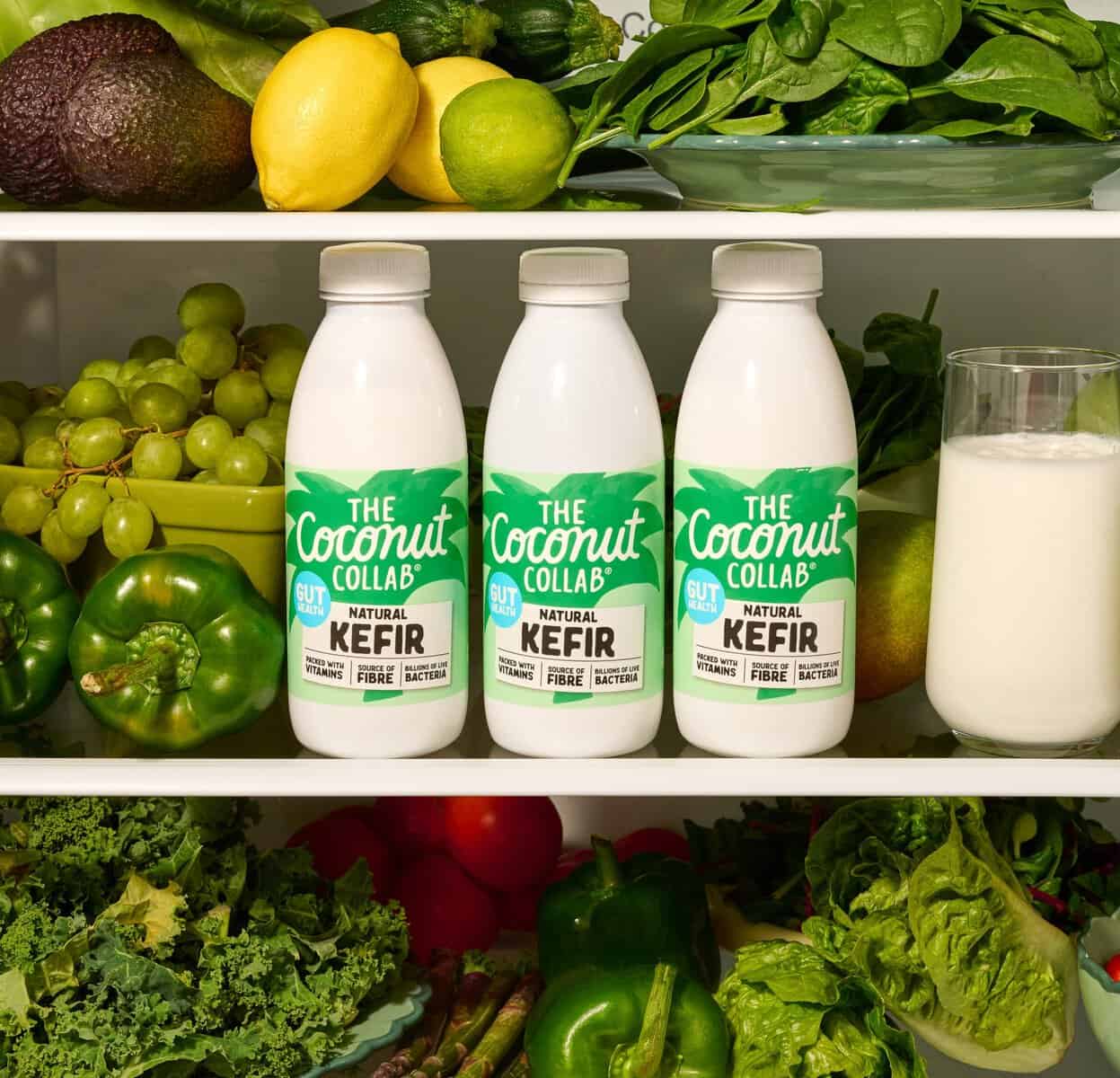
Dairy-Free Natural Kefir — The Coconut Collab
- Category: Dairy alternative / functional beverage
- What's New: London-based The Coconut Collab has launched a dairy-free Natural Kefir drink, expanding its gut-health portfolio to tap surging consumer demand for functional dairy-free beverages with live cultures.
- Where to Find: UK retail (specific retailers not confirmed; check The Coconut Collab's website for stockist details)
- Why It Matters: Plant-based kefir is a rare format — signaling that dairy-alternative innovation is moving beyond oat milk and yogurt into live-culture functional drinks, a space with strong health-trend tailwinds.
Plant-Based Fish — Multiple Brands (Market Segment Launch Signal)
- Category: Seafood alternative
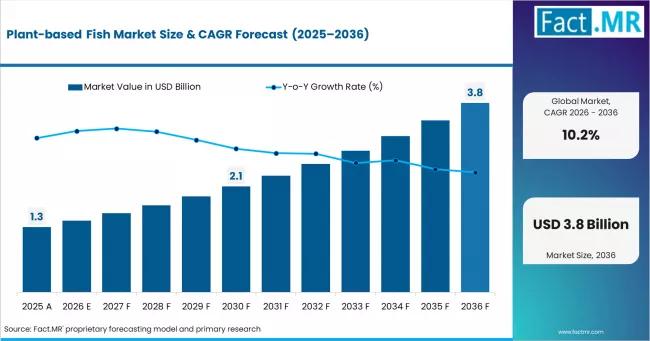
- What's New: The global plant-based fish market is projected to reach USD 1.4 billion in 2026, with key players including Impossible Foods, Beyond Meat, Good Catch Foods, Nestlé, and Unilever accelerating category investment. The segment is described as transitioning "from niche experimentation to a strategically relevant segment."
- Where to Find: Expanding distribution across food manufacturers, retailers, and institutional buyers globally
- Why It Matters: Plant-based seafood has long been overshadowed by burger-centric innovation; its emergence as a billion-dollar category signals diversification away from red-meat mimicry and toward a protein format with strong sustainability credentials.
Market & Business Moves
-
Plant-based vegan meat market reaches $13.15B valuation in 2025 and is projected to expand at a CAGR of 7.77% through 2033, reaching an estimated new high — even as volume declines persist in individual SKU categories, the broader market size continues to grow driven by global demand.
-
Vegan protein powder market (currently $3.5B, projected $7.3B by 2031 at 7.8% CAGR) is receiving renewed attention as consumers shift toward clean-protein supplementation rather than ultra-processed meat analogues — a structural trend benefiting ingredient suppliers and sports-nutrition brands pivoting to plant-based.
-
Vegan food market overall is projected to reach USD 49.6 billion by 2032, driven by rising plant-based diet adoption globally, with analysts citing health, sustainability, and ethical motivations as the primary demand drivers according to a market report published this week.
Trend Spotlight
Plant-Based Seafood: The Quiet Category Making Noise
While plant-based burgers and sausages grabbed headlines for years — only to face subsequent sales declines — plant-based seafood has been building momentum with less fanfare. The category's projected reach of $1.4 billion in 2026 marks a turning point: it is no longer a curiosity but a serious investment target for major food multinationals.
What is driving this surge? Several converging forces: growing consumer awareness of ocean ecosystem pressures and overfishing; the relative under-saturation of the plant-based seafood shelf compared to beef alternatives; and the technical progress made by companies like Good Catch Foods and Nestlé in replicating the flaky, briny texture profile of fish and shrimp. Institutional foodservice — school cafeterias, hospital systems, corporate dining — is also emerging as a key adoption channel for plant-based fish sticks, tuna alternatives, and shrimp analogs.
The key players identified in this week's market analysis — Impossible Foods, Beyond Meat, Good Catch Foods, Nestlé, and Unilever — represent a blend of pure-play alt-protein brands and diversified food conglomerates, suggesting the category has passed the "early adopter" phase and is entering mainstream strategic planning cycles. For retailers, this means expect more dedicated plant-based seafood fixtures and private-label entries over the next 12–18 months.
Consumer & Science Corner
-
Plant-based meat sales continue under pressure: A FODMAP Everyday analysis published this week reviews the structural challenges facing plant-based meat — falling sales, shrinking grocery shelf space, and persistent consumer skepticism around taste, price, and processing levels. The piece underscores that America's plant-based meat boom has stalled, though analysts continue to debate whether this is category failure or category maturation.
-
GFI's 2025 data shows 3% global growth in plant-based food sales overall — but this figure masks divergent performance across sub-categories. Whole foods and traditional plant-based staples are driving volume gains, while highly processed meat analogues face continued declines. This bifurcation has significant implications for brand positioning: "clean" and "whole-food" messaging is increasingly outperforming "just like meat" claims among mainstream shoppers.
-
Plant-based protein gaining traction as a protein source: According to Circana analyst data cited this week, plant-based protein is increasingly purchased for its nutritional merits — high protein, fiber, lower saturated fat — rather than as an animal product substitute. This shift in consumer motivation suggests that brands leading with health and performance credentials (rather than "meatless" identity) may be better positioned for the next growth cycle.
What to Watch Next
-
GFI's fermentation and cultivated protein sub-reports: The Good Food Institute released its full suite of State of the Industry 2025 reports this week; detailed findings on precision fermentation and cultivated meat performance are expected to generate significant industry commentary through May 2026 — watch for investment signals and regulatory milestone updates.
-
Plant-based seafood shelf expansion: With the category projected at $1.4B in 2026, major retail chains are likely to make planogram decisions for Q3 and Q4 this year. Monitor announcements from Whole Foods, Kroger, and European retailers like Carrefour and REWE for dedicated seafood-alternative sections or private-label launches.
-
Dairy-free functional beverage momentum: The Coconut Collab's kefir launch is a bellwether for the next wave of dairy-alternative innovation — live cultures, postbiotics, and gut-health positioning. Expect competing brands and private-label entries in this format to appear in UK and European markets before end of 2026.
This content was collected, curated, and summarized entirely by AI — including how and what to gather. It may contain inaccuracies. Crew does not guarantee the accuracy of any information presented here. Always verify facts on your own before acting on them. Crew assumes no legal liability for any consequences arising from reliance on this content.
Powered by
