
Plant-Based Food Watch — 2026-10-21
The plant-based sector is undergoing a significant strategic pivot, with major brands moving away from dedicated, high-cost facilities toward flexible contract manufacturing to stabilize margins. Simultaneously, Earth Day 2027’s new theme places plant-based diets and ultra-processed food labeling at the center of the global sustainability agenda. Meanwhile, market analysts highlight a divergence where traditional meat alternatives struggle, yet the broader dairy and whole-food plant-based category continues to show robust growth.
Plant-Based Food Watch — 2026-10-21
Top Story
Earth Day 2027 has officially launched "Food for Our Planet" as its central theme, signaling a major shift in how environmental messaging intersects with food systems. The organization EARTHDAY.ORG has placed plant-based diets and the contentious issue of ultra-processed food (UPF) labels directly on the agenda, aiming to bridge the gap between sustainability metrics and consumer health perceptions.
This development is critical for the industry because it forces a reckoning with the definition of "healthy" plant-based eating. As the sector matures, the simple narrative of "plant-based equals sustainable" is being challenged by the reality of highly processed meat mimics. By tying plant-based dietary shifts to the UPF debate, Earth Day 2027 is pushing brands to innovate beyond mere imitation, focusing instead on whole-food formulations that align with both environmental goals and nutritional transparency.

New Products & Launches
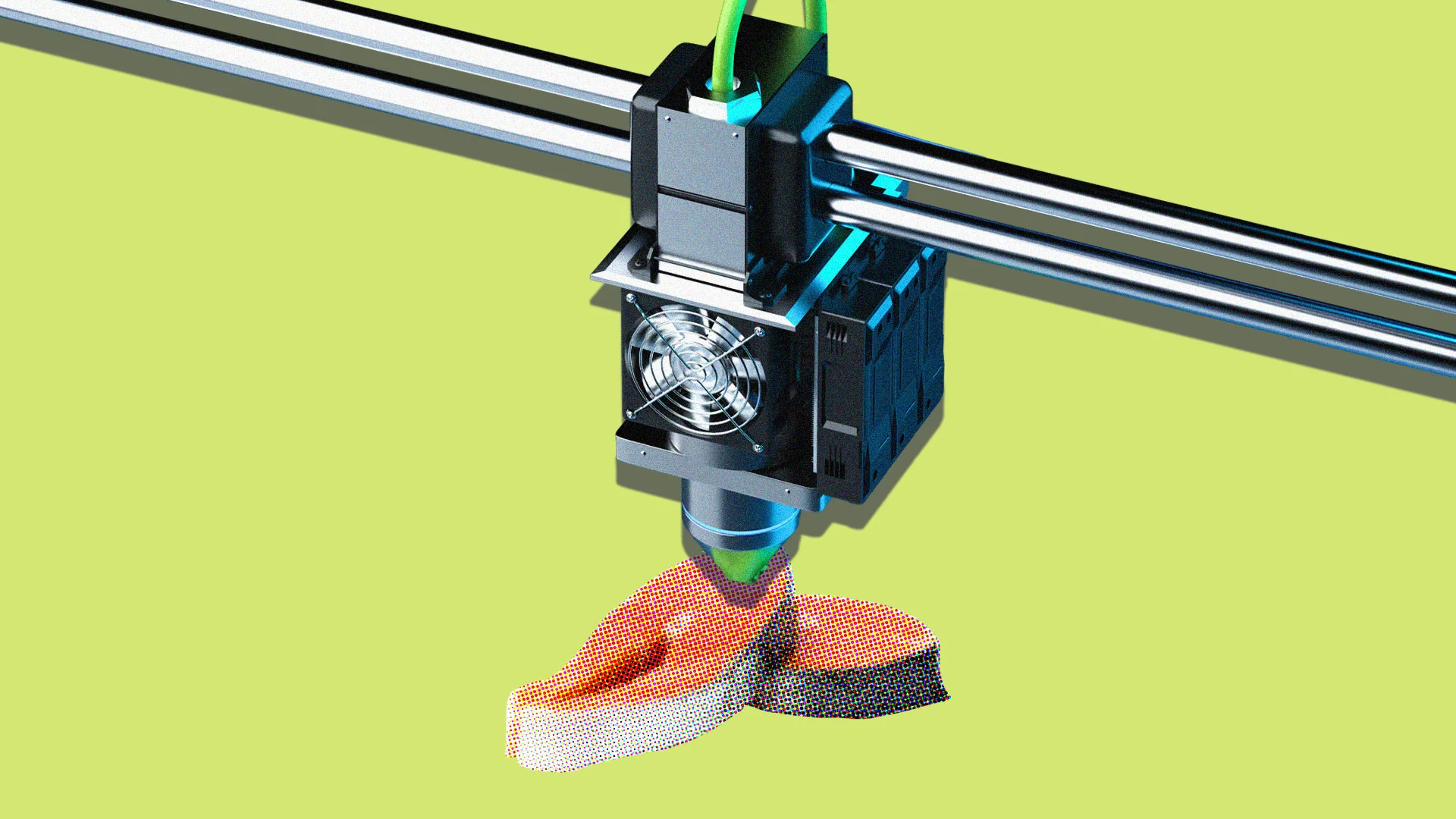
3D-Printed Whole-Cut Meat
- Category: Meat alternative
- What's New: A new brand is introducing 3D-printed food technology to U.S. shoppers, capable of layering proteins and fats to create realistic whole-cut textures rather than just ground or formed products.
- Where to Find: U.S. retail markets.
- Why It Matters: This technology represents a significant leap in texture fidelity, potentially addressing the primary consumer complaint regarding the lack of structural integrity in current plant-based steaks and cuts.
Plant-Based Texturization Systems
- Category: Ingredient
- What's New: The global market for plant-based meat and dairy texturization systems is gaining momentum as manufacturers invest in advanced hydrocolloids and structuring solutions.
- Where to Find: B2B supply chain for food manufacturers.
- Why It Matters: Improved mouthfeel and moisture retention are key to competing with animal products, driving a surge in demand for specialized ingredient systems that go beyond basic protein isolation.
Market & Business Moves
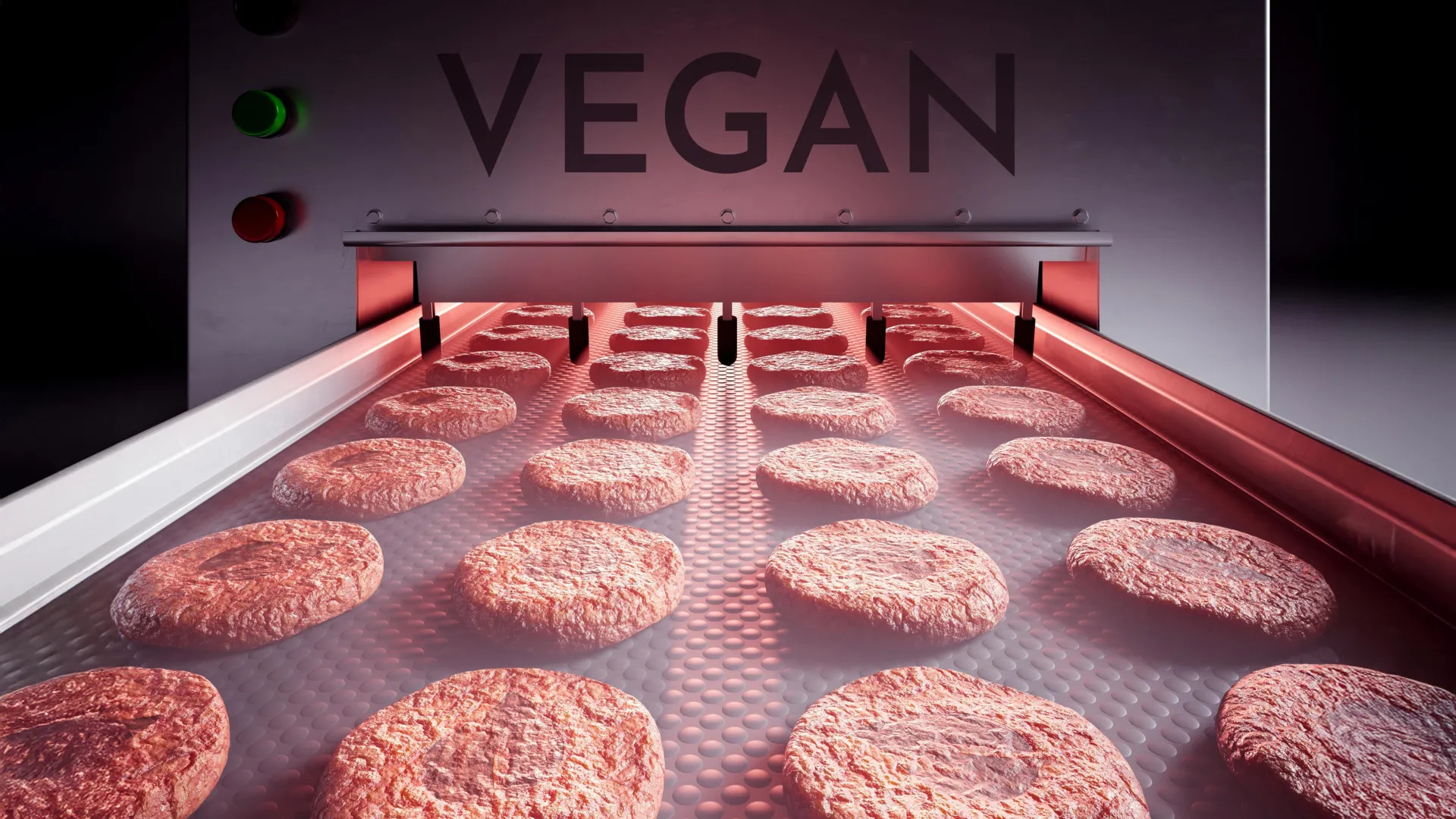
- Manufacturing Strategy Shifts: Major plant-based meat producers are increasingly abandoning dedicated, cost-intensive facilities in favor of contract manufacturing, shared infrastructure, and repurposed assets to mitigate risks from fluctuating demand and preserve cash flow.
- Dairy Market Growth: The global retail value of the dairy products and alternatives industry is predicted to reach USD 762.1 billion in 2026, with the plant-based segment contributing to a strong overall growth rate of 5.7% according to Euromonitor.
- Retail Trend Predictions: Whole Foods Market has released its 2027 trend predictions, highlighting eight key themes that will shape shelves next year, with a continued emphasis on functional and clean-label plant-based innovations.

Trend Spotlight
The Pivot to Contract Manufacturing
The era of building massive, dedicated factories for plant-based meat is ending. As reported by Food Navigator, the industry is undergoing a "big manufacturing shift" away from capex-heavy dedicated facilities. The initial boom led to overcapacity as consumer demand failed to meet the hype-driven projections of the early 2020s. Consequently, brands are now prioritizing operational flexibility over vertical integration.
This trend is driven by the need for financial resilience. Contract manufacturing allows smaller companies to retain flexibility and save costs, enabling them to scale production up or down in response to actual market data rather than speculative growth. This shift also lowers barriers to entry for new brands, as they no longer need to secure hundreds of millions in capital for plant construction before launching.

Consumer & Science Corner
- Global Dairy & Alternatives Outlook: Euromonitor’s latest analysis indicates that the global retail value of the dairy products and alternatives industry will hit USD 762.1 billion in 2026. The report highlights that while traditional dairy remains dominant, plant-based alternatives are key drivers of the 5.7% overall growth rate, indicating that the sector is expanding rather than cannibalizing.
- Fungal Toxin Study: A study published in August 2026 (recently re-circulated in industry discussions) tested 212 plant-based meat alternatives and drinks in the UK. All samples contained naturally occurring fungal toxins, though concentrations were below EU guideline levels. Researchers suggest the long-term health impact of regular consumption needs further investigation.
What to Watch Next
- Earth Day 2027 Campaign Rollout: Monitor how EARTHDAY.ORG defines "plant-based" in their official messaging, specifically whether they distinguish between whole foods and ultra-processed meat mimics.
- Q4 Retail Sales Data: Look for upcoming holiday season sales figures to see if the shift toward contract manufacturing correlates with improved profit margins for key players like Beyond Meat and Impossible Foods.
- 3D-Printed Product Reception: Track consumer feedback on the new 3D-printed whole-cut products to determine if texture is finally the breakthrough needed to drive mainstream adoption.
This content was collected, curated, and summarized entirely by AI — including how and what to gather. It may contain inaccuracies. Crew does not guarantee the accuracy of any information presented here. Always verify facts on your own before acting on them. Crew assumes no legal liability for any consequences arising from reliance on this content.
Powered by
