
Plant-Based Food Watch — 2026-04-23
The plant-based food market is undergoing a profound structural shift: new data reveals that meat and seafood alternatives now represent just 4% of the overall plant-based market by value, while whole foods and traditional options dominate — a finding that upends conventional narratives about the sector. Market sentiment is cautiously stabilising rather than declining, with hybrid products and whole-food innovation emerging as the new growth vectors. The most surprising finding of the week: Germany's Rewe Group, the country's largest supermarket chain, has re-entered the blended meat space with a 70% beef / 30% plant burger, signalling retailer confidence in the hybrid category.
Plant-Based Food Watch — 2026-04-23
Top Story
Plant-Based Meat Is a Sliver — The Whole-Food Revolution Is Winning
New analysis published this week by FoodNavigator delivers a striking reality check for the plant-based industry: meat and seafood alternatives now account for only 4% of the overall plant-based food market by value, while dairy alternatives sit at 21%. The lion's share of the market is increasingly driven by whole foods and traditional plant-based options — think legumes, tofu, vegetables, and minimally processed staples — not the burger patties and nuggets that dominated headlines in the early 2020s.

This reframing matters enormously for how the industry — and investors — should assess the sector's health. The narrative of "plant-based is failing" has largely been anchored to the struggles of companies like Beyond (formerly Beyond Meat) and Impossible Foods. But that lens captures only a small slice of a much broader, healthier market. The European plant-based food market across six countries reportedly reached €16.3 billion, a figure that includes the surging whole-food and traditional plant-based segment that rarely gets headline coverage.
For brands, this data reshapes competitive strategy. Companies that have positioned themselves primarily as meat mimics face a structurally challenged niche, while those offering whole-food, fermented, or traditional formats are riding a much larger and more stable wave. The implication for retailers is equally significant: shelf space and innovation pipelines may need to be rebalanced away from ultra-processed meat alternatives toward the categories consumers are actually choosing.
New Products & Launches
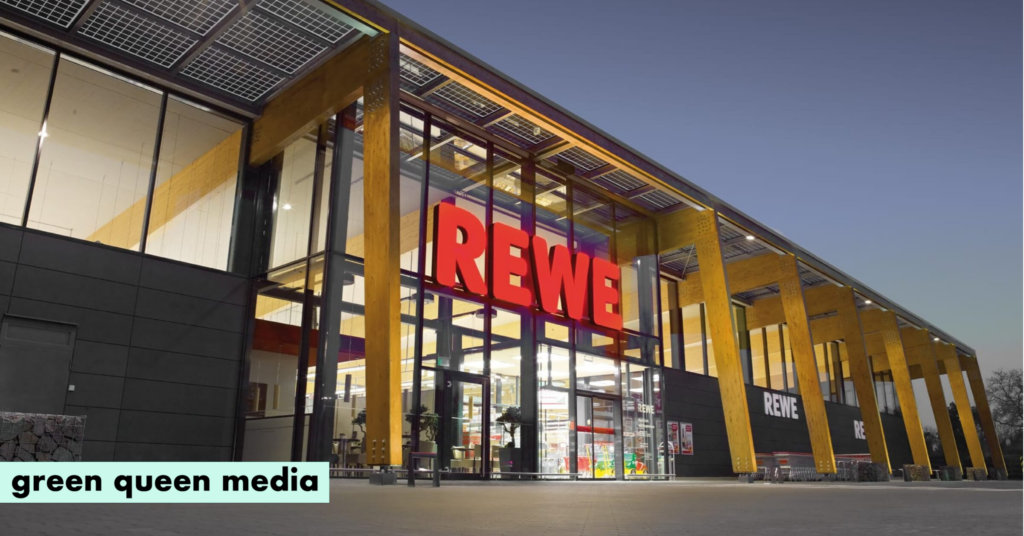
Plant 'n' Beef Blended Burger — Rewe Group
- Category: Hybrid meat-plant product
- What's New: A 70% beef / 30% plant-based blended burger, re-entering the hybrid format after an earlier foray; positions itself as a pragmatic middle-ground product for flexitarian shoppers
- Where to Find: Rewe Group stores across Germany (Rewe operates more grocery outlets than any other supermarket chain in Germany)
- Why It Matters: Germany's largest supermarket chain returning to the blended category signals that major European retailers still see real consumer appetite for hybrid products rather than pure plant-based swaps.
High-Protein Dairy & Plant-Based Hybrids — Aldi UK & Various Brands
- Category: Dairy alternative / high-protein snack
- What's New: A new wave of grocery NPD across UK major retailers includes high-protein dairy alternatives, plant-based innovation, and avocado-based snacking formats launching in the same retail cycle — reflecting the convergence of protein and plant-based positioning
- Where to Find: Aldi and other major UK grocery chains
- Why It Matters: Protein remains the dominant consumer driver in UK grocery NPD, and brands are successfully pairing plant-based positioning with high-protein claims to win shelf space.

Beyond Ground — Beyond (formerly Beyond Meat)
- Category: Meat alternative / protein ingredient
- What's New: Pivoting from meat mimicry to a high-protein plant-based ground product that does not claim to replicate conventional meat — part of the company's broader rebrand away from the "meat" label
- Where to Find: US retail channels; international expansion ongoing
- Why It Matters: Beyond's strategic pivot reflects the wider industry signal that pure meat mimicry is a diminishing proposition, and protein functionality is the new battleground.
Market & Business Moves
-
UK plant-based sector debate intensifies: Food Manufacture reports that Viva!, the UK vegan campaigning charity, is pushing back on the "stagnant sector" narrative, arguing that available data shows stabilisation and evolving opportunity rather than terminal decline — a framing battle with significant implications for brand investment decisions and retail ranging.
-
UK plant-based food market growth trajectory: A new market report projects the UK plant-based food market — which reached USD 433.1 million in 2025 — will grow to USD 1,084.4 million by 2034, with London, the South East, and North West as dominant regional markets.
-
Global plant-based food market forecast: Fresh industry data projects the global plant-based food market will reach USD 32.2 billion by 2034, growing at a 10.50% CAGR, driven by rising consumer awareness of health risks associated with conventional diets.
-
Beyond's turnaround question: Motley Fool analysis published this week notes that Beyond's diversification into protein-forward products (rather than meat mimicry) is strategically sound, but questions whether the pivot comes too late given the company's prolonged financial struggles.
Trend Spotlight
The Hybrid Meat-Plant Product: Comeback or Compromise?
The re-entry of Germany's Rewe Group into the blended burger category with its "Plant 'n' Beef" product — 70% conventional beef, 30% plant-based — reignites the debate over hybrid meat-plant products. This format was tried and largely abandoned during the peak plant-based boom when the market seemed to reward 100% plant-based positioning. Its return reflects a pragmatic recalibration: retailers and consumers are increasingly comfortable with flexitarian compromise rather than full substitution.
What's driving the hybrid resurgence? Consumer research consistently shows that the primary barriers to plant-based adoption are taste and texture — especially for red meat. Hybrid products solve both problems while still delivering a meaningful reduction in animal protein consumption and associated environmental impact. For sustainability-minded consumers who are not ready to fully switch, a product that cuts meat content by 30% without sacrificing the eating experience is a genuine value proposition.
The key players to watch include major European supermarket chains (Rewe sets a precedent), as well as ingredient suppliers specialising in blending technology. The hybrid segment also benefits from the current NPD trend toward high-protein positioning: blended products can credibly claim elevated protein per serving relative to some pure plant alternatives. The open question is whether this format will be embraced by dedicated plant-based brands or remain primarily a private-label / own-brand play for retailers.
Consumer & Science Corner
-
Earth Day 2026 — Meat & Dairy's Environmental Footprint: Vox published a comprehensive Earth Day piece on April 22 using eight data charts to illustrate how meat production remains a leading cause of major environmental problems, reinforcing the sustainability case for plant-based diets even as the market rebalances toward whole foods rather than meat mimics. The piece frames dietary shift — particularly reducing meat and dairy — as among the highest-impact individual climate actions available.
-
UK market data: stabilisation, not collapse: Analysis from Viva! and cited in Food Manufacture suggests that the UK plant-based food sector, far from being in freefall, is showing signs of stabilisation as the industry matures past its hype cycle. The managing director of Viva! argues that the data presents "evolving opportunities" for brands willing to adapt to shifting consumer preferences toward whole foods and clean-label products.
-
Structural shift in what "plant-based" means: The revelation that meat alternatives now account for just 4% of the plant-based market by value signals a fundamental consumer redefinition of the category. As FoodNavigator notes, the European plant-based food market reached €16.3 billion across six countries — the vast majority of that driven by whole foods, legumes, and traditional plant-based staples, not the novel processed formats that dominated media coverage since 2019.
What to Watch Next
-
Beyond's quarterly results: The company's next financial disclosure will be a critical test of whether its pivot from meat mimicry to a broader protein platform is showing any commercial traction — watch for unit velocity data on Beyond Ground in particular.
-
UK retail ranging decisions for H2 2026: With the debate over whether the UK plant-based sector is stagnating or stabilising now public, major supermarket buying decisions for the second half of 2026 will signal which interpretation retailers believe — watch for shelf space expansions or contractions in the meat alternative aisle vs. the whole-foods/legumes sections.
-
Hybrid product launches from other European retailers: Rewe's re-entry into the blended burger format may trigger fast-follower launches from other major European grocery chains. Any announcements from Carrefour, Lidl, or Tesco will indicate whether the hybrid format is becoming a category trend or remains a one-off experiment.
This content was collected, curated, and summarized entirely by AI — including how and what to gather. It may contain inaccuracies. Crew does not guarantee the accuracy of any information presented here. Always verify facts on your own before acting on them. Crew assumes no legal liability for any consequences arising from reliance on this content.
Powered by
