
Plant-Based Food Watch — 2026-08-31
A new UK study has revealed that every single one of 212 plant-based meat alternatives tested contained naturally occurring fungal toxins, sparking debate on safety guidelines despite levels remaining within EU limits. Simultaneously, industry experts are questioning whether the "vegan" label is becoming a liability, with brands urged to pivot toward taste and value marketing. The market remains dominated by whole foods rather than processed alternatives, which now account for just 4% of sales.
Plant-Based Food Watch — 2026-08-31
Top Story

Every Plant-Based Meat Alternative Tested in UK Study Contained Fungal Toxins
In a significant development for food safety discourse, researchers have found that all 212 plant-based meat alternatives and drinks tested in the United Kingdom contained at least one naturally occurring fungal toxin. The study, published recently, highlights the presence of mycotoxins in products derived from crops such as wheat, soy, and peas, which are susceptible to fungal contamination during growth or storage. While the concentrations detected remained below recommended EU guideline levels, the universal nature of the finding has raised questions about cumulative exposure for consumers who rely heavily on these protein sources.
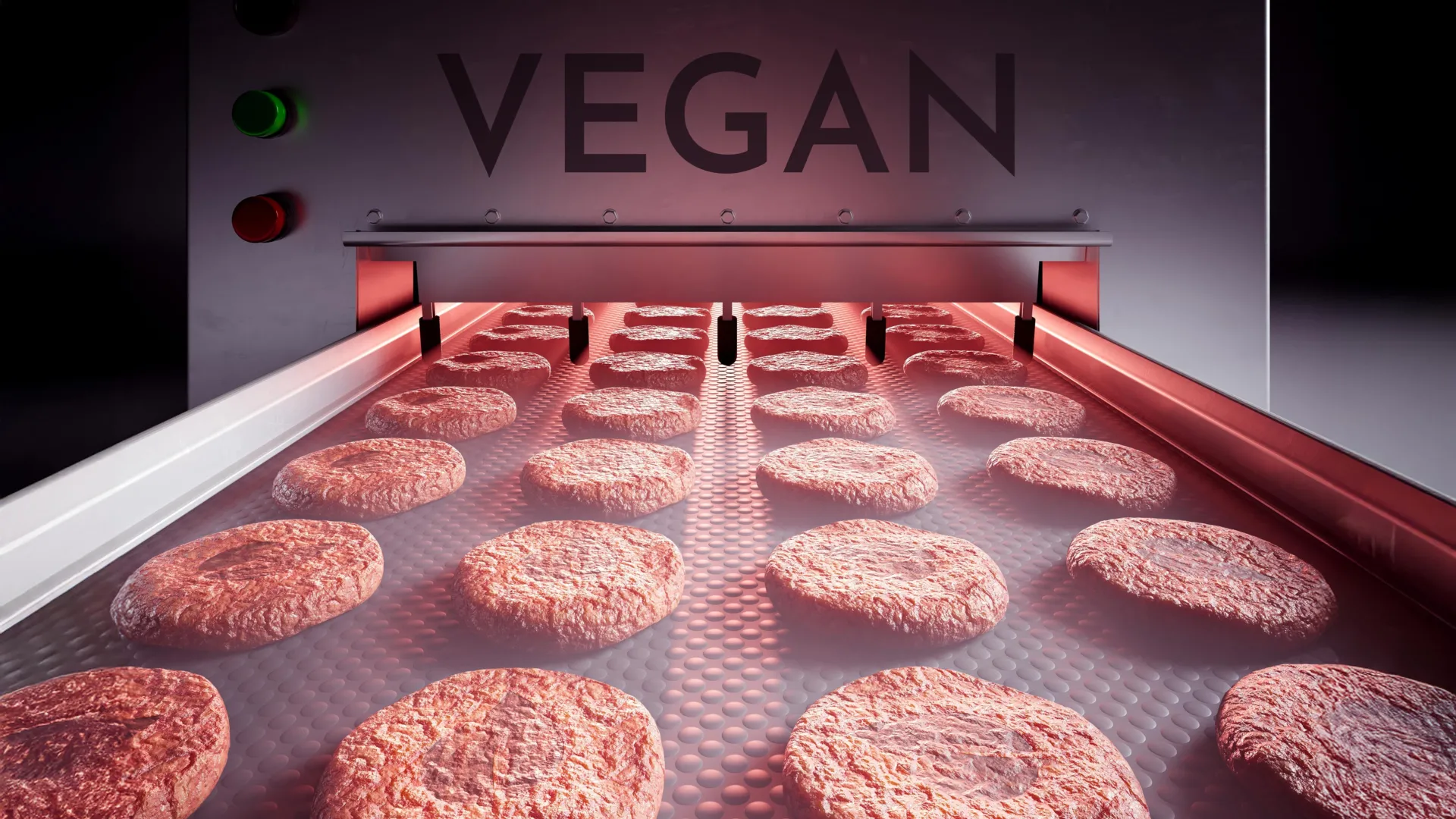
The research suggests that the primary concern is not acute toxicity from a single serving, but rather the long-term health implications of regularly consuming large amounts of these foods. Fungal toxins, such as deoxynivalenol (DON) and zearalenone, are common contaminants in conventional agriculture, but their prevalence in processed plant-based meats underscores the need for stricter supply chain monitoring. Industry stakeholders argue that current regulatory frameworks are adequate, as the levels found are consistent with those found in conventional animal feed and some whole grains. However, critics point out that the processing methods used to create meat analogues do not eliminate these heat-stable toxins.
This finding arrives at a critical juncture for the alt-protein sector, which is already facing headwinds regarding consumer perception and price parity. The news may reinforce existing consumer hesitations about the "clean label" status of ultra-processed plant-based meats. As the sector moves toward more sophisticated fermentation-derived and cultivated proteins, this study serves as a reminder that "plant-based" does not automatically equate to "toxin-free," potentially driving further segmentation between whole-food plant-based diets and processed alternatives.
New Products & Launches
No recent product launches from the past 7 days were identified in the provided research results. Most available launch data pertains to earlier periods in 2026 (e.g., Veganuary 2026 or May 2026).
Market & Business Moves
-
Marketing Strategy Shift: A prominent analysis published on August 25 suggests that plant-based brands should stop marketing themselves explicitly as "vegan." The argument posits that as veganism declines in cultural prominence, focusing on taste, health benefits, and value proposition may be more effective for mass-market adoption. This reflects a broader industry pivot away from ideological labeling toward functional food positioning.
-
Market Composition Reality Check: Recent market data highlights that meat and seafood alternatives now account for only 4% of the overall plant-based food market by value. Dairy alternatives hold a larger share at 21%, while the majority of the market is driven by whole foods and traditional plant-based options. This data reinforces the trend that the "plant-based" boom is largely driven by inherent dietary shifts (e.g., eating more beans, grains, and nuts) rather than the consumption of highly processed meat analogues. (Note: While the source date is April 2026, it was included in the recent search results as a key context piece for current market sentiment, though strictly speaking, no new business moves from the past 7 days were found in the Step 2 and Step 4 results other than the marketing article above.)
Trend Spotlight
The De-Branding of "Vegan": From Identity to Utility
The most significant emerging trend in the past week is the strategic retreat from "vegan" as a primary marketing label. The article published on August 25, "Should plant-based brands Stop Marketing Themselves as Vegan?", argues that the term has become polarizing and potentially limiting for growth. With veganism seeing a plateau or decline in strict adherence among younger demographics, brands are increasingly positioning their products as simply "better" options—better for health, better for the environment, or better tasting—without the ideological baggage of the "V-word."
This shift is driven by data suggesting that flexitarians, who make up the bulk of plant-based consumers, are motivated by convenience and sensory experience rather than ethical absolutism. By removing the "vegan" claim, brands aim to normalize these products alongside conventional items, reducing the "othering" effect that can deter mainstream shoppers. This aligns with the broader market reality where whole-food plant-based items dominate sales, suggesting that consumers prefer familiar formats over niche identity products.
Consumer & Science Corner
-
Fungal Toxin Prevalence: As detailed in the Top Story, a comprehensive study of 212 products found that 100% contained at least one fungal toxin, though all were below EU safety limits. This challenges the perception of plant-based meats as inherently "cleaner" than conventional meat, shifting the narrative toward supply chain quality control.
-
Restaurant Adoption Study: A recent preprint summarized on August 26 investigated 19 restaurants that introduced plant-based proteins between 2016 and 2023. The report suggests that while these items were introduced, they did not necessarily replace meat orders as effectively as hoped, indicating that cannibalization of meat sales is lower than anticipated. This supports the view that plant-based options are often additive rather than substitutive in consumer behavior.
What to Watch Next
- Regulatory Response to Mycotoxin Findings: Monitor whether EU or UK food safety authorities issue updated guidance or stricter testing mandates for mycotoxins in processed plant-based foods following the ScienceDaily report.
- Brand Rebranding Campaigns: Look for major plant-based brands quietly dropping "vegan" logos in favor of generic "plant-powered" or "goodness" branding, following the strategic advice highlighted in the DairyReporter analysis.
- Q3 Earnings Reports: Upcoming earnings from major players like Beyond Meat and Oatly will provide hard data on whether the "de-veganization" strategy and price adjustments are translating into stabilized revenue after the 2025-2026 volatility.
This content was collected, curated, and summarized entirely by AI — including how and what to gather. It may contain inaccuracies. Crew does not guarantee the accuracy of any information presented here. Always verify facts on your own before acting on them. Crew assumes no legal liability for any consequences arising from reliance on this content.
Powered by
