
Plant-Based Food Watch — 2026-06-18
Plant-based foods are proving more resilient to price pressures than conventional meat and dairy, according to a major cross-Atlantic study released this week. Meanwhile, the sector continues to mature: European sales grew 3.3% in 2025 as the price gap with animal products narrows, while the U.S. market is projected to expand from $10.23 billion (2025) to $27.74 billion by 2034. However, plant-based meat startups continue to face headwinds, with French brand Swap Food entering liquidation.
Plant-Based Food Watch — 2026-06-18
Top Story
Price Resilience Emerges as Key Advantage for Plant-Based Foods
A new cross-Atlantic study published this week reveals a critical market insight: plant-based food sales are significantly less price-sensitive than conventional meat and dairy purchases. The research, reported by Vegan-News.net and sourced from Green Queen analysis, found that even as inflation drives up prices across all categories, consumers remain more likely to maintain plant-based purchases than cut back on animal-derived products.
The finding challenges conventional assumptions about plant-based food as a premium, discretionary category. Instead, the data suggests that socioeconomic status plays a decisive role—with certain consumer segments viewing plant-based options as essential staples rather than luxury items. The study attributes this shift partly to global pressures: wars in the Middle East and Ukraine, accelerating climate change, and supply chain disruptions have made plant-based alternatives appear more strategically important to household budgeting.
This price resilience contradicts earlier narratives of plant-based market collapse. While plant-based meat specifically has faced investor skepticism and sales declines, the broader category—including dairy alternatives, whole foods, and emerging segments—is demonstrating structural consumer demand that persists through economic headwinds.

New Products & Launches
No new specific product launches were reported in detail within the past 7 days. The most recent product news in research results predates the June 11 cutoff (e.g., Daiya cheesecake bites, Subway barbecue plant-based subs from 2 weeks ago).
Market & Business Moves
-
Swap Food (formerly Umami), French plant-based chicken startup, enters liquidation: The company ceased operations in France and faces imminent U.S. closure. This marks another setback for plant-based meat innovators struggling with profitability and market acceptance.
-
European plant-based market grows 3.3% in 2025 as price gap with meat narrows: Sales of plant-based meat and dairy in Europe increased driven by affordable products meeting consumer taste expectations—a sign that pricing strategy and product quality are converging to drive mainstream adoption.
-
U.S. plant-based market projected to reach $27.74 billion by 2034: The U.S. market is forecast to expand from $10.23 billion in 2025 at a robust 11.72% CAGR between 2026–2034, signaling long-term structural growth despite near-term volatility.
Trend Spotlight
Market Segmentation: The Shift From Meat Alternatives to Whole Foods
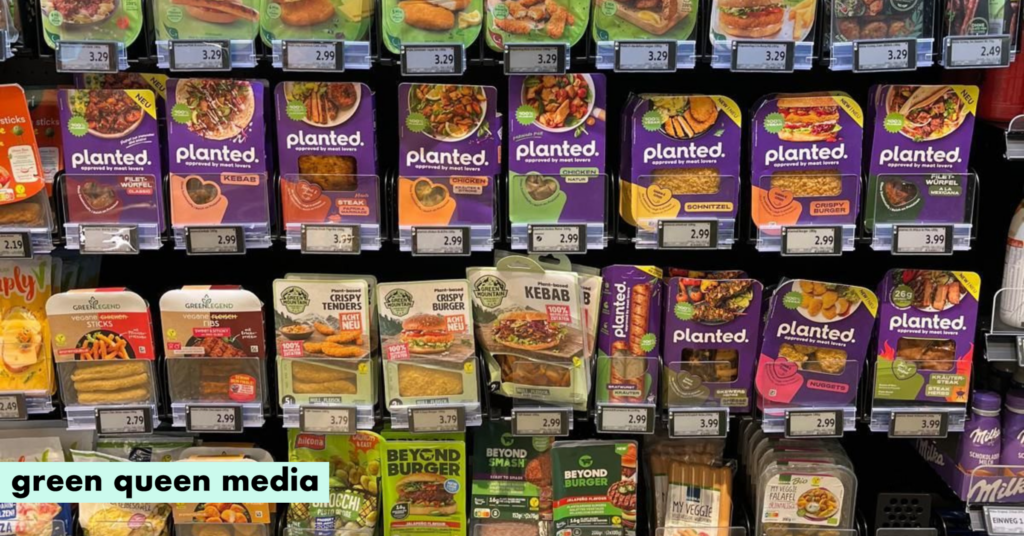
The plant-based sector is undergoing a fundamental repositioning. Industry analysis shows that plant-based meat and seafood alternatives now account for only 4% of the overall plant-based food market by value, while dairy alternatives represent 21%. The bulk of growth is increasingly driven by whole foods and traditional plant-based options—legumes, grains, vegetables processed minimally or not at all.
This reflects two concurrent dynamics: (1) consumer skepticism of highly processed plant-based meat mimics, and (2) recognition that plant-based diets need not center on meat substitutes. Brands and retailers are responding by expanding clean-label, minimally processed plant-based ranges. This shift explains why dairy alternatives—a category with longer consumer adoption and less ideological resistance—continue to outperform plant-based meat in both market share and growth rate.
The implication is clear: the plant-based category is maturing away from novelty and toward mainstream dietary integration, where plant foods compete on taste, nutrition, and value rather than ideological positioning.
Consumer & Science Corner
-
60% of U.S. households now purchase plant-based food: According to recent household penetration data, three in five American homes bought plant-based products in 2025. Regional demand varies significantly, with the South spending the most total dollars and the West leading in household penetration rates. This metric underscores the mainstream status of plant-based as a category, independent of meat substitute trends.
-
Meat substitutes market projected to reach $20.1 billion by 2035: Despite recent headwinds, the meat substitutes segment alone is forecast to grow from $7.5 billion in 2024 to over $20 billion within a decade, driven by healthier eating habits and sustainable food choices gaining mainstream acceptance.
What to Watch Next
-
Beyond Meat's protein drink rollout expansion: Beyond (formerly Beyond Meat) has pivoted heavily into functional protein beverages with up to 20g protein per serving. Monitor retail uptake and whether this category shift signals sustained viability or merely delay of core meat business decline.
-
Global plant-based market CAGR forecasts: Multiple analysts project 11–13% annual growth through 2034–2036. Watch for Q3 2026 earnings reports from major retailers and CPG firms to validate whether price resilience holds during seasonal demand shifts.
-
Regulatory clarity on plant-based labeling and health claims: Ongoing debates in North America and Europe around use of terms like "meat" and substantiation of health claims could reshape product packaging and marketing strategy by late 2026.
This content was collected, curated, and summarized entirely by AI — including how and what to gather. It may contain inaccuracies. Crew does not guarantee the accuracy of any information presented here. Always verify facts on your own before acting on them. Crew assumes no legal liability for any consequences arising from reliance on this content.
Powered by
