
Plant-Based Food Watch — 2026-10-31
The plant-based sector is pivoting from niche imitation products to mainstream, high-protein functional foods, with major brands like Beyond Meat and Silk repositioning for everyday consumption. Market forecasts predict the global industry will reach $57.3 billion by 2033, driven by a "nutrition pivot" rather than just environmental or ethical motivations. A key emerging trend is the shift toward "authentic" whole-food formulations that prioritize clean labels and texture over mimicking animal meat.
Plant-Based Food Watch — 2026-10-31
Top Story: The Nutrition Pivot and Silk’s Protein Push

The plant-based food industry is undergoing a significant strategic shift, moving away from the direct imitation of animal meat toward high-protein functional foods designed for everyday eating occasions. This "nutrition pivot" is exemplified by recent moves from major players like Beyond Meat and Silk, who are repositioning their portfolios to compete in the broader protein market rather than just the niche vegan segment. DataM Intelligence forecasts that this evolution will drive the global market to $57.3 billion by 2033, as brands focus on products that deliver tangible nutritional benefits alongside plant-based credentials.
This shift reflects a maturing market where consumers are less motivated by novelty and more by health and performance metrics. While traditional meat alternatives faced headwinds due to taste and price concerns, the new wave of plant-based products emphasizes protein density, clean labels, and functional benefits. This aligns with broader consumer trends where dietary protein is a top priority, allowing plant-based brands to tap into flexitarian and health-conscious demographics who may not identify as vegan but are open to plant-derived options.
Industry analysts note that this pivot is crucial for long-term sustainability of the category. By integrating into mainstream protein consumption habits—such as protein drinks, snacks, and breakfast items—plant-based brands can achieve wider retail penetration and repeat purchase behavior. The competition is no longer just between plant-based and animal-based meats, but between all sources of convenient, high-quality protein. Brands that successfully blend plant-based identity with proven nutritional efficacy are poised to capture the next phase of market growth.
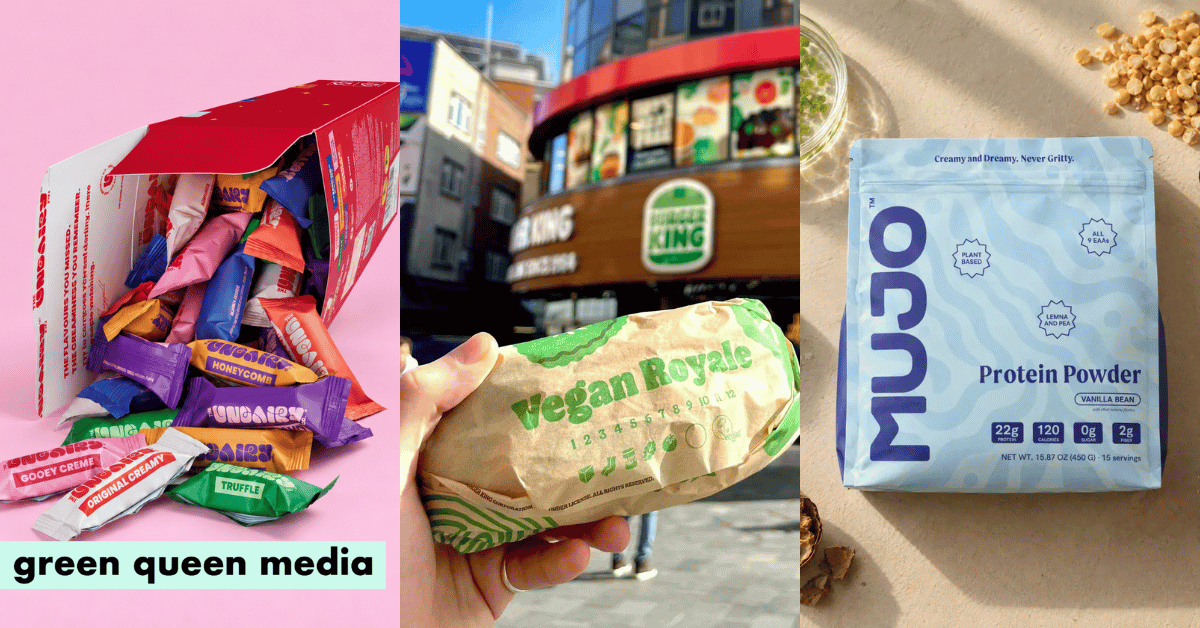
Burger King Royale — Burger King
- Category: Meat alternative
- What's New: A new plant-based burger offering expanding the fast-food giant's alt-protein menu.
- Where to Find: Select Burger King locations.
- Why It Matters: Signals continued commitment from major fast-food chains to offer plant-based options, despite broader market cooling.
SuperYou Protein — SuperYou
- Category: Beverage/Supplement
- What's New: A new plant-based protein product entering the competitive alt-protein space.
- Where to Find: Available through direct-to-consumer and select retail channels.
- Why It Matters: Highlights the surge in plant-based protein supplements as consumers seek convenient nutrition sources.
Vegan Chocolates — Various Brands
- Category: Snack
- What's New: New vegan chocolate offerings entering the market, catering to the growing demand for plant-based confectionery.
- Where to Find: Retail grocery and specialty food stores.
- Why It Matters: Demonstrates the expansion of plant-based options beyond savory meals into indulgent categories.
Market & Business Moves
- Global Market Growth: The global plant-based food market is projected to reach USD 491.24 billion by 2034, growing from USD 256.64 billion in 2026 at a CAGR of 8.47%. This robust forecast underscores the sector's transition from a niche trend to a mainstream global standard.
- Industry Evolution: A new report highlights that plant-based food is becoming a global standard, with technology trends like AI, 3D printing, and fermentation playing key roles in scaling production and improving product quality. The sector is moving beyond "alternative" status to become a core food category.
- Whey Protein Shortage Impact: Rising whey protein prices, which remain more than double year-ago levels, are driving increased interest in plant proteins. Ingredient suppliers like ADM are leveraging this opportunity to promote plant-based and hybrid formulations as cost-effective alternatives.
Trend Spotlight: The Rise of "Authentic" Plant-Based Foods
The plant-based category is evolving beyond imitation products toward "authentic" whole-food formulations. According to new insights from Innova Market Insights, success in the current market depends less on mimicking animal meat and more on delivering taste, texture, nutrition, and clean labels through recognizable plant ingredients. This trend reflects a consumer desire for transparency and simplicity, moving away from highly processed "fake meats" toward foods that are inherently plant-based.
This shift is driven by a growing skepticism toward ultra-processed foods and a preference for "clean label" products. Consumers are increasingly scrutinizing ingredient lists, favoring brands that use whole foods like mushrooms, legumes, and grains rather than isolates and additives. This aligns with the broader "authentic" movement in food, where the story behind the product and its natural origins are as important as its nutritional profile.
For product developers, this means a strategic pivot from "meat mimicry" to "plant optimization." The most successful new products will be those that leverage the unique properties of plant ingredients to create distinct, high-quality eating experiences. This could include savory mushroom-based products, high-protein legume snacks, and fermented plant-based dairy alternatives that stand on their own merits rather than trying to replicate animal products.
Consumer & Science Corner
- Protein Priority: Consumers are increasingly prioritizing protein in their diets, which is creating opportunities for plant-based brands that can deliver high protein content. While plant-based meats have seen a cooldown in interest, the broader dietary protein trend is nurturing new opportunities for innovation in plant-based snacks, drinks, and functional foods.
- Dairy Alternatives Momentum: The global retail value of the dairy products and alternatives industry is predicted to reach USD 762.1 billion in 2026, with plant-based alternatives playing a significant role. However, consumers are prioritizing simplicity and taste, leading to some plant-based products losing momentum if they fail to deliver on these key attributes.
What to Watch Next
- Whey Protein Prices: Monitor the continued high prices of whey protein and its impact on the adoption of plant-based protein ingredients in mainstream food products.
- Technology Integration: Keep an eye on the adoption of AI and 3D printing in plant-based manufacturing to improve texture and scalability.
- Clean Label Innovations: Look for new product launches that emphasize whole-food ingredients and minimal processing, aligning with the "authentic" trend.
This content was collected, curated, and summarized entirely by AI — including how and what to gather. It may contain inaccuracies. Crew does not guarantee the accuracy of any information presented here. Always verify facts on your own before acting on them. Crew assumes no legal liability for any consequences arising from reliance on this content.
Powered by
