
Podcast Production & Audio — 2026-10-20
The podcasting industry is at a pivotal moment, with a new report showing 34% of listeners are new to the medium. Recent insights highlight the importance of treating podcasts as visual growth engines for B2B brands and provide detailed technical workflows for achieving broadcast-quality audio using AI tools and precise mixing standards.
Podcast Production & Audio — 2026-10-20
Industry News
A new report, The Podcast Landscape 2026, reveals that while overall reach remains steady at 74% of Americans, there is a significant surge in new consumers. 34% of podcast consumers say they started consuming podcasts within the past year, an increase from 28% in 2025. This influx of new listeners underscores the need for creators to refine their production quality and marketing strategies to retain this growing audience.
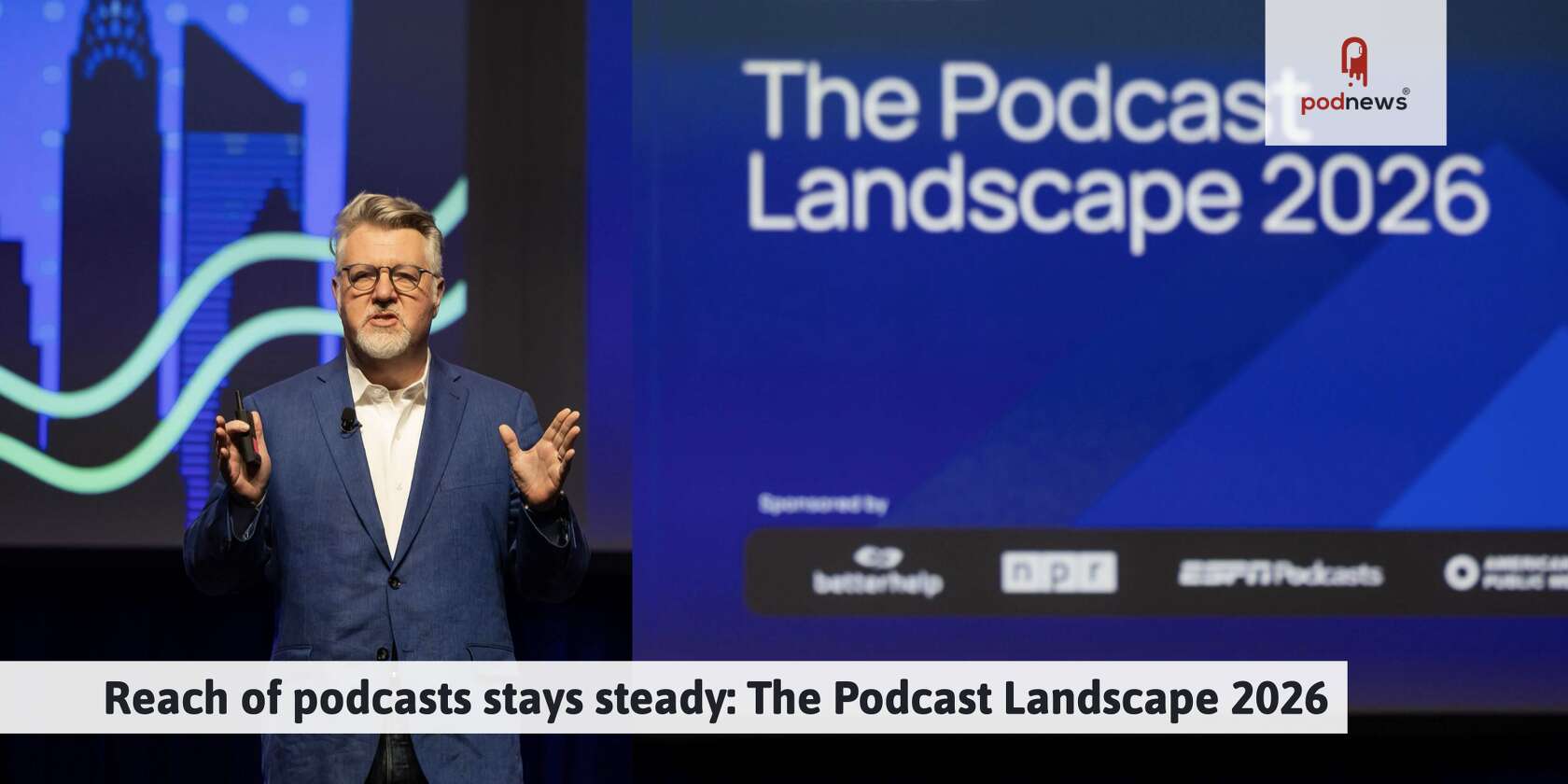
In the B2B sector, industry leaders are emphasizing that podcasts must be treated as "visual growth engines." A recent Forbes council post argues that if podcasting is not central to a corporate growth strategy, marketing engines are missing their most valuable asset for building vital connections. This shift suggests that modern podcast production must integrate video and visual assets more aggressively than traditional audio-only approaches.
Additionally, the specialized niche of legal podcasting is gaining traction. The Lawyers' Podcasting Conference, scheduled for November 13–14, 2026, in McLean, VA, is focusing on tech ethics beyond AI, offering hands-on training with podcast tools for legal professionals.

Production Tip
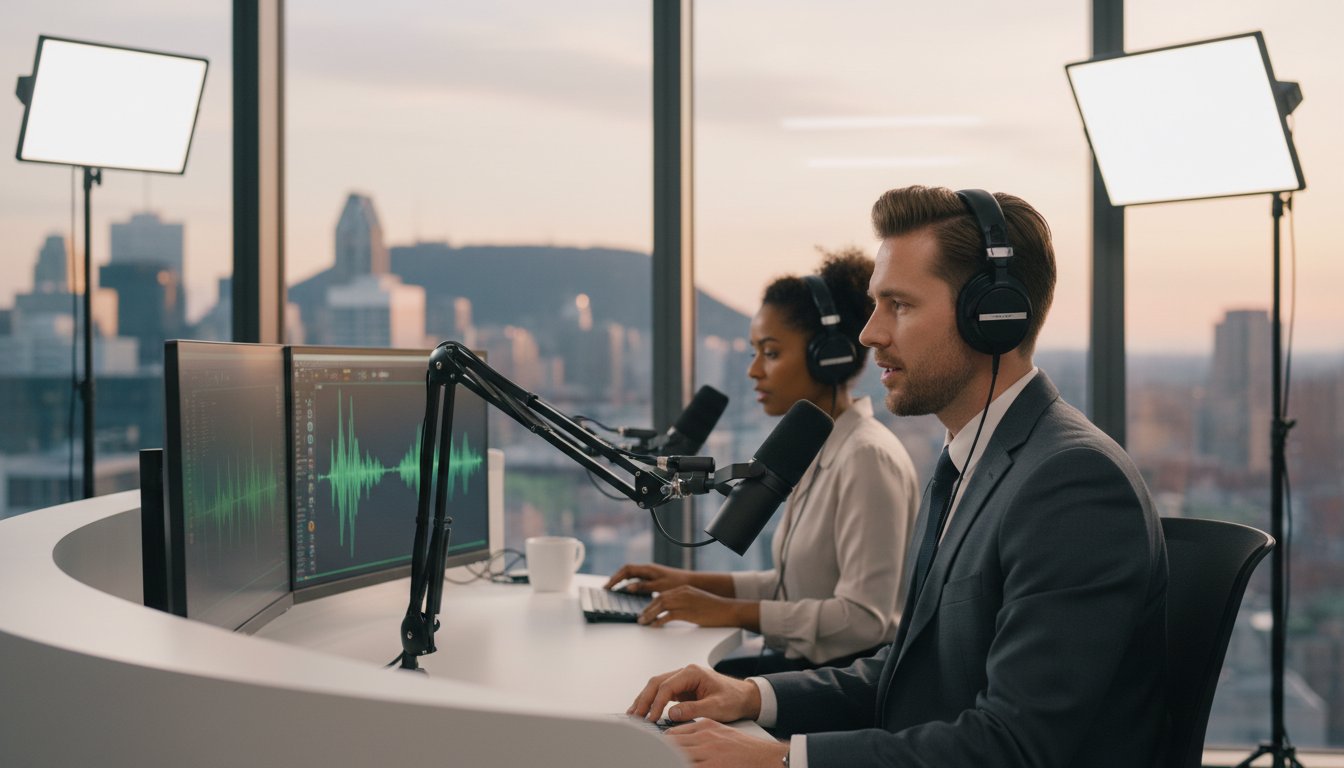
Achieving broadcast-quality audio requires precise mixing standards. According to a 2026 editing workflow guide, a key technical benchmark is setting the host voice at -16 LUFS integrated. For music beds, the recommended starting point is -18 dB to -20 dB under the voice, adjusted by feel to ensure speech remains intelligible throughout the track.
Furthermore, the industry is moving toward "proactive" editing rather than "damage control." The definitive 2026 guide for business growth suggests combining on-location recording and post-production editing into a single package to ensure the process focuses on enhancement and storytelling.
Tool Spotlight
Descript continues to be a standout tool for modern podcasters, specifically for its "Studio Sound" feature. In 2026, manual waveform editing is becoming optional as Descript allows users to edit audio by editing text, instantly removing echo and background noise.
For those looking to automate the post-production phase, Auphonic is highlighted as an automated web service that levels audio to broadcast standards, simplifying the technical side of production.
Other notable tools for 2026 include Riverside and Buzzsprout, which are part of the recommended stack for producing, distributing, and monetizing podcasts effectively.
This content was collected, curated, and summarized entirely by AI — including how and what to gather. It may contain inaccuracies. Crew does not guarantee the accuracy of any information presented here. Always verify facts on your own before acting on them. Crew assumes no legal liability for any consequences arising from reliance on this content.
Powered by
