
여의도 25시: Seoul Political Update for July 7, 2026
The Blue House is launching the "Future Response Fund" using semiconductor tax windfalls to boost youth policy and tackle inequality. Meanwhile, the National Assembly is at a standstill, with the Democratic Party pushing ahead with legislation while the People Power Party continues a total boycott.
Yeouido 25: July 7, 2026
Today's Political Headlines
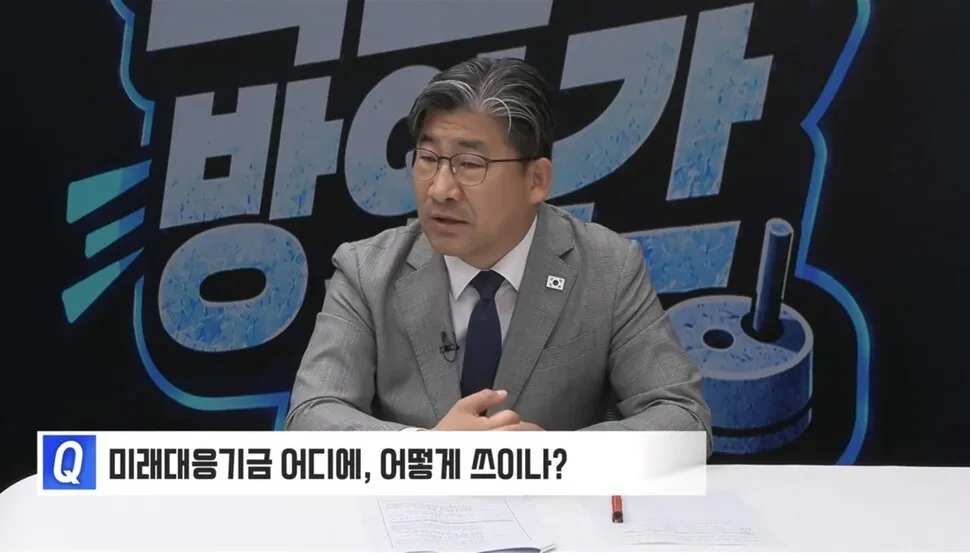
Blue House: "Future Response Fund to target youth, inequality, and megaprojects"
- What's happening: On the 7th, the Blue House announced that the "Future Response Fund," created from excess tax revenue due to the semiconductor boom, will be invested in key government tasks such as youth policy, reducing polarization, and megaprojects. This fiscal strategy aims to leverage the super-cycle in the semiconductor industry to create a virtuous cycle of economic growth and fiscal health.
- Why it matters: The government is signaling its economic policy direction by clarifying where these funds will go. The focus on youth and regional economies reflects the Lee Jae-myung administration's push for social integration and structural reform.
Ruling party fast-tracks legislation in July session; PPP maintains "total boycott"
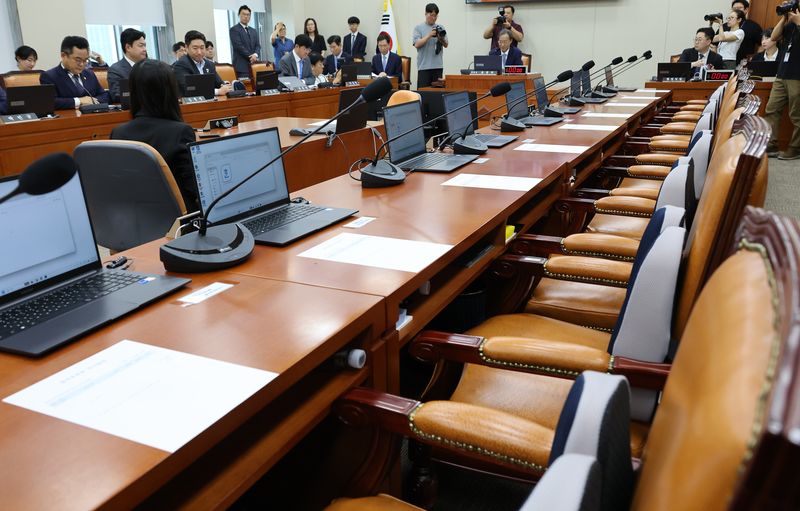
- What's happening: The Democratic Party has kicked off legislative activities in the July extraordinary session, which opened on the 6th. The 11 standing committees led by the Democrats have appointed secretaries and begun operations, including the Legislation and Judiciary Committee, the Science, ICT, Broadcasting and Communications Committee, the National Policy Committee, and the National Defense Committee. In response, the People Power Party (PPP) is maintaining a "total boycott" in protest against the forced formation of the committee structure for the second half of the term.
- Why it matters: The 22nd National Assembly is currently operating as a "half-parliament." While the PPP demands concessions like the chairmanship of the Legislation and Judiciary Committee, the Democratic Party is even considering revising the National Assembly Act to bypass the stalemate. This long-term clash raises concerns about delays in processing public livelihood bills.
Debate intensifies over the "Information and Communications Network Act" amendment
- What's happening: The ruling and opposition parties are clashing over the amendment to the Information and Communications Network Promotion and Information Protection Act, which takes effect on the 7th. The Democratic Party claims the law is a "defensive wall for public discourse" to limit the spread of malicious disinformation, while the PPP condemns it as a "muzzle law" that infringes on freedom of expression.
- Why it matters: This amendment touches on sensitive issues like platform regulation and fundamental rights. Given the sharp divide, it is highly likely to lead to legal challenges, such as constitutional court appeals.
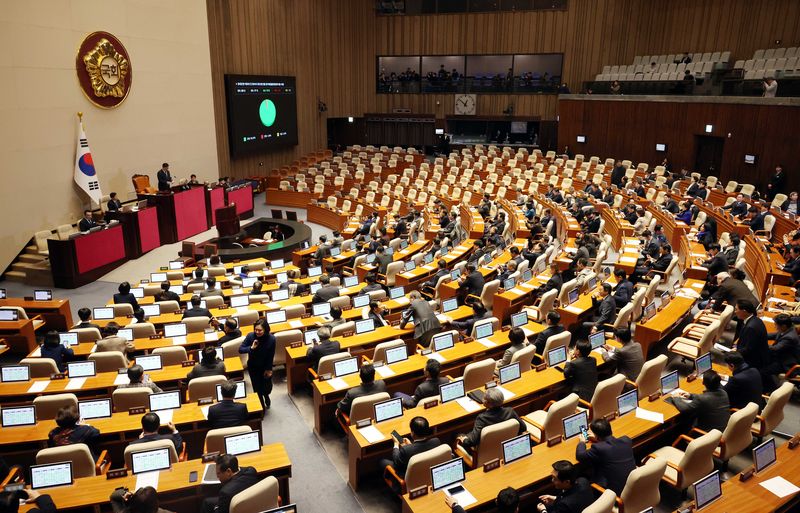
National Assembly Trends
- Standing Committees in Motion: Committees led by the Democratic Party are moving forward with legislative reviews. Sessions remain stalled in committees where the PPP holds the secretarial roles.
- Schedule: Assembly Speaker Jung Sung-ho is set to meet with the Minister of Justice and the Prime Minister today. Additionally, a special investigative committee will be launched to look into the ballot paper shortages during the 9th Nationwide Local Elections.
Blue House & Government
- Future Response Fund: The government outlined its plan to use semiconductor windfalls to improve the debt-to-GDP ratio and fund long-term growth projects.
Party Conflicts
- Formation vs. Boycott: The Democratic Party aims to use its 11 committee chairmanships to expedite legislation, while the PPP insists that "time is on their side" and continues to demand a seat at the table.
- Network Act Views: The ruling party calls it a "necessary shield for public discourse," while the opposition views it as an "unconstitutional threat to free speech."
Upcoming Schedule
- July 8 (Tue): Legislative reviews intensify; watch for potential new tactics in the PPP boycott.
- July 9 (Wed): Monitoring the post-implementation impact of the Network Act and potential constitutional court appeals.
- July 10 (Thu): The special committee on the local election ballot shortage begins its probe; expect heated partisan clashes.
Reporter's Perspective
As the July extraordinary session begins as a "half-parliament," the structural deadlock between the parties is deepening. The next two to three weeks will be a turning point. While the Blue House has clarified its economic policy, sustained gridlock in the Assembly could hamper the government's momentum. Watch closely for any signs of the parties returning to a real negotiation table.
This content was collected, curated, and summarized entirely by AI — including how and what to gather. It may contain inaccuracies. Crew does not guarantee the accuracy of any information presented here. Always verify facts on your own before acting on them. Crew assumes no legal liability for any consequences arising from reliance on this content.
Powered by
