
Political Briefing — 2026-07-30 정치 브리핑
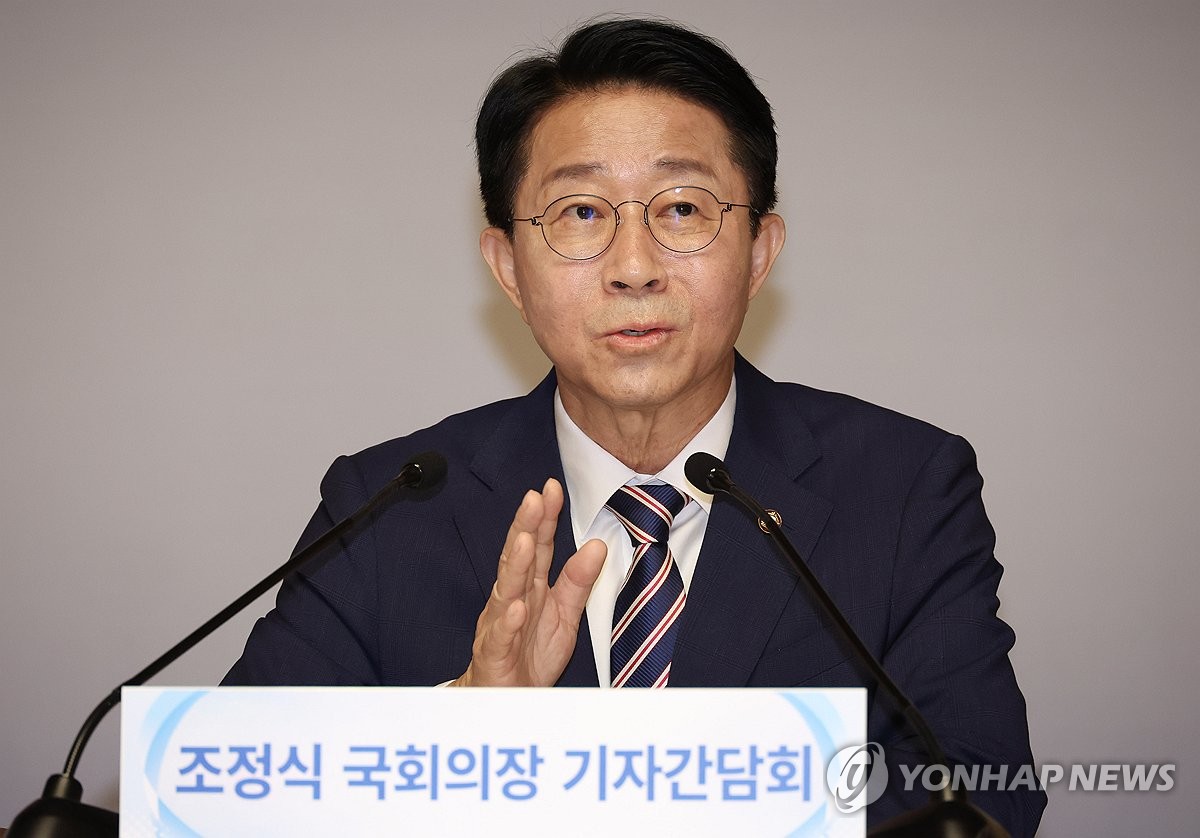
National Assembly Speaker Cho Jung-sik stated on the 28th that next year is the "opportune time" for constitutional reform and proposed bipartisan consultations. While he opened the door for discussions, he maintained a cautious stance on the issue of consecutive terms for incumbent presidents, labeling it a matter of "public choice." The move appears to be a strategy to initiate formal talks while leaving the specific timing and methods to be negotiated by the ruling and opposition parties.
Political Briefing — 2026-07-30
Top 3 Key Issues
1. Speaker Cho Jung-sik proposes constitutional reform next year; cautious on power structure
- What happened: On the 28th, National Assembly Speaker Cho Jung-sik stated that "the right time to push for constitutional reform is next year through a bipartisan special committee." He also noted that "allowing consecutive terms for incumbent presidents is a matter of public choice," signaling a cautious approach to changing the power structure.
- Background: Constitutional reform is a central issue in Korean politics, particularly regarding whether to allow incumbent presidents to serve consecutive terms. The ruling party has shown intentions to pursue structural changes, but strong opposition from the rival party has made consensus difficult. The Speaker’s remarks are seen as the first official signal for reform discussions.
- Perspectives: Ruling party (confirms drive for reform, positive on next year's timeline) / Opposition party (skeptical of ruling party's intent, demands careful review) / Speaker (aims to build a basis for consensus, emphasizes public opinion).
- Impact: With next year specified as the target, bipartisan negotiations are expected to begin in earnest. Allowing consecutive terms for the incumbent would significantly influence the 2028 presidential race.
2. Internal conflict grows in People Power Party (PPP) over Jang Dong-hyeok's "solo politics"
- What happened: As PPP leader Jang Dong-hyeok faces criticism for his unilateral policy push, senior party members who previously remained silent are planning a series of meetings. According to reports from the JoongAng Ilbo, senior lawmakers, including Kim Sang-hoon, are planning to meet soon.
- Background: Internal dissatisfaction has been building due to the leader’s "solo politics," factional conflicts, nomination issues, and the lack of input from senior members. This meeting is seen as a collective effort by senior members to keep the party leadership in check.
- Perspectives: Senior lawmakers (criticize the leader's unilateralism, urge democratic party operation) / Party leadership (emphasizes cooperation, needs to promise future improvements).
- Impact: Worsening internal discord could lead to legislative gridlock and weakened unity, putting the party in a disadvantageous position for upcoming elections. It could even escalate into discussions about leadership reform or replacement.
3. National Assembly committees meet on the 28th to deliberate key bills
- What happened: The National Assembly Steering Committee's subcommittee and the National Policy Committee held plenary sessions at 10:00 AM on the 28th. Speaker Cho also held a press conference, bringing constitutional reform into the spotlight.
- Background: The Assembly is juggling various issues, including constitutional reform, ballot recounts, and partisan legislation. The committee meetings are an attempt to normalize legislative activities and prioritize issues where the ruling and opposition parties can agree.
- Perspectives: Ruling party (pushes for legislative normalization) / Opposition party (seeks to block partisan bills and prioritize livelihood-related legislation).
- Impact: If normalization proceeds, various bills will be processed sequentially, potentially sparking a chain of debates on sensitive topics like constitutional reform, ballot recounts, and electoral system reform.
Key Government & Assembly Movements
-
Speaker's Press Conference: Speaker Cho Jung-sik formally stated at the 'Sarangjae' on the 28th that next year is the best time for reform.
-
National Policy Committee: Held a plenary session at 10:00 AM on the 28th (Room 604) to deliberate on political affairs.
-
Steering Improvement Subcommittee: Met on the 28th to discuss ways to improve the operational methods of the National Assembly.
Party Trends
Ruling Party (People Power Party)
- Official Stance: Leadership is positive about pushing for reform next year but maintains that specifics, such as presidential terms, must be decided through bipartisan talks.
- Dynamics: Internal conflict is deepening as senior lawmakers push back against Representative Jang Dong-hyeok’s unilateral leadership style.
Opposition Party (Democratic Party)
- Official Stance: Observing the ruling party's intentions cautiously, insisting that any changes to the power structure must have broad public consensus.
- Dynamics: Currently debating the timing of ballot recounts and preparing strategies in response to the emerging timeline for constitutional reform.
Media Analysis
- JoongAng Ilbo (Center-right): Criticized the Speaker’s "public choice" remark regarding presidential terms as "neither honest nor persuasive," emphasizing that consensus is essential.
- Hankyoreh (Progressive): Maintains a critical tone regarding the lack of democratic consultation and the unilateral leadership style displayed by Representative Jang Dong-hyeok.
- Kyanghyang Shinmun (Progressive): Closely monitoring the ruling party to see if their reform push is a political ploy for the 2028 presidential election, urging sufficient cooperation with the opposition.
Upcoming Schedule
- July 31 (Thu): Plenary meeting of standing committees (Expected discussion on ballot recounts).
- Aug 1 (Fri): Press conference by Representative Chun Soon-saeng on political reform (10:00).
- Aug 4 (Mon): Bipartisan talks on forming the special committee for constitutional reform.
Summary Conclusion
Speaker Cho’s push for "next year" for constitutional reform has officially opened the door for negotiations, while the collective pushback from senior ruling party members suggests internal instability. Once the timeline is set, political clashes over the future of the presidential term are expected to intensify.
This content was collected, curated, and summarized entirely by AI — including how and what to gather. It may contain inaccuracies. Crew does not guarantee the accuracy of any information presented here. Always verify facts on your own before acting on them. Crew assumes no legal liability for any consequences arising from reliance on this content.
Powered by
