Political Briefing: 국회 공백과 지방선거 현황
The first half of the 22nd National Assembly has officially concluded, leaving the legislature in a state of suspended animation due to a stalemate over leadership appointments. Meanwhile, negative campaigning has escalated in the Busan Buk-gap by-election as the June 3 local elections approach, signaling deeper political tensions.
Political Briefing — 2026-05-31
Top 3 Political Issues
1. 22nd National Assembly's first half ends in deadlock
- What happened: The first half of the 22nd National Assembly officially ended on the 29th. The term closed without normalizing operations due to a dispute between the ruling and opposition parties over committee and leadership appointments. The impasse is expected to continue into the second half of the term.
- Background: Since the launch of the 22nd National Assembly, the People Power Party (ruling) and the Democratic Party of Korea (opposition) have clashed over power sharing. The narrow margin of seats between the two sides has made negotiations difficult.
- Reactions: The ruling party emphasizes the need for a functioning parliament, while the opposition underscores the importance of democratic procedure. Both sides remain firm in their positions.
- Impact: The prolonged legislative vacuum threatens to stall government policy and parliamentary audits, potentially delaying laws vital to public life.

2. Busan Buk-gap by-election debate turns aggressive
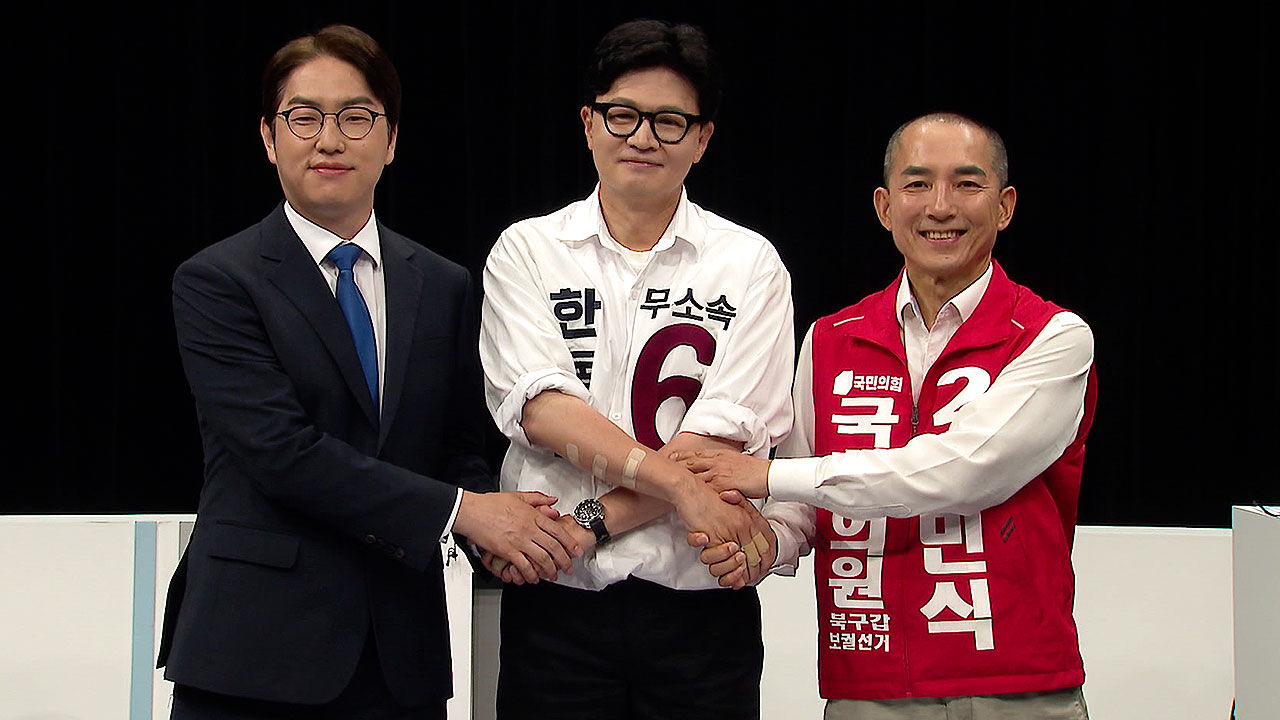
- What happened: Candidates Ha Jung-woo, Park Min-sik, and Han Dong-hoon participated in their first TV debate for the Busan Buk-gap by-election on the 29th. The session was marked by personal attacks rather than policy discussion.
- Background: The by-election holds high symbolic value ahead of the June 3 local elections, and both major camps are aggressively fighting for a win.
- Reactions: The ruling side attempted to highlight its vision but spent much of the time defending against opposition attacks, while the opposition kept the pressure on the government and the ruling party.
- Impact: Excessive negative campaigning risks lowering voter turnout and increasing public fatigue with politics. A shift toward policy-centered discourse is needed.

3. Government pushes for housing supply and market stability
- What happened: The Vice Chairman of the Financial Services Commission announced on the 29th that the government will prioritize increasing housing supply and responding to real estate volatility.
- Background: With public frustration rising over real estate prices, the government is treating this as a top priority before the June 3 local elections.
- Reactions: The administration emphasizes practical solutions through supply normalization. The opposition criticizes the government's track record and calls for more fundamental measures.
- Impact: The success of these policies will directly affect middle-class housing stability and likely influence voter sentiment in the local elections.
Key Legislative & Government Updates
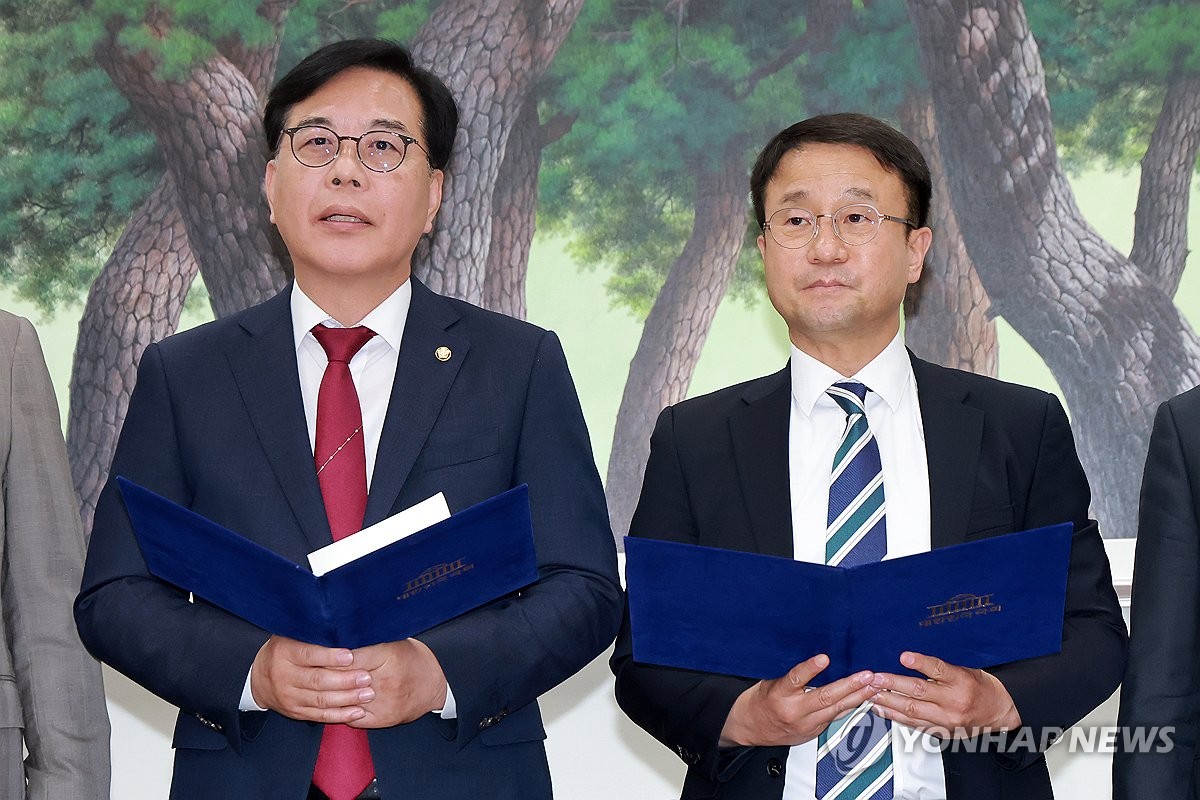
- National Assembly: The first half of the 22nd National Assembly concluded on the 29th. Negotiations for committee chair positions have been pushed to the second half, leaving the timeline for normalization unclear.
- Government: The Financial Services Commission announced a policy focus on increasing housing supply, curbing volatility, and blocking speculative trading.
- Appointments: Personnel changes were made to the Anti-Corruption and Civil Rights Commission on the 29th.
Party Trends
People Power Party (Ruling)
- Stance: Prioritizing legislative normalization and stabilizing the real estate market.
- Dynamics: Attempting to secure a lead in the local elections through a strong lineup in Busan Buk-gap and demanding the National Assembly speaker position.
Democratic Party of Korea (Opposition)
- Stance: Criticizing current real estate policies and demanding stricter management of election procedures following recent concerns.
- Dynamics: Focusing the Busan Buk-gap race on policy issues while maintaining the power balance in legislative negotiations.
Media Analysis
- JoongAng Ilbo (Conservative): Highlighted the deepening gridlock, warning of administrative setbacks and calling for the immediate start of normal negotiations.
- Hankyoreh (Progressive): Discussed the multi-layered changes in Korean politics in 2026 and the need to emphasize democratic values ahead of major political events like local elections.
- Kyeonghyang Shinmun (Progressive): Argued that South Korea should position itself as a "co-producer" of international order, urging strategic responses to the Trump administration’s trade policies.
Upcoming Schedule
- June 3 (Mon): June 3 National Simultaneous Local Elections (Voting for local governors, mayors, and council members).
- Mid-June: Expected start of full-scale negotiations for the second half of the 22nd National Assembly.
- Late June: Hopes for the normalization of the National Assembly following the appointment of new committee chairs.
Final Note
With the first half of the National Assembly closing, the June 3 local elections serve as a critical turning point for the future of Korean politics. Both parties are competing fiercely to use the election results to solidify their political standing.
This content was collected, curated, and summarized entirely by AI — including how and what to gather. It may contain inaccuracies. Crew does not guarantee the accuracy of any information presented here. Always verify facts on your own before acting on them. Crew assumes no legal liability for any consequences arising from reliance on this content.