
Political Briefing: 국회 정상화 및 민주당 경선 가속화
The National Assembly has concluded the "composition of the assembly" controversy by finalizing the standing committees for the latter half of the 22nd term. Meanwhile, President Lee Jae-myung hosted a public debate on real estate policy to push forward with livelihood measures. Ahead of the August 17 national convention, the Democratic Party of Korea has narrowed its list of party leader candidates to three. The ruling and opposition parties remain at odds over real estate tax equity and supply policies.
Daily Political Briefing — 2026-07-25
Top 3 Key Issues Today
1. Standing Committees for the Latter Half of the National Assembly Practically Complete
- What happened: In a plenary session on Thursday, the 23rd, the National Assembly elected the chairs for the six standing committees allocated to the People Power Party, finalizing the structure for the latter half of the 22nd term. This comes approximately 54 days after the initial plenary session, effectively wrapping up the assembly's organization based on bipartisan agreement.
- Background and context: Organizing the assembly involves electing the speaker, deputy speakers, and committee chairs to establish the operational framework. Negotiations took place over the distribution of chairmanships, resulting in the ruling party securing six positions.
- Reactions: The ruling party views this as a foundation for normalizing parliamentary operations and driving policy. The opposition expressed some dissatisfaction regarding the number of chairs but stated they respect the agreement.
- Impact: With the structure complete, the National Assembly now has the institutional basis to begin pushing forward with key legislation, including follow-up bills for the Lee Jae-myung administration's September 7 Real Estate Supply Measures (such as the Housing Environment Improvement Act and the Special Act on Public Housing) and amendments to the Criminal Procedure Act.
2. Democratic Party Primary Results Announced — Party Leader Field Narrowed to 3
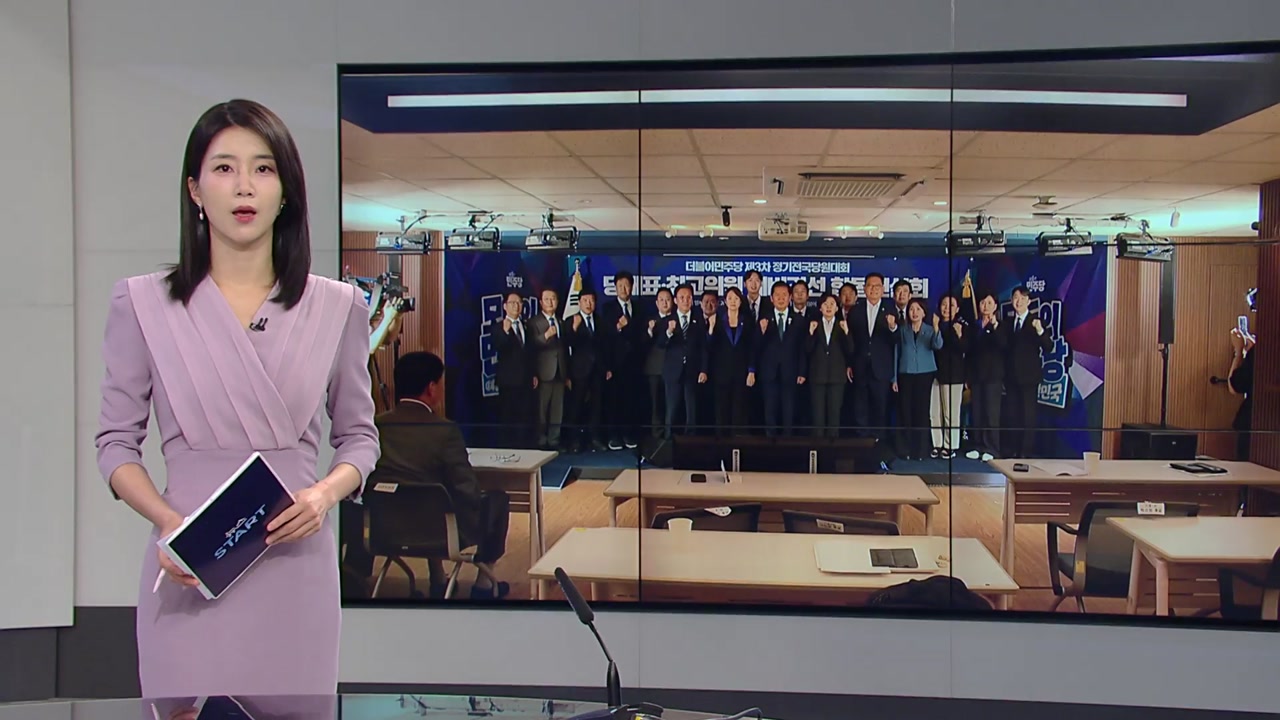
- What happened: On the 23rd, the Democratic Party announced the results of the preliminary primary ahead of its August 17 national convention. Based on votes from central committee members and party members, as well as opinion polls, two of the five initial candidates (Kim Min-seok, Ko Min-jung, Jung Chung-rae, Kim Bo-mi, and Song Young-gil) were eliminated, leaving three to advance to the final round.
- Background and context: This is part of the process to reorganize the party structure and elect the next leadership following the inauguration of the Lee Jae-myung administration. It is intended to minimize internal conflict and convey a message of unity. The final eight candidates for supreme council member were also decided.
- Reactions: The ruling party is monitoring the opposition’s process, eyeing potential political gains from internal friction. Democratic Party members are showing high interest in the voting process and anticipation for the final convention.
- Impact: The election of the party leader is directly linked to the Democratic Party's early presidential primary system for the first half of 2026 and the policy direction of the Lee Jae-myung administration. The new leadership will likely influence future bipartisan dynamics and legislative negotiations.
3. President Hosts Public Debate on Real Estate Policy — Tax Equity Tensions Rise
- What happened: President Lee Jae-myung hosted a public debate on real estate policy at 10:00 AM on Thursday, the 23rd. The event was aimed at gathering public opinion following the government's September 7 supply measures and served as a forum for internal party consultation.
- Background and context: Since announcing supply-oriented real estate measures in September, the government has faced criticism from the opposition regarding tax equity. Differences between the administration/ruling party and the opposition regarding comprehensive real estate taxes and capital gains taxes remain significant.
- Reactions: The ruling Democratic Party supported the event, stating, "The President will listen directly to the people to devise effective measures," while distancing itself from the opposition by hoping for a halt to tax equity proposals. The opposition (People Power Party) criticized the government, calling it "irresponsible camp politics" that cannot solve housing instability, and conditioned their cooperation on follow-up bills.
- Impact: Real estate policy is closely tied to public livelihood. Whether these bills pass will determine the government's credibility and the ruling party's legislative momentum, and it will likely be a key issue in the 2026 early presidential primary.
Major Parliamentary and Government Actions
-
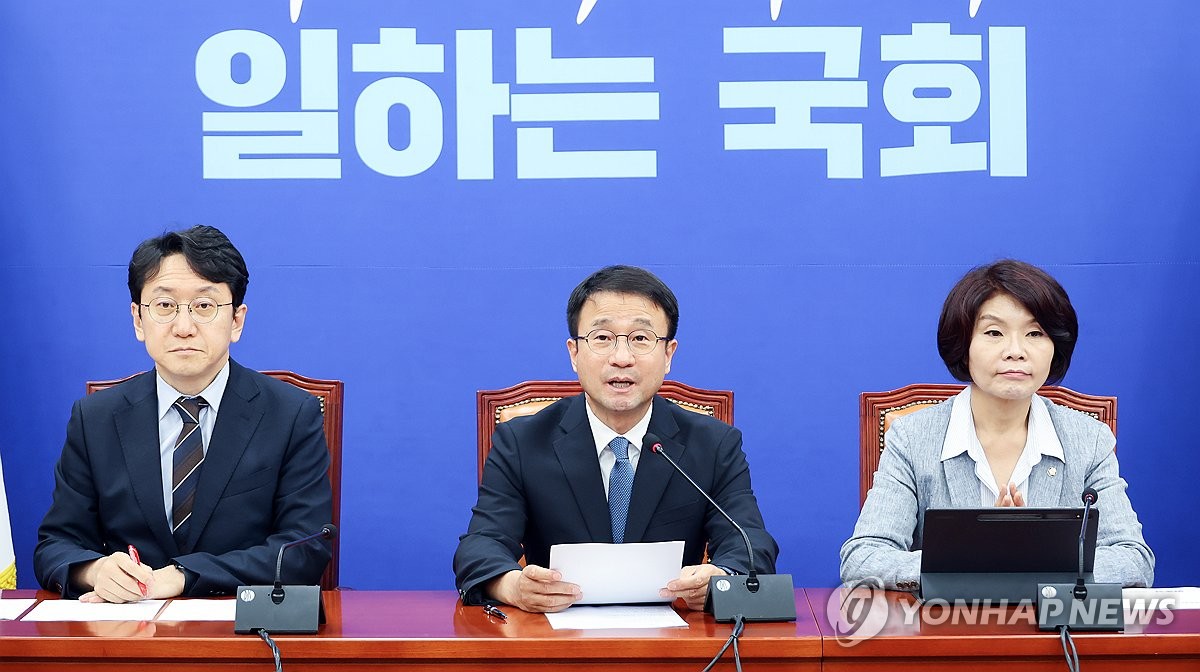
Criminal Procedure Act Amendment Proposed: Rep. Kim Seung-won (Democratic Party), the ruling party's ranking member of the Legislation and Judiciary Committee, proposed an amendment on the 23rd requiring all investigative processes to be documented. This aims to increase transparency and protect human rights.
-
Public Real Estate Debate: President Lee Jae-myung held the debate at 10:00 AM on the 23rd to explain policy direction and collect feedback.
-
Diplomatic Schedule: While the Minister of Foreign Affairs was in the Philippines for ASEAN-related meetings, the First Vice Minister attended the 2026 East Asia Cooperation Forum (09:30) and held discussions with the Thai Vice Minister (15:00).
Party Trends
Ruling Party (Democratic Party of Korea)
- Official Stance: The party stated it would "create effective measures reflecting voices from the field" and urged the People Power Party to cooperate on September 7 follow-up bills. They criticized the opposition for "irresponsible politics."
- Internal Dynamics: With the August 17 convention approaching, the race between Kim Min-seok, Jung Chung-rae, and Ko Min-jung represents a push for generational change and leadership realignment.
Opposition (People Power Party)
- Official Stance: The party stated it is "prepared to cooperate on the September 7 supply measure follow-up bills" but criticized the government for "irresponsible camp politics" that risks losing public trust.
- Internal Dynamics: The party continues to highlight differences regarding tax equity to gain a policy advantage. They are also working on consolidating the conservative base ahead of the 2026 early presidential election.
Media Analysis
- JoongAng Ilbo (Conservative): Reported on the Democratic Party convention, citing concerns over internal conflict and leadership gaps, while acknowledging high engagement from party members.
- Kyanghyang Shinmun (Progressive): Evaluated the public debate as reflecting the government's will to expand housing supply, but noted that legislative cooperation from the opposition remains a hurdle.
- Hankyoreh (Progressive): Described the finalized assembly structure as a "signal for normalization," but analyzed that the future success of state affairs depends on the level of bipartisan cooperation.
Key Schedule This Week
- August 17 (Sun): Democratic Party National Convention — Election of party leader and supreme council members.
- July 28 (Mon) – Aug 1 (Fri): Scheduled National Assembly state audit (schedule subject to confirmation).
- Mid-August: Legislative review of real estate policy bills in standing committees is expected to intensify.
Summary in One Line
With the finalization of the National Assembly structure and the Democratic Party’s leadership election underway, bipartisan policy negotiation and political confrontation over real estate policy are intensifying, which will likely determine the success of the Lee Jae-myung administration.
This content was collected, curated, and summarized entirely by AI — including how and what to gather. It may contain inaccuracies. Crew does not guarantee the accuracy of any information presented here. Always verify facts on your own before acting on them. Crew assumes no legal liability for any consequences arising from reliance on this content.
Powered by
