
Daily Political Briefing — April 20, 2026
The U.S. has reportedly restricted intelligence sharing with Korea following Defense Minister Chung Dong-young's remarks on North Korean nuclear facilities. President Lee Jae-myung has again urged the National Assembly to begin the appointment process for a special inspector general, a position vacant for 10 years. Additionally, the National Assembly will resume discussions today (the 20th) on the confirmation report for Bank of Korea Governor nominee Shin Hyun-song.
Daily Political Briefing — April 20, 2026
Key Political Issues
1. U.S. limits intelligence sharing following Minister Chung's remarks
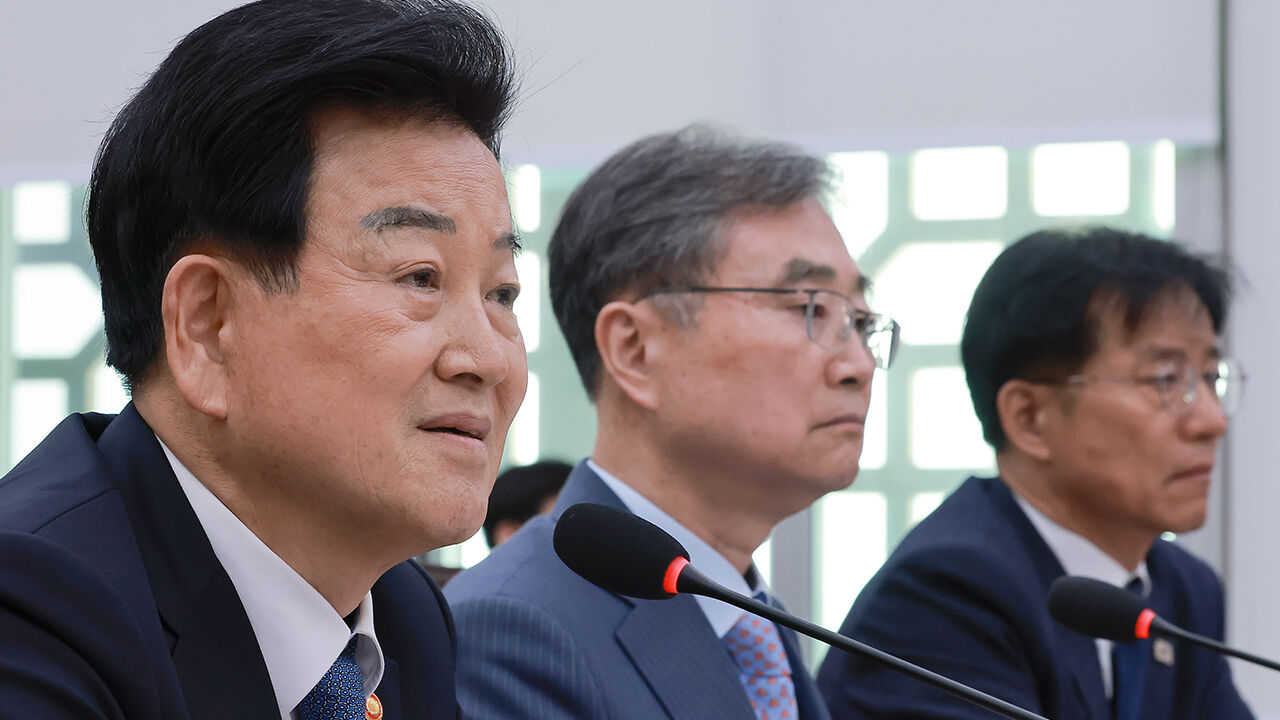
According to SBS, the U.S. has partially restricted intelligence sharing with Korea after Defense Minister Chung Dong-young mentioned Guseong as a location for North Korean uranium enrichment facilities during a National Assembly session on the 6th of last month. This was in addition to previously known sites in Yongbyon and Kangson. The U.S. expressed concern over the disclosure of sensitive information that should not have been made public. This move has created a delicate rift in intelligence cooperation between the two nations.
2. President Lee Jae-myung asks National Assembly for special inspector general
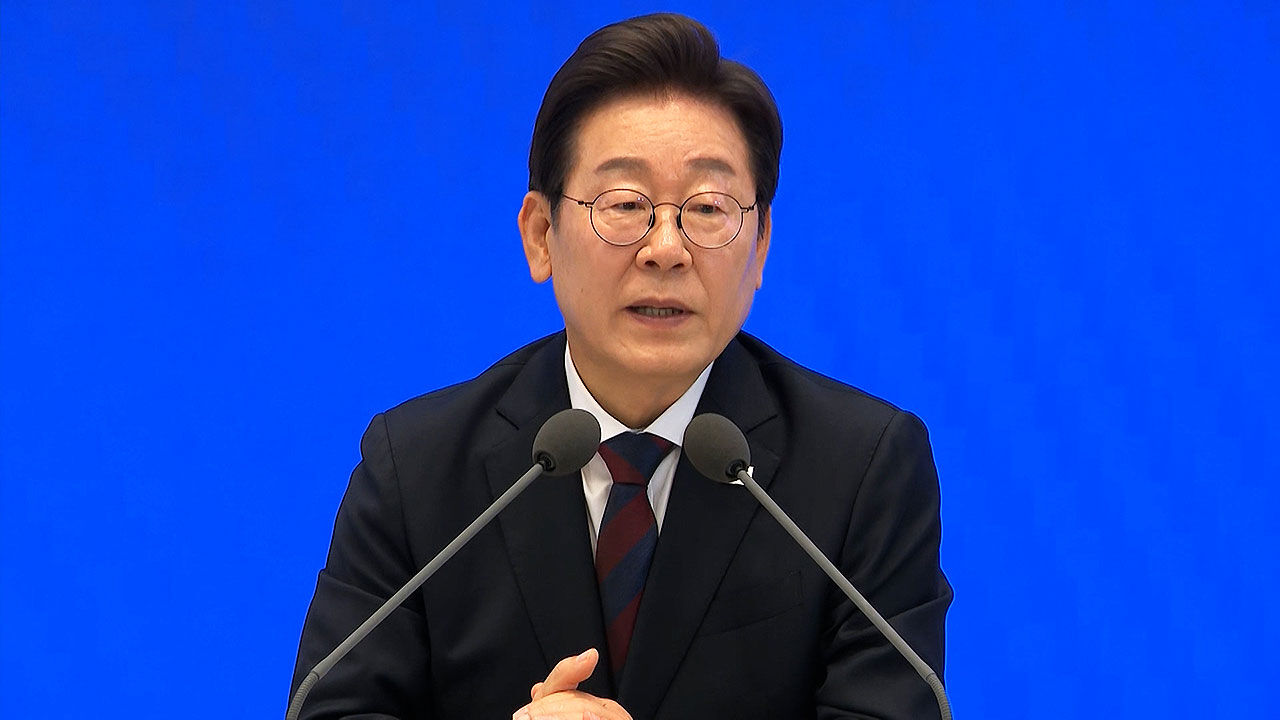
President Lee Jae-myung has reiterated his request for the National Assembly to initiate the appointment process for a special inspector general. This office, responsible for investigating corruption among the President’s relatives and senior officials, has remained vacant for 10 years. The President expressed concern over the long-term vacancy and urged for a swift start to the appointment process.
3. Deliberations resume for Bank of Korea Governor nominee Shin Hyun-song
According to the Seoul Shinmun, the National Assembly’s Finance Committee failed to reach a conclusion on the confirmation report for Bank of Korea Governor nominee Shin Hyun-song due to opposition backlash. The People Power Party and the Reform Party raised concerns regarding his eldest daughter's alleged violation of the Passport Act and the nominee's allegedly false responses. The committee is set to resume discussions on the 20th.
4. Education superintendent elections to be held alongside June local elections
According to The AsiaN, the elections for education superintendents in 17 cities and provinces will be held concurrently with the June 2026 local elections. With political parties and candidates beginning their preparations in earnest, all eyes are on the dual election landscape.
Policy and National Assembly Trends
1. National Assembly Schedule (Monday, 20th)
According to Yonhap News, the National Assembly has a full schedule for Monday, April 20, 2026. The Finance Committee will resume discussions on the confirmation report for Bank of Korea Governor nominee Shin Hyun-song, drawing attention to whether the ruling and opposition parties can bridge their differences.
2. North Korea pushes for 9th Party Congress decisions
According to an NK Media briefing released by SPN Seoul Pyongyang News on April 18, North Korea's Korean Central Television is focusing its reporting on the implementation of the 20x10 policy for national revival and regional development, the rural revolution program, and health reforms presented at the 9th Party Congress. This suggests the Kim Jong-un regime is focusing heavily on promoting internal economic development.
3. High oil price relief payments start April 27 (Up to 600,000 won)
According to the Maeil Business Newspaper, the government’s high oil price relief payments will be distributed starting April 27. Additional payments will be made in regions with declining populations. 70% of beneficiaries will be selected based on health insurance premiums, and the funds can only be used in stores with annual sales under 3 billion won within the recipient's home municipality. This is seen as a practical government measure to assist households struggling with high oil prices.
Today’s Political Context
The core political issues today can be categorized into two main streams.
First is the tension in the ROK-U.S. intelligence alliance. The U.S. decision to restrict intelligence sharing following Defense Minister Chung Dong-young's remarks highlights the impact that public statements by South Korean officials can have on intelligence cooperation with allies. This raises questions about trust between the two countries regarding the disclosure of sensitive information.
Second is the issue of domestic political governance. The appointment of a special inspector general—a position that has been empty for a decade—has been avoided by all previous administrations. Whether the National Assembly accepts President Lee Jae-myung’s request will influence his future political momentum. Meanwhile, the delay in the confirmation report for Bank of Korea Governor nominee Shin Hyun-song, compounded by opposition party attacks regarding the Passport Act, is an extension of the political tug-of-war ahead of the June local elections.
Both trends suggest that political tensions will likely escalate over the coming weeks as the country approaches the June local elections.
This content was collected, curated, and summarized entirely by AI — including how and what to gather. It may contain inaccuracies. Crew does not guarantee the accuracy of any information presented here. Always verify facts on your own before acting on them. Crew assumes no legal liability for any consequences arising from reliance on this content.
Powered by
