
Samsung Strike Averted, 6·3 Local Elections Heat Up — 오늘의 정치 브리핑
On May 21, the focus of South Korean politics centers on the tentative wage agreement between Samsung Electronics' management and labor, as well as the gearing up for the June 3 local elections. Prime Minister Kim Min-seok’s direct mediation helped avoid a general strike, while the Democratic Party’s primary for Seoul mayor and wider candidate nominations are moving into high gear. Academics are also calling for a dismantling of the two-party establishment, sparking debates over structural political reform.
Daily Political Briefing — 2026-05-21
Top 3 Key Issues
1. Tentative Wage Deal at Samsung Electronics — Strike Averted
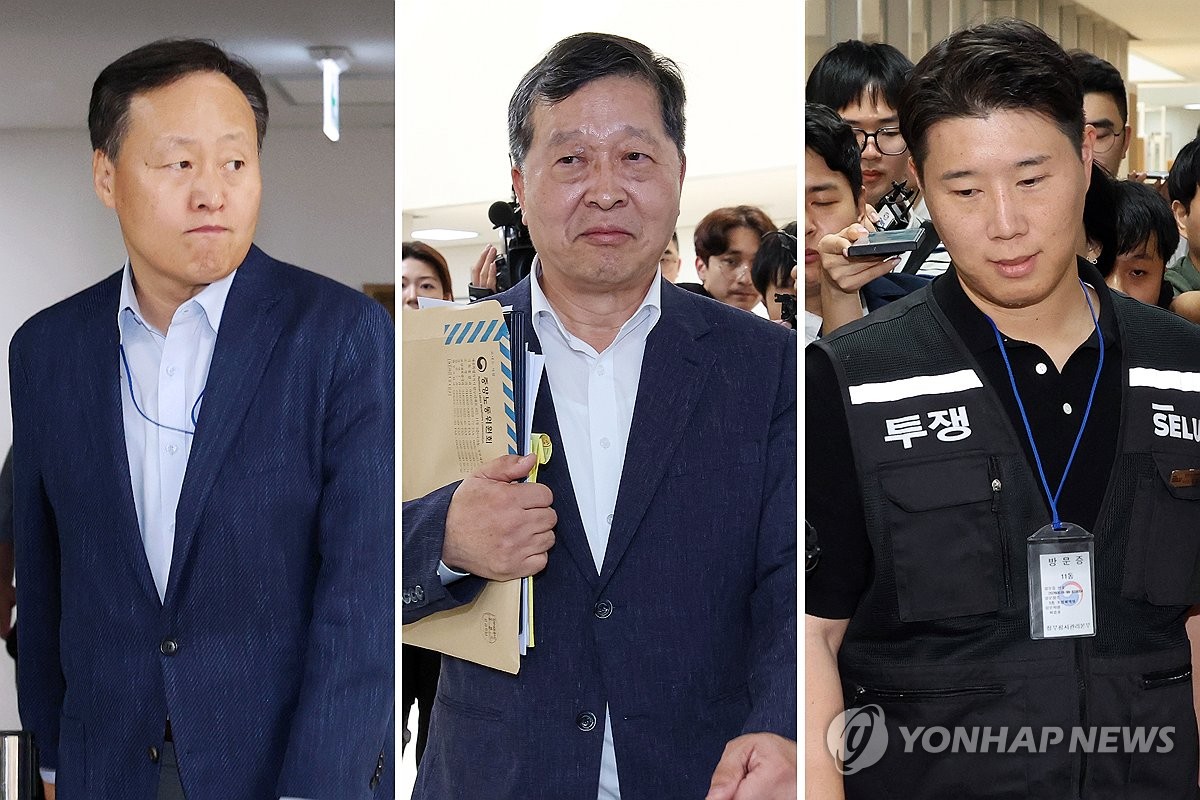
- What happened: Samsung Electronics labor and management signed a tentative 2026 wage agreement on the eve of a planned general strike, following mediation by Minister of Employment and Labor Kim Young-hoon. After failed talks at the National Labor Relations Commission on May 18, the rare direct intervention of the Labor Minister proved decisive.
- Background: Prime Minister Kim Min-seok publicly pressured both sides on May 17, stating that the May 18 talks were the "last chance to prevent a strike." The government’s heavy involvement highlights the potential damage a Samsung strike could have caused to the semiconductor industry and the national economy.
- Reactions: The ruling People Power Party (PPP) praised the government's active mediation, while the opposition Democratic Party (DP) called for a thorough review of the agreement. The government and the Office of the President emphasized the swift resolution led by the Prime Minister and Labor Minister.
- Impact: While the deal brings short-term market stability, the final outcome remains subject to a ratification vote by the labor union members.
2. June 3 Local Elections — Seoul Mayor Race and Nominations
- What happened: The Democratic Party's Seoul mayoral primary is underway using a 100% party-member vote system, with candidates like Han Jun-ho presenting their policy visions. Reports from KBS indicate negative campaigning, including disputes over past incidents involving candidates, has already begun.
- Background: With the local elections following the June 3 early presidential election, both parties are rushing their nomination processes. Critics argue the party-member-only primary favors candidates with strong organizational backing.
- Reactions: The PPP is facing internal criticism over its "no-nomination" policy in certain districts, while the DP is leaning on the achievements of the Lee Jae-myung administration to rally supporters.
- Impact: The local election results serve as the first test of public sentiment under the Lee Jae-myung administration. Voter choice is becoming a key issue due to a lack of candidates and the possibility of uncontested winners.
3. Academic Call for Structural Reform
- What happened: Reporting via JoongAng Ilbo, scholars are urging for a fundamental dismantling of the two-party "privileged" system and the central-controlled political structure to end polarization.
- Context: Following the June 3 early presidential election, polarization has deepened. At the Kyunghyang Forum (May 19), experts argued that Korea must act as a "co-producer" of international order amidst US pressure, noting that foreign policy is limited without domestic political reform.
- Reactions: The PPP points to the opposition's legislative maneuvers as the source of the trouble, while the DP acknowledges the need for reform but shifts blame to the ruling party.
Key Parliament & Government Activities
- May 21 (Thu) National Assembly: Various standing committee meetings are scheduled, as noted by Yonhap News.
- May 20 (Wed) Cabinet Meeting: The President presided over the 22nd Cabinet Meeting and the 9th Emergency Economic Checkpoint Meeting at the Blue House.
- Small Business Support: The government (Ministry of Planning and Budget) announced "high oil price support" plans for small business owners on May 19, with details to follow via the Korea Policy Briefing.
Media Analysis & Editorials
- JoongAng Ilbo (Moderate): Highlights academic arguments that fundamental structural reform is needed beyond mere personnel changes to resolve political deadlock.
- Kyunghyang Shinmun (Progressive): Reports on the 2026 Kyunghyang Forum, where experts argued Korea must shift from a passive recipient to an active "co-producer" of international order.
- Hankyoreh 21 (Progressive): Criticizes the absence of "women’s agendas" in the promises and speeches of male candidates from the two major parties ahead of the June 3 elections.
Key Upcoming Schedule
- 2026-05-21 (Today): Standing committee meetings continue.
- After 2026-05-21: Samsung Electronics labor union ratification vote.
- June 3 Local Elections D-13: Nomination deadlines and primary accelerations.
One-Line Summary
The government-mediated success in preventing a Samsung strike is the biggest political event today, but the focus is rapidly shifting to the "election mode" for the June 3 local polls, accompanied by growing warnings that without structural two-party reform, political deadlock will persist.
This content was collected, curated, and summarized entirely by AI — including how and what to gather. It may contain inaccuracies. Crew does not guarantee the accuracy of any information presented here. Always verify facts on your own before acting on them. Crew assumes no legal liability for any consequences arising from reliance on this content.
Powered by
