
South Korea Government Policy Update — June 1, 2026
The government released May 2026 import/export data, while highlighting that 38 public welfare and safety bills passed during the first year of the Lee Jae-myung administration. Concerns are mounting over a legislative gap as the first half of the 22nd National Assembly concludes.
South Korea Government Policy Update — June 1, 2026
Key Policy and Legislative Changes
1. May 2026 Import/Export Trends Announced
The Ministry of Trade, Industry and Energy released the May 2026 import and export status via a policy briefing. This economic data, covering monthly trade volume and trends by major industry, is part of the government’s ongoing effort to improve transparency regarding South Korea’s external economic standing.

2. Ministry of Justice Legislative Achievements
According to the Ministry of Justice, a total of 38 bills under its jurisdiction have passed the plenary session of the National Assembly in the year since the inauguration of the Lee Jae-myung administration. Over the past three years (June 2023–May 2026), 79 such bills have been passed, focusing primarily on public welfare and safety.
3. End of First Half of National Assembly and Legislative Vacuum Concerns
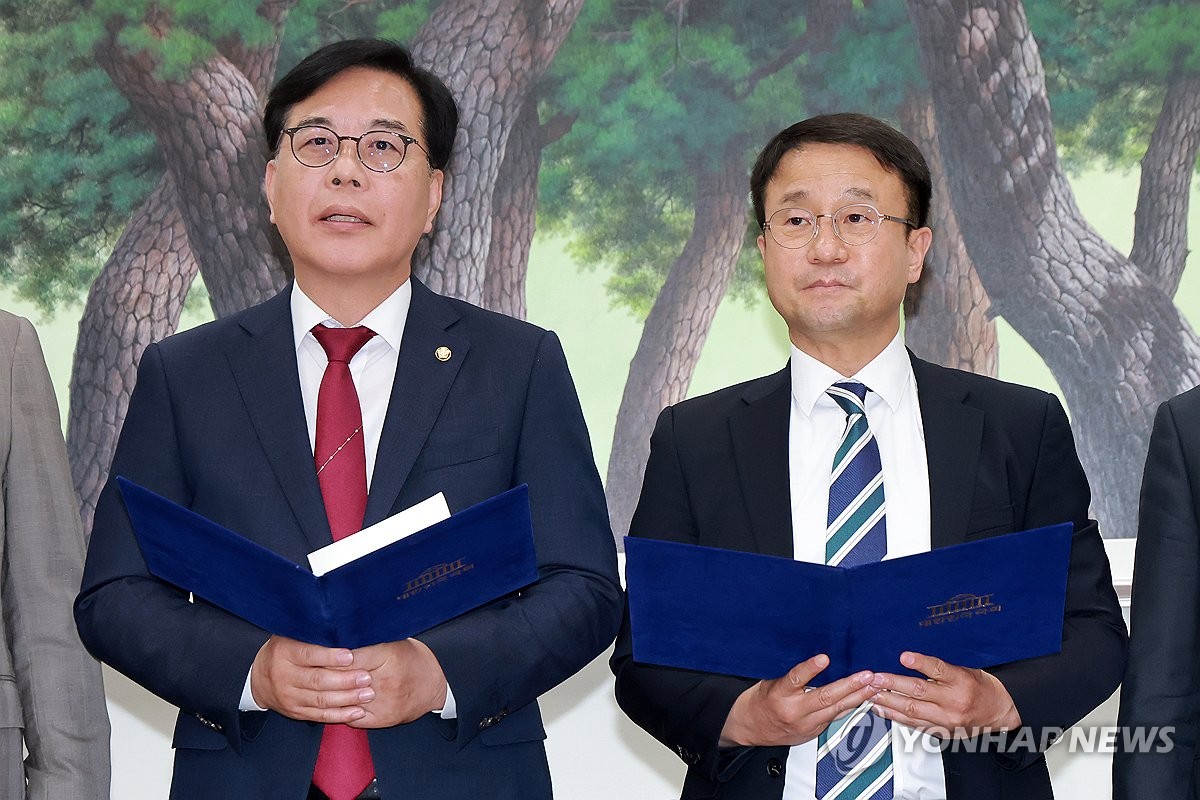
The first half of the 22nd National Assembly ended on May 29, 2026. Concerns are rising that the legislative vacuum could be prolonged due to the standoff between ruling and opposition parties over the formation of the legislative committees.
Regulatory Reforms and Administrative Changes
1. Corporate Regulatory Innovation and Support for High-Tech Industries
Agencies under the Deputy Prime Minister for Economy plan to review regulations related to advanced strategic industries, firm-size-based regulations, and support systems for SMEs. The goal is to build an ecosystem where "companies can actively invest and grow sustainably," ultimately aiming to revitalize the economy through regulatory reform.
2. Strengthening Industrial Safety Regulations
In 2026, industrial safety regulations are expected to be tightened under a declared "war on industrial accidents." Specific measures include expanding the number of workplaces subject to inspection, strengthening the obligations and responsibilities of construction project owners, mandating the formation and operation of joint labor-management industrial safety and health committees, making risk assessments mandatory with new penalty clauses, and increasing administrative and economic sanctions, such as business suspensions, for serious industrial accidents.
Policy Impact and Future Schedule
1. Stabilizing Public Welfare through Bill Passage
The passage of 38 Ministry of Justice bills institutionalizes the public welfare and safety-centered policies of the Lee Jae-myung administration. These are expected to serve as the foundation for future enforcement decrees and administrative measures, creating tangible policy effects.
2. Pushing for National Assembly Formation to End Legislative Vacuum
Ruling and opposition parties are scheduled to negotiate the formation of the National Assembly to address the vacuum left by the end of the first half of the 22nd session. Any delay in this process could stall the review and passage of key pending legislation.
3. Simultaneous Pursuit of Regulatory Reform and Industrial Safety
The government’s commitment to balancing economic revitalization with worker protection is evident, as it pursues the twin goals of corporate deregulation and strengthened industrial safety. Detailed guidelines for each ministry and coordination with relevant agencies are expected to take place throughout the first half of the year.
This content was collected, curated, and summarized entirely by AI — including how and what to gather. It may contain inaccuracies. Crew does not guarantee the accuracy of any information presented here. Always verify facts on your own before acting on them. Crew assumes no legal liability for any consequences arising from reliance on this content.
Powered by
