
Republic of Korea Policy Updates — June 2, 2026
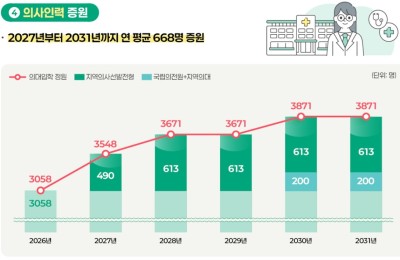
As the Lee Jae-myung administration marks its first anniversary, healthcare policy and labor safety are taking center stage. The Ministry of Health and Welfare plans to add 3,342 medical school spots and select 2,942 regional doctors over the next five years.
Republic of Korea Policy Updates — June 2, 2026
Key Policy and Legislative Changes
1. Expansion of Medical School Quotas and Selection of Regional Doctors
The Ministry of Health and Welfare has decided to increase medical school admissions by a total of 3,342 students over the next five years (2026–2030) to strengthen the foundations of regional, essential, and public healthcare. Additionally, they plan to select 2,942 regional doctors over the same five-year period starting next year. This policy aims to address imbalances in medical supply and improve healthcare access for local communities.
2. May 2026 Import and Export Trends
The government policy briefing released an official press statement regarding import and export trends for May 2026. This data will serve as a foundational resource for monitoring economic trends and establishing trade policy.

Regulatory Improvements and Administrative Changes
1. Enhancements to the Employment Tax Credit System
To encourage companies to maintain staffing levels, the Ministry of Economy and Finance has revamped the integrated employment tax credit system. The previous method—which involved recouping tax credits when employment numbers dropped—has been replaced with a system that applies higher credit rates in the second and third years for companies that maintain their workforce. Adjustments were also made to ensure credits apply only to growth exceeding the minimum headcount requirements (5 employees for medium-sized enterprises, 10 for large corporations), and the additional credit for employees returning from parental leave has been extended by one year until December 31, 2026.
2. Innovation in Regulations for Advanced Strategic Industries
To build an ecosystem where companies can invest actively and grow sustainably, the Ministry of Economy and Finance is reviewing regulations related to advanced strategic industries, size-based corporate regulations, and support systems for SMEs. The goal is to establish a competitive industrial foundation.
Policy Impact and Future Schedule
1. Expectations for Stabilized Medical Workforce Supply
The increase of 3,342 medical school admissions and the selection of 2,942 regional doctors are expected to gradually resolve domestic medical personnel shortages over the next five years. Key anticipated benefits include filling gaps in regional healthcare and strengthening essential medical services.
2. Stronger Incentives for Corporate Job Retention
The improved employment tax credit system remains in effect until December 31, 2026. By strengthening tax benefits for companies that retain staff, the government expects this to contribute to greater job stability.
3. Regulatory Innovation Implementation Schedule
The Ministry of Economy and Finance expects that these regulatory reforms will boost the competitiveness of advanced strategic industries, helping to revitalize corporate investment and secure future drivers for economic growth.
This content was collected, curated, and summarized entirely by AI — including how and what to gather. It may contain inaccuracies. Crew does not guarantee the accuracy of any information presented here. Always verify facts on your own before acting on them. Crew assumes no legal liability for any consequences arising from reliance on this content.
Powered by
