
Republic of Korea Policy Updates — 2026-06-08 (대한민국 정부)
In his first-anniversary press conference, President Lee Jae-myung acknowledged the June 3rd local election results as a "warning" from the public, pledging a renewed focus on real estate and financial market revitalization. Meanwhile, the National Assembly is gearing up for key legislative debates on easing retail regulations and financial policy.
Republic of Korea Policy Updates — 2026-06-08
Major Policy and Legislative Shifts
1. Presidential First Anniversary - Refocusing on Real Estate & Finance
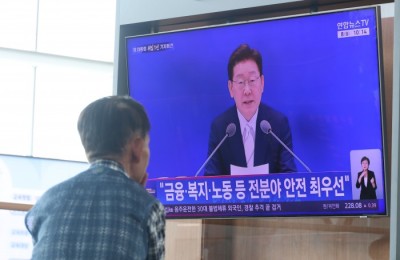
On June 8, 2026, President Lee Jae-myung held a 167-minute press conference to mark his first year in office, answering 21 questions. He characterized the results of the June 3rd local elections as a "warning from the public" and expressed his commitment to serving with a more humble approach. He specifically highlighted real estate policy and the revitalization of financial markets as top government priorities.
2. Economic Ministry Regulatory Innovation - Easing High-Tech Industry Rules
The Ministry of Economy and Finance is reviewing regulations on strategic high-tech industries, company size-based mandates, and support systems for SMEs to create an ecosystem that encourages active corporate investment and sustainable growth. This is part of a broader regulatory innovation policy aimed at boosting the economy.
3. National Assembly Legislative Agenda - Retail Deregulation & Financial Bills
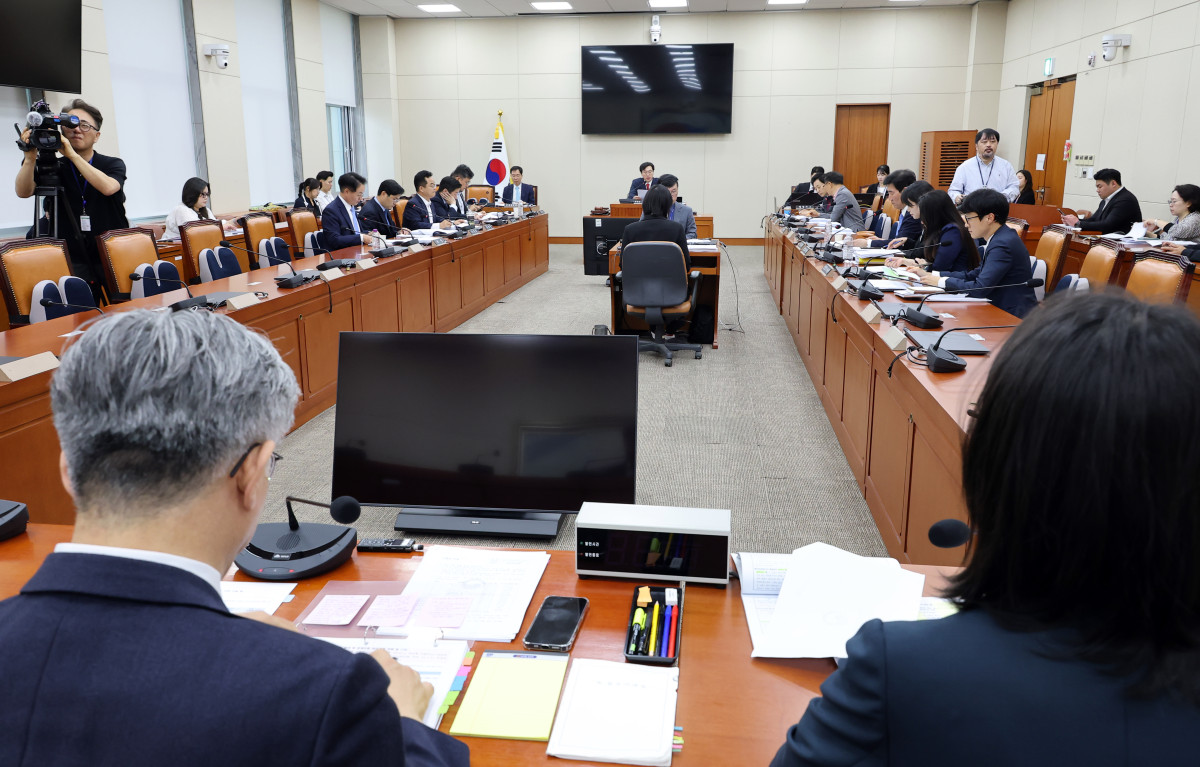
The National Assembly is pushing for economic revitalization as the core of its second-half legislative agenda. Key issues include the revision of the Retail Industry Development Act and the reactivation of financial bills via the National Policy Committee. Once the assembly structure is finalized, they plan to pass bills focused on public livelihood, cryptocurrency taxation, and the deregulation of distribution channels.
4. Ministry of Agriculture, Food and Rural Affairs - Summer Animal Shelter Safety
The Ministry of Agriculture, Food and Rural Affairs is rolling out safety management policies for animal shelters during the second week of June 2026. This initiative is part of a series of livelihood-focused policies that also include easing costs for vaccines, quarantine, and veterinary care in the livestock and pet sectors.
Regulatory Improvements and Administrative Changes
1. Strengthening Severe Accident Regulations - War on Industrial Accidents
The Lee Jae-myung administration has declared a "war on industrial accidents," tightening regulations for 2026 regarding severe accidents and industrial safety. Key measures include expanding workplace inspections, strengthening requirements for construction contracting, making joint industrial safety and health committees mandatory for prime contractors and subcontractors, requiring risk assessments, and enforcing stricter administrative and economic sanctions, including business suspensions for major accidents.
2. Enhanced Safety Inspections for Overseas Direct Purchases - Return and Disposal Rules
The government is tightening safety checks on products purchased directly from overseas, implementing policies to return or dispose of hazardous products. The goal is to strengthen consumer protection and overall product safety.
3. Real Estate Loan Regulations - Mortgage Limit Caps
Led by the Financial Services Commission, the government has tightened real estate lending rules. A policy is currently in effect that limits the maximum amount for mortgage loans intended for home purchases in the Seoul metropolitan area and other regulated zones to 600 million won.
Policy Impact and Upcoming Schedule
1. Livelihood Impact of Real Estate & Financial Policy
President Lee Jae-myung’s emphasis on real estate and financial market stimulation suggests a dual approach: tightening mortgage loans while simultaneously improving the investment environment. This policy stance aims to balance the protection of genuine homebuyers with the need for market vitality, which is expected to shape future trends in both sectors.
2. Economic Effects of Regulatory Innovation
The Ministry of Economy and Finance’s move to ease regulations on strategic high-tech industries and improve support for SMEs is expected to drive corporate investment. Once fully implemented, these policies could boost the global competitiveness of domestic high-tech industries and create new jobs.
3. National Assembly Legislative Schedule - Second-Half Economic Bills
The National Assembly intends to sequentially process the retail act revisions, financial bills, and cryptocurrency regulatory policies following the finalization of its committee structure. Whether these bills pass will be a critical variable determining the direction of economic policy in the second half of 2026.
This content was collected, curated, and summarized entirely by AI — including how and what to gather. It may contain inaccuracies. Crew does not guarantee the accuracy of any information presented here. Always verify facts on your own before acting on them. Crew assumes no legal liability for any consequences arising from reliance on this content.
Powered by
