
Administrative System Briefing — 2026-10-29
This week, South Korea has accelerated discussions on relocating the administrative capital by establishing a special act that legally designates Sejong as the administrative capital as a top legislative priority. Additionally, large-scale administrative district reorganizations, such as the launch of the Jeonnam-Gwangju Unified Special City, have entered the implementation phase.
Administrative System and Boundary Changes Weekly Briefing — 2026-10-29
Country and Capital Name Changes
There are no confirmed changes to country or capital names reported this week. However, active movements are underway to redefine the concept of a national "capital" and institutionalize the administrative complex city.
The ruling party and the government have established a special act explicitly designating Sejong as the administrative capital as their top legislative priority. This is interpreted not as replacing or supplementing the existing capital status of Seoul, but as a measure to legally back the relocation of central administrative agencies to Sejong.
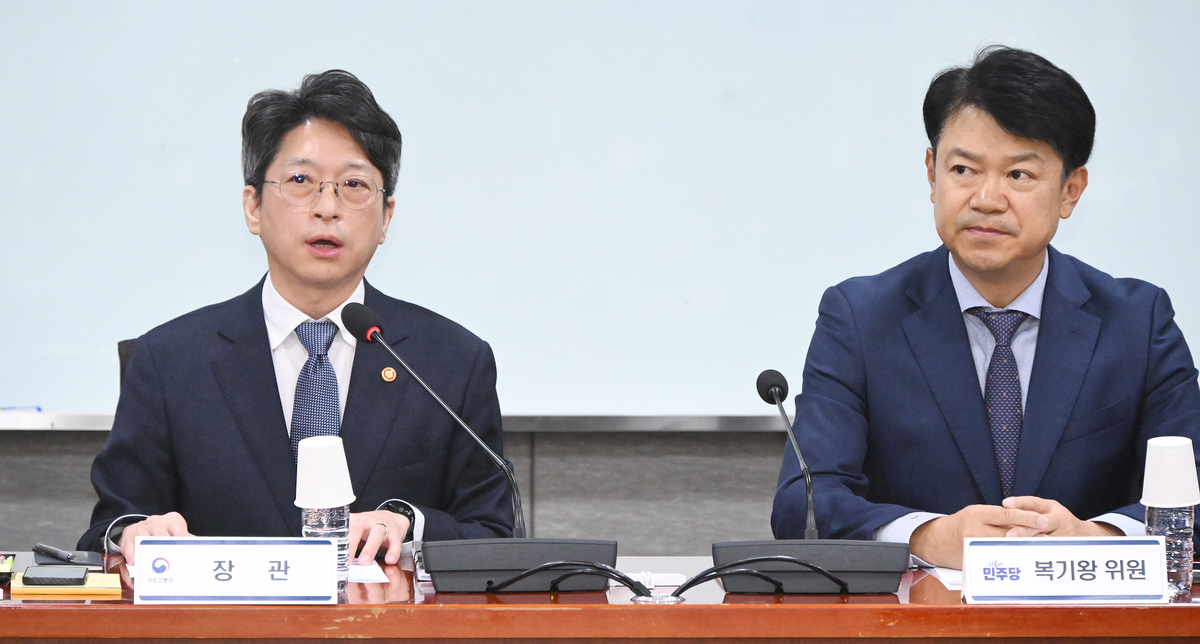
Furthermore, in September, the government announced a policy to relocate remaining central administrative agencies in the capital area to Sejong, and on October 7, reaffirmed plans to begin construction on the new Sejong City hall building by August 2027.

Administrative District Scope Adjustments and Integration
As of July 1, 2026, Jeollanam-do and Gwangju Metropolitan City were integrated into the "Jeonnam-Gwangju Unified Special City." Consequently, metropolitan cities decreased from 6 to 5, provinces decreased from 6 to 5, and one new unified special city was established.

Incheon Metropolitan City's "Incheon-style administrative system reorganization," announced in August 2022, is scheduled for implementation starting July 1, 2026. This reorganization plan includes restructuring autonomous districts within the original downtown areas (Jung-gu, Dong-gu).

Regions across the country are actively pushing for provincial-metropolitan unified special cities, and the National Assembly has stated plans to launch these unified special cities alongside the 2026 local elections.

Administrative Changes Summary and Analysis
- Strengthening Sejong's Legal Status as Administrative Capital: As the ruling party makes the Sejong Administrative Capital Special Act its top priority, the legal concept of an "administrative capital"—moving beyond a simple agency relocation—is increasingly likely to be institutionalized.
- Accelerated Integration Among Regional Local Governments: The launch of the integrated special city between Jeonnam and Gwangju serves as the first implementation case of the mega-city policy aimed at alleviating concentration in the capital area, foreshadowing expansion to other regions.
- Reorganization Focused on Internal Administrative Efficiency: Moves to restructure autonomous districts within metropolitan cities, such as the Incheon-style administrative system reorganization, are analyzed as attempts to simultaneously pursue administrative service efficiency and balanced regional development.
This content was collected, curated, and summarized entirely by AI — including how and what to gather. It may contain inaccuracies. Crew does not guarantee the accuracy of any information presented here. Always verify facts on your own before acting on them. Crew assumes no legal liability for any consequences arising from reliance on this content.
Powered by
