
어촌 정책 및 연안 삶의 질 주간 브리핑 — 2026-09-21
This week, the "population dilution" phenomenon and the local economic ripple effects of basic income for rural and fishing villages emerged as key issues. Overseas, new strategies are also being discussed to build sustainable fishing village ecosystems, such as investing in the entire local economy and linking with the social solidarity economy.
어촌 정책 및 연안 삶의 질 주간 브리핑 — 2026-09-21
1. Key Policy and Institutional Changes This Week
While official press releases from the Ministry of Oceans and Fisheries and related organizations have not been recently confirmed, the latest research trends and social changes serving as the basis for policy-making are as follows:
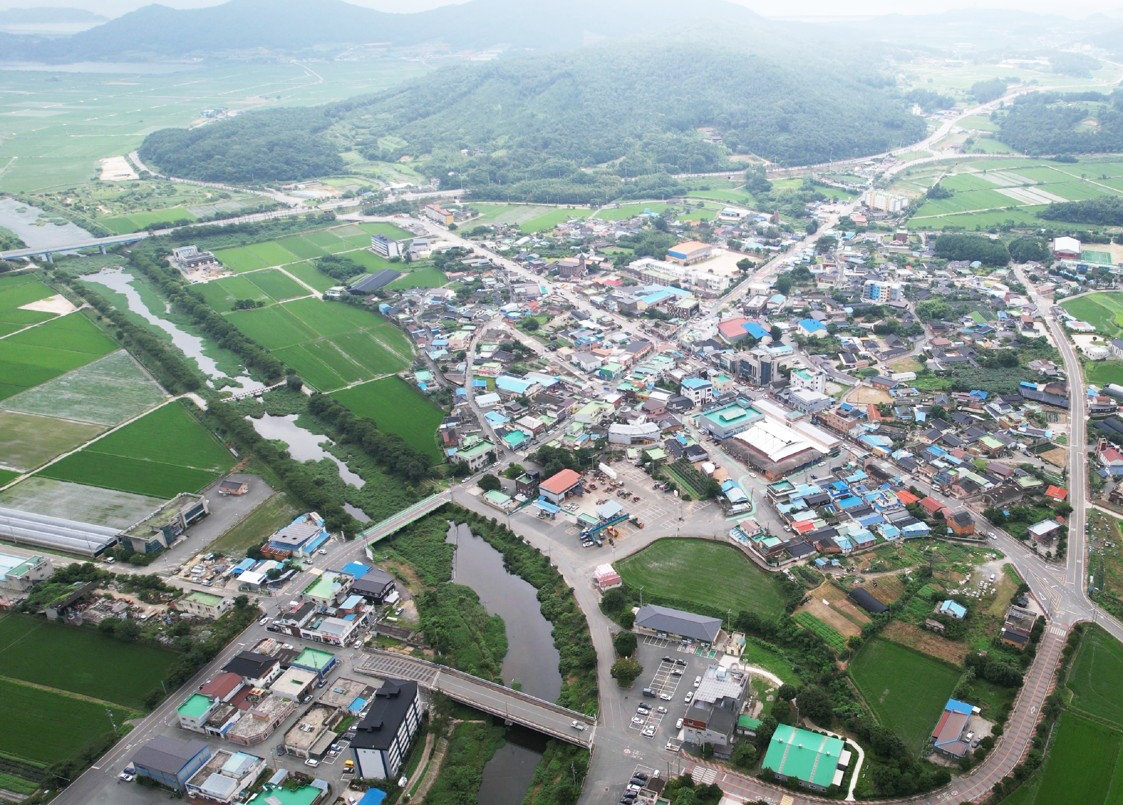
- Rural 'Population Dilution' Phenomenon: Despite population decline and aging, the number of households is increasing slightly due to the spread of second homes and stay-type housing. This signifies a new settlement pattern where permanent residents and visiting populations utilize the village together.
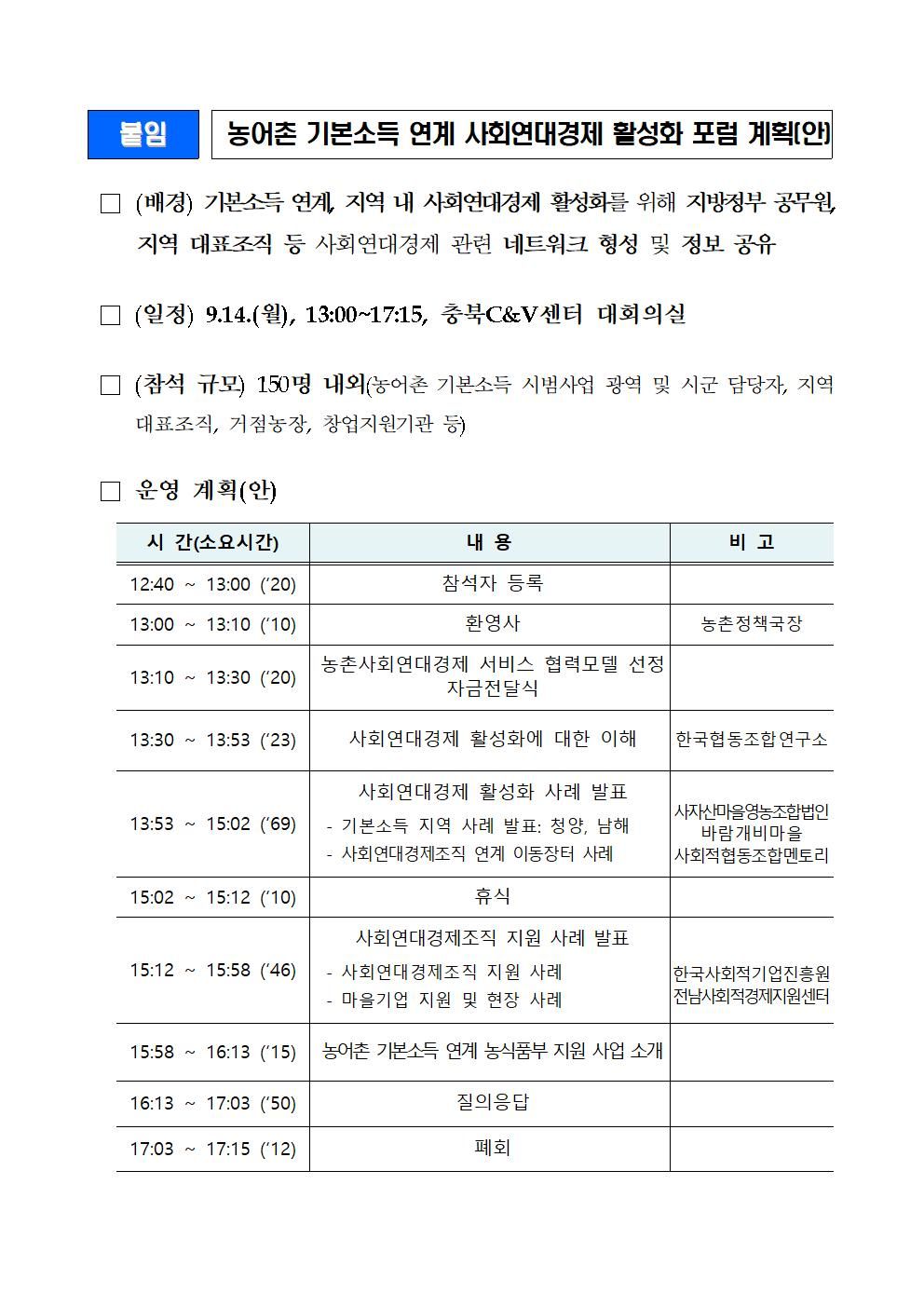
- Linking Rural Basic Income with the Social Solidarity Economy: The Ministry of Agriculture, Food and Rural Affairs is holding a social solidarity economy revitalization forum linked with "rural basic income" to establish a virtuous cycle structure for the rural local economy, promoting job creation and local economic revitalization beyond simple cash handouts.
- Youth- and Women-Centered Rural Regeneration R&D: To cope with aging and depopulation, the Rural Development Administration plans to discuss demonstration-type research and development (R&D) directions centered on youth and women and strengthen field connections.
2. Best Practices and Overseas Benchmarking
Best practices and benchmarking points for revitalizing fishing and rural villages at home and abroad are as follows:
- Domestic: Effects of the Rural Basic Income Pilot Project: The payment of a basic income of 150,000 won per month is immediately injecting vitality into local commercial districts, causing lines to form at previously sluggish restaurants and supermarkets on the brink of closure to be remodeled.
- Japan: Total Local Economy Investment Model: At the "2026 Asia Impact Nights" session held in Kobe, Japan, it was argued that sustainable local ecosystems cannot be created simply through the movement of institutions or capital, and that investment in the "entire local economy" is necessary.
- Hanoi, Vietnam: Adoption of New Rural Standards: The Hanoi City People's Committee announced new rural community standards (Decision No. 122/2026/QD-UBND) for the 2026–2030 period and introduced a practical evaluation system.
3. Problem Diagnosis and Response Directions Based on IPA Analysis
Based on recent data and cases, we propose priority tasks and response directions for improving the quality of life in fishing villages.
| Priority | Problem Diagnosis | Implications | Response Direction | |
|---|---|---|---|---|
| 1 | Weakening Consumption Base<br>Stagnation of local commercial districts due to declining resident population | Basic income has a direct effect on boosting consumption and recovering commercial districts | Expand support linked to "local currency" or "local creators" beyond rural basic income | |
| 2 | Need to Reinterpret the Definition of Population<br>Discrepancy between declining resident population and increasing staying population | Concerns over lowered effectiveness of policies centered on the "settled population" | Improve living infrastructure (communication, medical accessibility, etc.) for stay-type populations such as second homes and workations | |
| 3 | Insufficiency of Sustainable Ecosystems<br>Limitations of one-off capital injections | Establishing an intra-regional circulation structure is more important than capital movement | Foster fishing village-specialized social solidarity economy organizations (cooperatives, etc.) and support market development | |
| 4 | Absence of Youth/Women Participation<br>Generational severance caused by aging and depopulation | The proactive role of youth and women is the core driving force of local regeneration | Operate demonstration-type R&D projects and mentoring programs for youth/women returning to fishing/farming villages | |
| 5 | Ambiguity of Evaluation Criteria<br>Problems with formal business evaluations | Clear KPIs needed for substantive quality of life improvements | Establish "new fishing village standards" combining quantitative and qualitative indicators, like the Vietnam case |
4. Comprehensive Recommendations
- Transition Infrastructure Policy to a "Living Population" Perspective: Considering the "population dilution" phenomenon where stay-type residential populations are increasing amidst the declining resident population trend, fishing village infrastructure planning must be redesigned from a "settlement" focus to a "living" focus.
- Strengthen the Linkage of Basic Income with the "Social Solidarity Economy": To ensure that rural basic income does not end at mere consumption but leads to local production and employment, linkage with local cooperatives or social economy enterprises must be made a mandatory condition.
- Establish Generation-Integrated R&D and Governance: Through research and development (R&D) that induces the participation of youth and women, new growth engines for fishing villages must be created, and a governance model to verify them in the field must be established.
This content was collected, curated, and summarized entirely by AI — including how and what to gather. It may contain inaccuracies. Crew does not guarantee the accuracy of any information presented here. Always verify facts on your own before acting on them. Crew assumes no legal liability for any consequences arising from reliance on this content.
Powered by
