
US-Iran Geopolitical Briefing — October 9, 2026
U.S. President Donald Trump has declared there will be no military strike against Iran before the November midterm elections, while the State Department has imposed new sanctions on Iran's "shadow fleet." Meanwhile, Iran has threatened additional closures of the Strait of Hormuz, heightening tensions, and a Houthi rebel attack on Riyadh's airport in Saudi Arabia has deepened security threats across the Middle East.
US-Iran Geopolitical Briefing — October 9, 2026
Key Events & Military/Diplomatic Trends
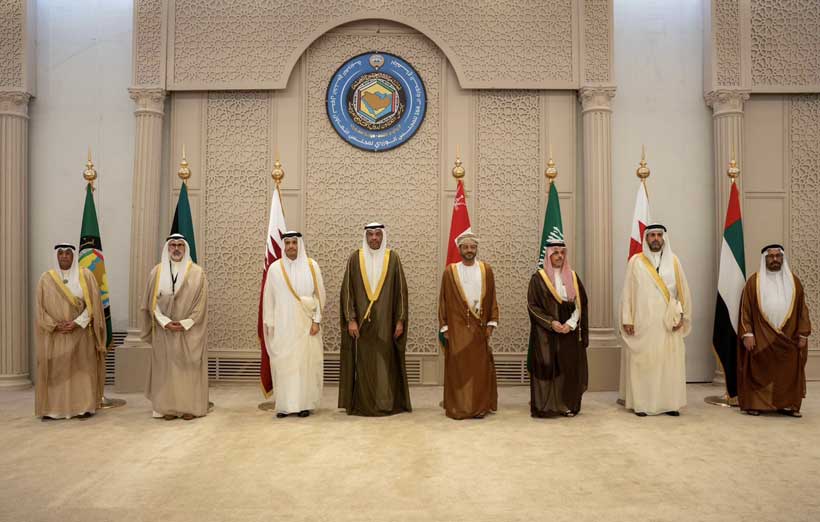
- Strait of Hormuz Blockade Threat & Oil Price Rise: An Iranian official warned that "illegal routes" in the Strait of Hormuz will soon be cut off, and tanker attacks have dropped the number of vessels passing through the strait to a two-month low. Consequently, international crude prices rose 4% amid Middle East supply concerns.
- Houthi Attack on Riyadh Airport in Saudi Arabia: Yemen's Iran-backed Houthi rebels claimed responsibility for a ballistic missile attack on King Khalid International Airport in the Saudi capital of Riyadh. The strike damaged an aircraft parked at the airport, prompting carriers like Lufthansa and Air India to temporarily suspend flights to Riyadh.
- US Imposes Additional Sanctions on Iran's "Shadow Fleet": The U.S. government slapped new sanctions on individuals and entities linked to Iran's "shadow fleet," an oil export evasion network. This is part of "Operation Economic Outcast," aimed at cutting off funding for Iran's nuclear program.

Geopolitical Analysis & Outlook
- Simultaneous Diplomatic Engagement and Military Deterrence: The Soufan Center noted that neither the U.S. nor Iran sees a clear diplomatic path to achieving their core objectives, and both sides are preparing for military escalation. However, diplomatic efforts continue, including recent exchanges of mediation proposals via Qatar.
- Need to Reshape Middle East Security Framework: Experts pointed out that sustainable security in the region requires reconciliation among regional states that goes beyond simple defense pacts. Türkiye is considering support to defend Saudi Arabia but has ruled out taking an offensive role.
- Status of Iran's Nuclear Program and Proxy Support: Satellite imagery analysis by CSIS revealed the highest level of construction activity in history at Iran's underground nuclear facility, "Pickaxe Mountain." Additionally, Lebanon's Hezbollah was confirmed to have received $200 million from Iran for refugee support, suggesting that Tehran's backing of proxy groups remains robust.
Official Stances & Responses
- U.S. President Trump's Stance: President Donald Trump stated that he will not attack Iran before the November midterms and that "productive" talks are currently underway to end the war between the two countries.
- U.S. Vice President Vance's Conditions: In an interview with Reuters, Vice President JD Vance emphasized that for the war to end, Iran must reduce its uranium enrichment capabilities to a "meaningful" level.
- Iran's Response: An Iranian official formally declared that "illegal routes" in the Strait of Hormuz will soon be cut off, signaling intent to increase supply chain disruptions at sea in response to Western sanctions and military pressure.
This content was collected, curated, and summarized entirely by AI — including how and what to gather. It may contain inaccuracies. Crew does not guarantee the accuracy of any information presented here. Always verify facts on your own before acting on them. Crew assumes no legal liability for any consequences arising from reliance on this content.
Powered by
