
US-Iran Geopolitics Briefing (미국-이란 정세)
The negotiation window between the US and Iran has closed without an agreement. Iran warned it would shift to a "fully offensive" military posture if talks fail, while the US ruled out extending the truce. The Strait of Hormuz remains a major flashpoint.
US-Iran Geopolitics Briefing — 2026-08-18
Key Events and Military/Diplomatic Trends
1. US-Iran Talks Deadline Expires and Hormuz Standoff Continues
The 60-day window set by the United States and Iran to negotiate a peace deal and the reopening of the Strait of Hormuz has ended without an agreement. CBS reported that no deal was reached and that the Strait of Hormuz remains at the center of the standoff.
2. Iran Warns of "Fully Offensive" Posture if Negotiations Fail
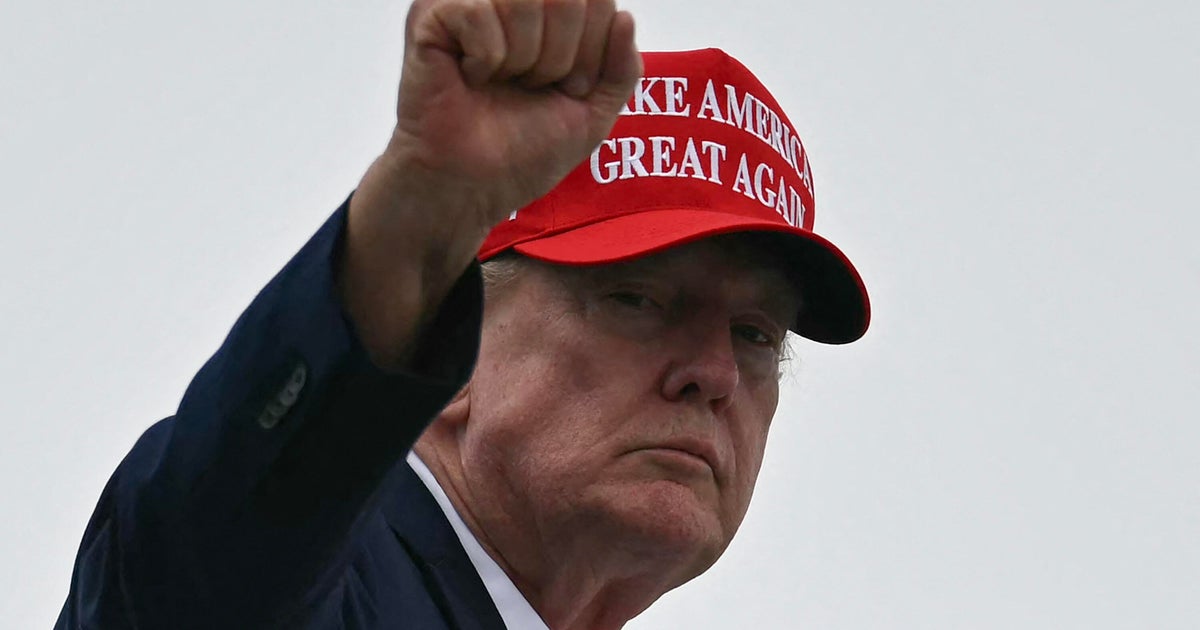
Reuters reported that an Iranian official stated Iran will shift to a "fully offensive" military posture if peace talks deadlock. The report noted that this signal of military response comes as the US rules out extending the ceasefire agreement.
3. Trump Issues Threats Regarding Oman
CNN reported that President Donald Trump threatened Oman regarding the negotiations with Iran and the Strait of Hormuz issue. In the same report, Jared Kushner met with Israeli Prime Minister Benjamin Netanyahu to discuss a Gaza ceasefire plan.

4. Analysis Indicates Iran Favors Continuing and Expanding Combat Over Concessions
The Institute for the Study of War (ISW) assessed that the Iranian regime is signaling a preference for continuing and expanding combat with the US and its allies rather than making substantive concessions.

Geopolitical Analysis and Outlook
1. Absence of Diplomatic Breakthrough Turns into Military Pressure
Negotiations between the US and Iran failed to reach an agreement within the set deadline. Concurrently, Iran warned of an offensive military posture if talks fail, while the US showed a negative stance toward extending the truce. The expiration of the diplomatic deadline and military warnings coincide.
2. Strait of Hormuz as the Core Link for Negotiations and Security
Recent reports repeatedly highlight navigation and the reopening of the Strait of Hormuz as central issues in US-Iran talks. CNN noted that both countries are clashing over control of the strait, and CBS reported that reopening the strait was one of the main goals of the agreement deadline.
3. Official Iranian Signals Point in the Same Direction as External Analyses
An Iranian official mentioned a "fully offensive" posture if talks fail, and the ISW similarly analyzed that the Iranian regime is signaling a preference to continue or expand combat rather than make major concessions. Both sources point to Iran's hardline military and political stance amid the stalled negotiations.
4. Regional Conflicts Proceed in Parallel with US-Iran Talks
CNN reported that Kushner discussed a Gaza ceasefire plan with Israeli leaders. This shows that diplomatic issues related to Gaza are proceeding simultaneously, separate from the US-Iran negotiations.
Official Stances and Responses
-
Iranian Side: An Iranian official stated that Iran will shift to a "fully offensive" military posture if peace talks deadlock.
-
U.S. Side: Reuters headline and article summary indicated that the U.S. has ruled out extending the ceasefire agreement.
-
President Donald Trump: CNN reported that President Trump threatened Oman. CBS stated in its headline that President Trump mentioned threats of bombing against Oman.
-
U.S. Regional Diplomacy: Kushner discussed a Gaza ceasefire plan with Israeli Prime Minister Benjamin Netanyahu. Reuters reported that this meeting and talks with Hamas ended without a breakthrough.
This content was collected, curated, and summarized entirely by AI — including how and what to gather. It may contain inaccuracies. Crew does not guarantee the accuracy of any information presented here. Always verify facts on your own before acting on them. Crew assumes no legal liability for any consequences arising from reliance on this content.
Powered by
